4 Signs of Ford EcoBoost Oil Dilution You Can’t Ignore
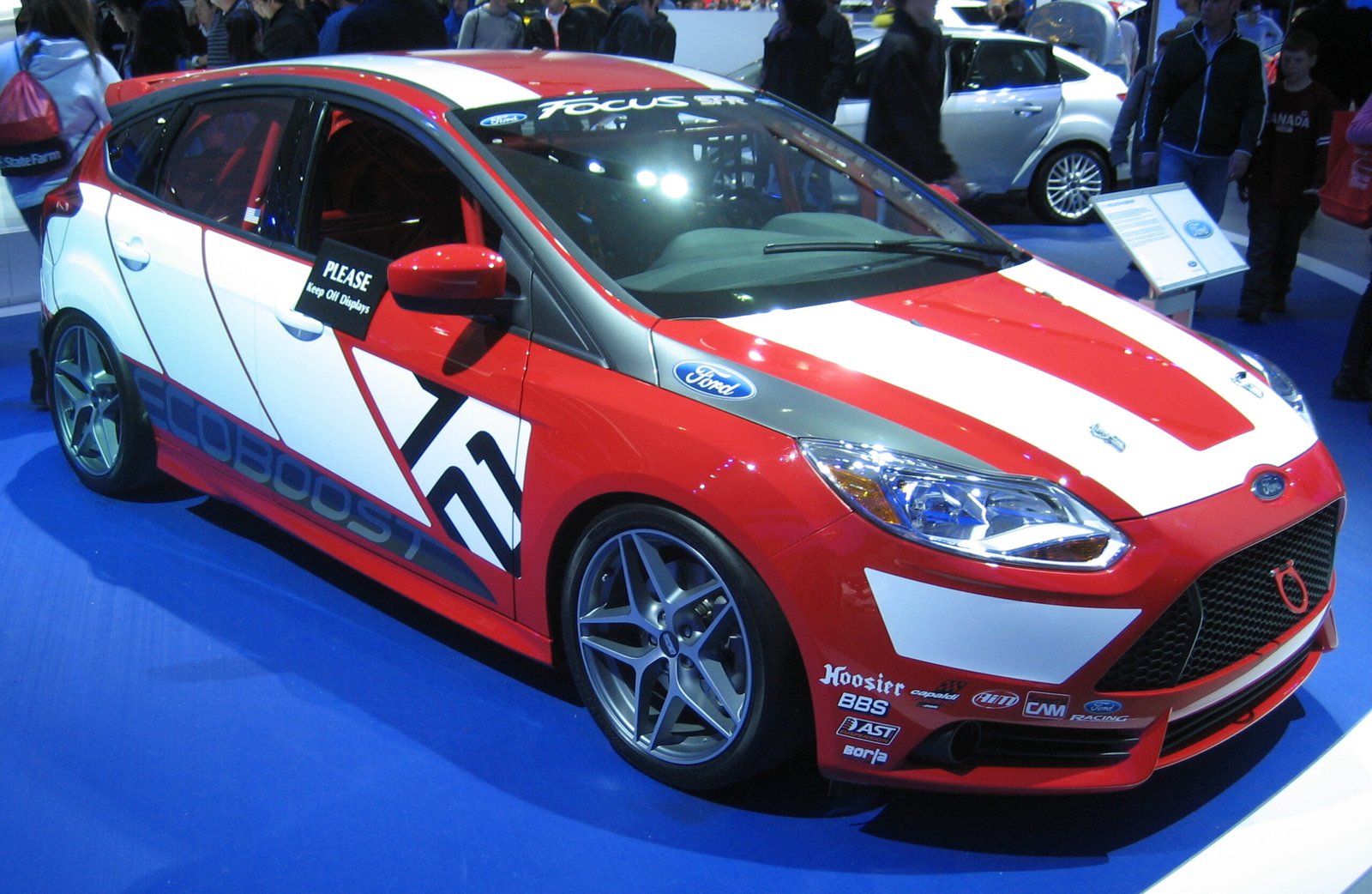
Smelling petrol when you check the oil in your Ford Fiesta, Focus, or Puma? That’s a classic sign of Ford EcoBoost oil dilution that could spell disaster for your engine.
Spotting Ford EcoBoost Oil Dilution Before It’s Too Late
Ford EcoBoost oil dilution is a common yet dangerous issue affecting UK owners of Fiesta, Focus, and Puma models with 1.0-litre engines, where unburnt fuel mixes with the engine oil.
This contamination reduces oil viscosity, leading to poor lubrication and accelerated wear, particularly during short trips and cold starts typical of urban driving.
Recognising the four critical signs early can prevent costly repairs—here’s what to watch for.
1. Strong Petrol Smell from the Oil Filler Cap
The most straightforward sign of Ford EcoBoost oil dilution is a strong petrol smell emanating from the oil filler cap or dipstick. This occurs because unburnt fuel from the direct-injection system washes past the piston rings into the crankcase, mixing with the engine oil.
To check, park your car on level ground, let the engine cool slightly, then remove the oil filler cap and give it a sniff. If it reeks of fresh petrol rather than the usual oily scent, this is a red flag.
This symptom is particularly common in 1.0-litre EcoBoost engines found in Fiesta, Focus, and Puma models, especially if you do lots of short journeys where the engine doesn’t fully warm up.
- Pop the bonnet and locate the oil filler cap.
- Remove it carefully and inhale cautiously—petrol odour is unmistakable.
- Wipe the cap and check for wetness or residue indicating fuel presence.
Always check when the engine is cool to avoid burns. If you smell petrol, do not continue driving—seek professional advice immediately.
2. Rising Oil Levels on the Dipstick
Another telltale sign of Ford EcoBoost oil dilution is oil levels creeping up on the dipstick, even if you haven’t topped up recently. Petrol mixing with the oil increases the overall volume in the sump, pushing the level towards or beyond the maximum mark.
This can happen gradually, so regular checks are essential. Overfilled oil can cause excessive pressure, leading to leaks or foaming, which worsens lubrication issues.
Affected models like the Ford Fiesta and Puma EcoBoost often show this after periods of cold starts and stop-start traffic.
- Ensure engine is off and cool.
- Pull dipstick, wipe clean, reinsert fully, then withdraw to read level.
- Normal range is between min and max marks—watch for rises over time.
Levels above max can damage seals and cause hydraulic lock—stop driving and drain excess if possible, then get diagnosed.
3. Engine Misfires and Rough Idling
Ford EcoBoost oil dilution can manifest as engine misfires, rough idling, or hesitation during acceleration. Diluted oil contaminates spark plugs and affects combustion efficiency, leading to uneven running.
You might notice the engine shaking at idle, a loss of power, or the check engine light illuminating with codes like P0300 (random misfire) or fuel trim errors.
These performance issues are a direct result of poor lubrication allowing fuel to interfere with ignition in the EcoBoost’s high-pressure direct injection system.
- Rough idle or vibrations when stationary.
- Stuttering or jerking under load.
- Dashboard warning lights for misfires or emissions.
Use an OBD scanner to read codes—misfire-related ones often tie back to oil dilution in EcoBoost engines.
4. Milky or Foamy Oil Appearance
Inspecting the dipstick might reveal milky, frothy, or foamy oil—a clear visual cue of Ford EcoBoost oil dilution. The fuel mixes with oil creating an emulsion, similar to a poorly made latte, losing its dark, viscous look.
This differs from milky oil caused by coolant leaks, which has a sweeter smell; fuel dilution smells petrolly and reduces lubricity dramatically.
Regular visual checks during oil level monitoring can catch this early in Fiesta, Focus, or Puma EcoBoost engines.
- Oil appears pale, whipped, or bubbly.
- Texture feels thinner or slimy.
- Accompanied by petrol scent.
Foamy oil means immediate lubrication failure risk—do not drive until resolved.
Causes of Ford EcoBoost Oil Dilution
Ford EcoBoost oil dilution stems primarily from the direct fuel injection design, where high-pressure fuel sprays directly into cylinders. During short trips or cold starts, fuel doesn’t fully vaporise and washes past piston rings into the oil.
Urban driving in the UK—think school runs or commutes—prevents the engine reaching optimal temperature, exacerbating blow-by. Mild hybrids like Puma add regenerative braking cycles that cool the engine further.
1.0-litre EcoBoost units in Fiesta, Focus, and Puma are notorious for this due to tight tolerances and efficiency-focused tuning.
- Short trips under 20 minutes.
- Frequent cold starts.
- Direct injection without pre-vaporisation.
- Hybrid regen braking in some models.
EcoBoost’s efficiency tech inadvertently promotes dilution in stop-start conditions common in UK cities.
Risks of Ignoring Ford EcoBoost Oil Dilution
Ignoring Ford EcoBoost oil dilution invites severe engine damage. Thin oil fails to protect bearings, cams, and pistons, causing scoring, overheating, and turbocharger failure from starved lubrication.
Misfires lead to catalytic converter damage, failed MOT emissions, and potential seizure on motorways— a safety hazard. Repair bills can escalate from oil changes to full engine rebuilds costing thousands.
Early detection averts these risks, preserving your vehicle’s reliability and value.
- Accelerated wear on bearings and pistons.
- Turbo destruction from poor oil film.
- Engine seizure and sudden breakdowns.
- High emissions and MOT failure.
Continued driving risks total engine failure, stranding you and endangering others—act now.
Diagnosing Ford EcoBoost Oil Dilution
Start diagnosis of Ford EcoBoost oil dilution with home checks: sniff test, dipstick level and appearance. For confirmation, professionals use fuel-in-oil analysis kits measuring petrol percentage—over 5-7% is problematic.
OBD scanning reveals misfire codes or rich fuel trims. Avoid DIY oil flushes as they can spread contaminants; specialists like Apexx Engines offer precise lab tests and UK-wide pickup.
Quick turnaround diagnostics prevent further damage.
- Home: smell, level, visual.
- Pro: fuel content lab test.
- Scan for DTCs like P030x, P0172.
Fuel content >6% confirms dilution needing intervention.
Solutions for Ford EcoBoost Oil Dilution
Simple oil changes provide temporary relief for mild Ford EcoBoost oil dilution but don’t address washed components. Thorough flushes and reconditioning restore full performance by honing bores, replacing bearings, and cleaning turbo pathways.
Apexx Engines specialises in EcoBoost reconditioning for Fiesta, Focus, Puma—disassembling, machining, and reassembling to OEM specs. This extends engine life cost-effectively versus replacement, with UK-wide collection and rapid turnaround.
Factors like contamination severity affect process time and scope.
- Multiple oil flushes with specialist solvents.
- Engine reconditioning: strip, inspect, rebuild.
- Preventative: synthetic oils, extended warm-ups.
Restores like-new performance at fraction of new engine cost.
Protect Your Ford EcoBoost Engine from Oil Dilution
Key points
- Ford EcoBoost oil dilution presents via petrol smell, rising oil levels, misfires, and milky oil—check regularly if you drive a Fiesta, Focus, or Puma.
- Short trips and cold starts are main culprits; ignoring leads to lubrication failure, turbo damage, and engine seizure.
- Perform basic checks but rely on professional diagnostics and reconditioning from specialists like Apexx Engines to restore reliability.
- Early action saves costs and ensures safe driving—contact experts immediately if symptoms appear.
- Preventative measures include longer drives to warm up the engine and regular servicing.
Frequently asked questions
Is it safe to keep driving if I suspect Ford EcoBoost oil dilution?
No, it is not safe to continue driving if you notice signs like a petrol smell from the oil, rising oil levels, misfires, or foamy oil. Diluted oil loses its lubricating properties, which can lead to rapid engine wear, turbo failure, or even seizure, posing a serious risk on UK roads. Arrange professional diagnostics immediately to avoid breakdowns or accidents.
What causes Ford EcoBoost oil dilution in models like Fiesta and Focus?
Ford EcoBoost oil dilution is primarily caused by the direct fuel injection system, where unburnt fuel washes past the piston rings into the oil, especially during short trips and cold starts common in UK urban driving. This is exacerbated in 1.0-litre engines in Fiesta, Focus, and Puma, as the engine doesn’t reach full operating temperature, preventing proper fuel burn-off.
How can I check for oil dilution at home?
You can perform a simple home check by sniffing the oil filler cap for a strong petrol smell, monitoring dipstick levels for unexplained rises, looking for milky or foamy oil, and noting any misfires or rough idling. While these indicate potential issues, they are not definitive—professional lab testing for fuel content in the oil is recommended for confirmation.
Is engine reconditioning cheaper than replacement for Ford EcoBoost issues?
Engine reconditioning is often more cost-effective than full replacement, depending on the level of damage, parts required, and labour involved. For Ford EcoBoost engines affected by oil dilution, reconditioning restores components like bearings and bores to like-new condition at a fraction of the cost of a new unit, but a specialist assessment is needed to determine the best option.
How long does it take to recondition a Ford EcoBoost engine?
The time to recondition a Ford EcoBoost engine varies based on the extent of dilution damage, availability of parts, and workshop workload, typically ranging from a few days to two weeks. Specialists like Apexx Engines offer UK-wide collection and aim for quick turnarounds, keeping you informed throughout the process.
Suspect Ford EcoBoost Oil Dilution?
Don’t risk engine failure—get a professional diagnosis and tailored quote from Apexx Engines today. Our UK-wide service specialises in EcoBoost reconditioning to save your Fiesta, Focus, or Puma.
This article is for general information only and is not a substitute for a professional mechanical inspection or diagnosis. Always consult a qualified technician and obtain a proper assessment before making repair decisions.
Recent Posts