5 Signs Your Vauxhall Insignia 2.0 CDTI Turbo Is Failing (And How to Fix It)
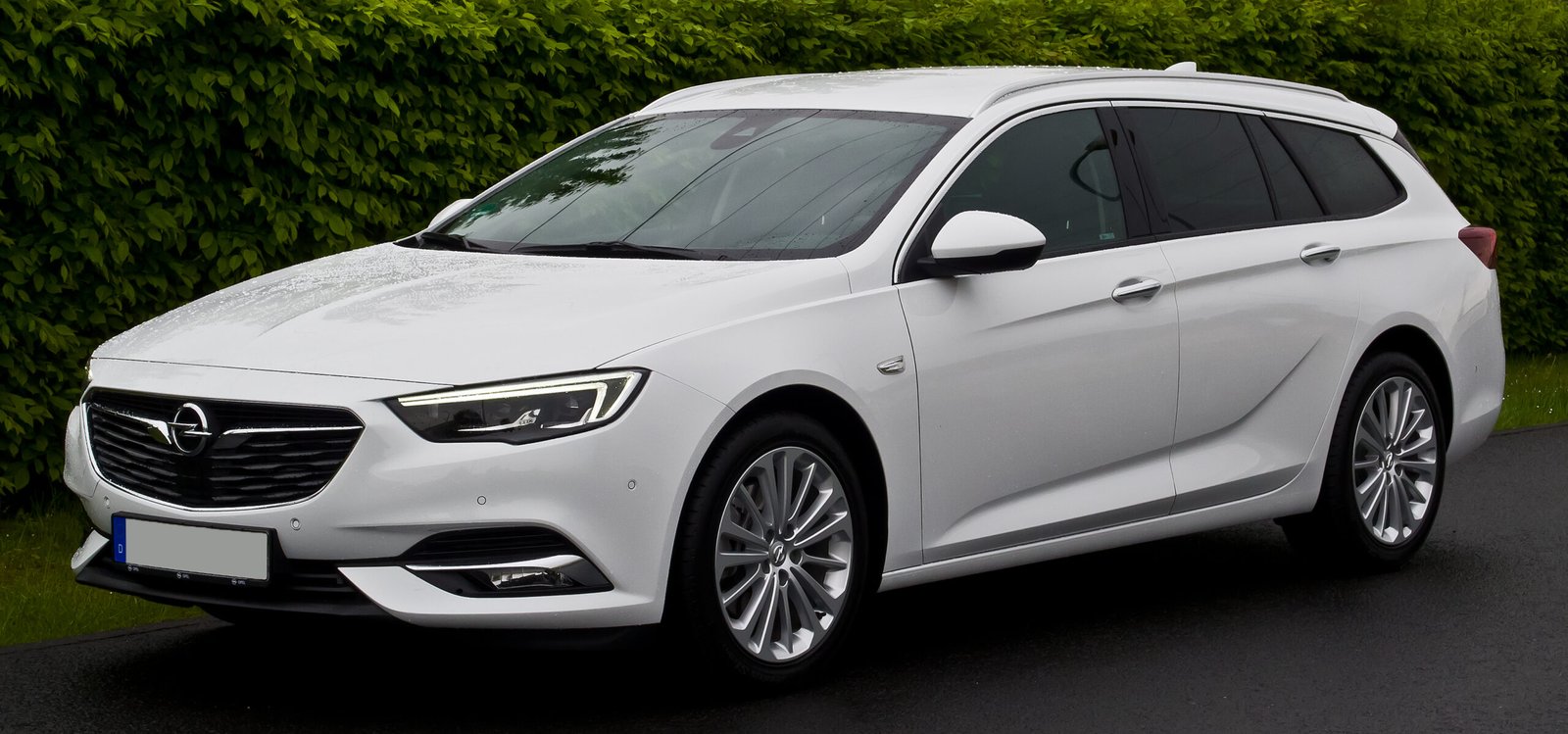
5 Signs Your Vauxhall Insignia 2.0 CDTI Turbo Is Failing (And How to Fix It)
Is a piercing whistle or sudden power drop from your Vauxhall Insignia 2.0 CDTI signalling vauxhall insignia 2.0 cdti turbo problems that could leave you stranded?
Introduction to Vauxhall Insignia 2.0 CDTI Turbo Problems
Vauxhall Insignia 2.0 CDTI owners frequently encounter vauxhall insignia 2.0 cdti turbo problems like unusual noises, power loss, and limp mode, which can escalate into major engine damage if not addressed promptly.
These issues are particularly common in UK diesel models due to high mileage and variable driving conditions, affecting turbo reliability and performance.
In this comprehensive guide, we outline the top 5 signs of failure, their causes, diagnostic tips, and proven fixes, including professional reconditioning to get you back on the road safely.
Sign #1: Whistling or Siren-Like Noise from the Turbo
One of the earliest and most noticeable signs of vauxhall insignia 2.0 cdti turbo problems is a high-pitched whistling or siren-like noise emanating from the engine bay, particularly during acceleration or when the turbo is spooling up under load. This distinctive sound is often described by owners as similar to a police siren or a tea kettle whistle, and it tends to get louder as engine revs increase.
This noise typically arises from worn turbocharger bearings or damage to the compressor wheel. In the Vauxhall Insignia 2.0 CDTI, the variable geometry turbocharger (VGT) relies on precise components to generate boost pressure efficiently. When bearings wear due to inadequate lubrication or contamination, they produce this telltale whine, signalling that the turbo is struggling to maintain performance.
Ignoring this symptom can lead to catastrophic failure, where the turbo disintegrates, sending debris into the engine or causing oil leaks that contaminate the intercooler and intake system. Early detection is crucial for UK motorists who rely on their Insignia for daily commutes and motorway driving.
- Noise worsens during overtaking or uphill climbs
- May accompany a slight loss of power initially
- Often more audible from the passenger side of the engine bay

Ignoring the whistling noise risks complete turbo failure, oil starvation, and potential engine damage. Continued driving can lead to sudden power loss, compromising safety on busy UK roads. Stop and seek professional diagnosis if the noise persists.
Sign #2: Sudden Power Loss and Turbo Lag
Sudden power loss or excessive turbo lag in your Vauxhall Insignia 2.0 CDTI is a clear indicator of vauxhall insignia 2.0 cdti turbo problems, where the engine fails to deliver the expected pull, especially at higher speeds or during overtaking manoeuvres. Instead of the smooth surge of boost, you experience sluggish response, making the car feel underpowered and unresponsive.
This symptom often stems from sticking variable geometry vanes in the turbocharger, which fail to adjust properly due to carbon soot buildup or actuator faults. Blockages in the intake or exhaust paths can also restrict airflow, preventing the turbo from building adequate pressure. For high-mileage UK Insignias, this is exacerbated by short trips that don’t allow the turbo to reach optimal temperatures.
Driving with reduced power not only frustrates but poses real safety risks, such as inability to accelerate safely onto motorways or pass slower vehicles. Prompt attention prevents further strain on the engine and piston rings.
- Hesitation or delay between pressing the accelerator and response
- Reduced top speed and poor hill-climbing ability
- May improve briefly after a restart but returns quickly
Power loss from turbo issues endangers safe overtaking and merging onto UK motorways. Reduced performance can lead to accidents; pull over safely if power drops suddenly and do not continue driving.
Sign #3: Vehicle Enters Limp Mode
When your Vauxhall Insignia 2.0 CDTI suddenly limits its performance to around 40-50 mph, displaying warning lights on the dashboard, it has entered limp mode – a protective measure triggered by detected vauxhall insignia 2.0 cdti turbo problems. The engine control unit (ECU) activates this to safeguard the engine from severe damage.
Common triggers include turbo overboost, underboost, or faulty sensors monitoring boost pressure, exhaust gas recirculation (EGR), or the diesel particulate filter (DPF). In CDTI engines, vane actuator issues or boost leaks often confuse the ECU, prompting it to derate power output.
Limp mode is your vehicle’s way of saying ‘stop now’. Continuing to drive can overheat components and lead to expensive repairs, making it essential for safety-conscious UK drivers to respond immediately.
- Dashboard warning lights illuminate (check engine, turbo symbol)
- Restricted revs and speed
- Temporary fix by turning engine off/on, but problem recurs
Limp mode indicates serious vauxhall insignia 2.0 cdti turbo problems. Stop driving immediately to avoid engine damage and safety hazards like sudden immobility on roads.
Sign #4: Excessive Black Smoke from Exhaust
Excessive black smoke billowing from the exhaust, especially under acceleration, is a hallmark of vauxhall insignia 2.0 cdti turbo problems where the turbo fails to supply enough air for complete fuel combustion. This results in unburnt diesel particles being expelled, creating thick, sooty plumes visible in your rear-view mirror.
In the 2.0 CDTI, this often links to inefficient boost from stuck vanes, intercooler leaks, or DPF regeneration failures. Poor turbo performance disrupts the air-fuel ratio, leading to higher emissions and potential MOT failures for UK vehicles.
This smoke not only indicates inefficiency but also accelerates wear on downstream components like the EGR valve and DPF, compounding repair costs if ignored.
- Smoke most prominent during hard acceleration
- Accompanied by strong diesel smell
- May trigger emissions-related warning lights
Black smoke signals inefficient combustion, increasing fire risk and pollution. It can fail MOT tests and indicates urgent turbo repair needs to restore safe operation.
Sign #5: Blue Smoke and High Oil Consumption
Blue or grey smoke on startup, acceleration, or idle, paired with frequent oil top-ups, points directly to vauxhall insignia 2.0 cdti turbo problems involving failed seals or bearings. Oil leaks past worn turbo seals into the exhaust or intake, burning off and producing that characteristic smoky haze.
Low oil pressure, often from a failing pump or clogged galleries, starves the turbo bearings of lubrication, accelerating wear in these high-speed spinning components. For Vauxhall Insignia diesels with high mileage, this is a common end-stage symptom before total failure.
Unchecked, this leads to oil contamination throughout the engine, scoring cylinder walls and risking seizure – a costly scenario best avoided through vigilance.
- Oil level drops noticeably between services
- Blue smoke lingers after startup
- Possible oil spots under the vehicle
Low oil pressure causes rapid turbo bearing wear, risking oil starvation, fire hazards, and engine seizure. Check oil regularly and stop driving if blue smoke appears.
Common Causes of Vauxhall Insignia 2.0 CDTI Turbo Problems
Vauxhall Insignia 2.0 CDTI turbo issues frequently originate from stuck variable geometry vanes, where soot and carbon deposits from incomplete DPF regenerations prevent proper vane movement. This disrupts boost control, leading to the symptoms outlined above.
Another prevalent cause is low oil pressure, stemming from worn oil pumps, blocked filters, or degraded oil not changed at recommended intervals. Turbos spin at over 100,000 RPM, demanding constant lubrication; any shortfall causes premature bearing failure.
Additional factors include contaminated intake air from failing air filters, EGR valve malfunctions, and infrequent motorway runs that keep the system cool and prone to buildup. Understanding these empowers proactive maintenance for UK drivers.
- Stuck VGT vanes from soot accumulation
- Insufficient oil pressure or poor-quality oil
- Blocked air intake or intercooler
- EGR and DPF interactions exacerbating issues

Regularly use high-quality synthetic oil, ensure motorway drives for DPF regen, and service every 10,000 miles to minimise vauxhall insignia 2.0 cdti turbo problems.
How to Diagnose Vauxhall Insignia 2.0 CDTI Turbo Problems
Begin diagnosing vauxhall insignia 2.0 cdti turbo problems with a visual inspection under the bonnet for oil leaks around the turbo, intercooler pipes, or exhaust housing. Look for excessive soot or blue residue indicating seal failure.
Next, use an OBD-II scanner to read fault codes; common ones like P0299 (underboost) or P0234 (overboost) point directly to turbo issues. Listen for unusual noises during a test drive and monitor boost via a gauge if available.
Check oil condition and pressure with a mechanical gauge. If basic checks reveal issues or you’re unsure, consult a specialist – accurate diagnosis prevents unnecessary part replacements.
- Scan for OBD error codes
- Inspect for oil leaks and loose hoses
- Test drive: note noises, power, smoke
- Check oil level and pressure
- Monitor boost pressure if possible
Effective Fixes and Reconditioning for Vauxhall Insignia 2.0 CDTI Turbo Problems
For mild vauxhall insignia 2.0 cdti turbo problems, start with a thorough clean of the variable geometry mechanism using approved solvents, alongside fresh oil and filters. This can resolve vane sticking without major disassembly.
More severe cases, like bearing wear or damaged wheels, necessitate turbo rebuild or replacement. Professional reconditioning at specialists like Apexx Engines involves stripping, inspecting, and replacing only worn parts with OEM-quality components, balancing the unit, and testing – offering reliability at a fraction of new turbo costs.
Apexx Engines provides UK-wide collection and delivery for Vauxhall Insignia turbos, ensuring minimal downtime. Post-rebuild, expect restored performance and longevity with proper maintenance.
Prevent recurrence with regular services and quality consumables tailored for CDTI engines.
- Clean VGT vanes and actuators
- Replace seals, bearings during rebuild
- Upgrade oil feed pipes if cracked
- Full test and balance post-repair
UK-wide turbo reconditioning specialists for Vauxhall Insignia 2.0 CDTI. Fast turnaround, guaranteed quality, and expert advice to extend your engine’s life.
- Get professional diagnosis first
- Consider rebuild over new for cost savings
- Follow post-repair service schedule
Don't Ignore Vauxhall Insignia 2.0 CDTI Turbo Problems – Protect Your Engine Today
Vauxhall Insignia 2.0 CDTI owners must stay vigilant for these five key signs of turbo failure – from whistling noises and power loss to limp mode, smoke, and oil consumption. Early recognition prevents minor issues from becoming engine-destroying catastrophes, saving time, money, and ensuring road safety.
Common causes like vane sticking and low oil pressure are manageable with informed maintenance and professional intervention. Don’t risk driving with symptoms; instead, opt for reliable diagnostics and reconditioning services available UK-wide.
Contact Apexx Engines today for expert help with your vauxhall insignia 2.0 cdti turbo problems. Protect your investment and enjoy dependable performance for years to come.
Key points
- Vauxhall insignia 2.0 cdti turbo problems often begin with whistling noises or power loss – address them early to avoid breakdowns.
- Common causes include stuck vanes, low oil pressure, and poor maintenance; regular checks prevent escalation.
- If limp mode or smoke appears, stop driving and get professional diagnosis to ensure safety.
- Opt for expert reconditioning from Apexx Engines for durable, cost-saving turbo repairs on your Insignia.
Frequently asked questions
What are the main signs of a failing turbo in my Vauxhall Insignia 2.0 CDTI?
The primary signs include a high-pitched whistling noise during acceleration, sudden power loss or turbo lag, the vehicle entering limp mode, excessive black smoke from the exhaust, and blue smoke with high oil consumption. These symptoms point to issues like worn bearings, stuck vanes, or low oil pressure. Spotting them early helps prevent costly engine damage and keeps you safe on UK roads.
Why is there a whistling or siren noise from my Insignia’s turbo?
This noise typically comes from worn turbocharger bearings or a damaged compressor wheel, especially in the variable geometry turbo of the 2.0 CDTI. It worsens under load due to poor lubrication or contamination. Ignoring it risks complete turbo failure and debris entering the engine.
What should I do if my Vauxhall Insignia goes into limp mode?
Limp mode activates to protect the engine from detected turbo problems like underboost or sensor faults. Stop driving immediately to avoid further damage or safety risks on the road. Get a professional diagnostic scan to identify the issue.
Does black smoke from the exhaust mean my turbo is failing?
Yes, excessive black smoke under acceleration indicates the turbo isn’t supplying enough air for proper fuel combustion, often due to stuck vanes or boost leaks. This can cause emissions issues and MOT failures in the UK. A specialist clean or rebuild usually resolves it.
How can I prevent or fix 2.0 CDTI turbo problems?
Prevent issues with regular oil changes using quality synthetic oil, motorway runs for DPF regeneration, and servicing every 10,000 miles. For fixes, clean VGT vanes for minor problems or opt for professional reconditioning for worn parts. This is more cost-effective than a new turbo.
Spot Turbo Trouble in Your Insignia? Get Expert Help from Apexx Engines Now!
Facing whistling noises, power loss, or limp mode in your Vauxhall Insignia 2.0 CDTI? Our specialists provide UK-wide diagnostics and turbo reconditioning to restore performance safely and affordably.
This article is for general information only and is not a substitute for a professional mechanical inspection or diagnosis. Always consult a qualified technician and obtain a proper assessment before making repair decisions.
Recent Posts