4 Signs Your BMW/Mini/Vauxhall Timing Chain is Failing on Cold Start
That chilling BMW Mini Vauxhall timing chain rattle on cold start every morning isn’t just annoying—it’s your engine begging for immediate attention before disaster strikes.
Understanding BMW Mini Vauxhall Timing Chain Rattle on Cold Start
If you’re experiencing a BMW Mini Vauxhall timing chain rattle on cold start, especially in popular UK models from BMW, Mini, and Vauxhall, it’s a red flag for potential timing chain failure due to worn plastic guides.
This common issue arises from design flaws in plastic chain tensioners and guides that degrade over time, leading to slack and noise particularly noticeable on cold starts when oil pressure is low.
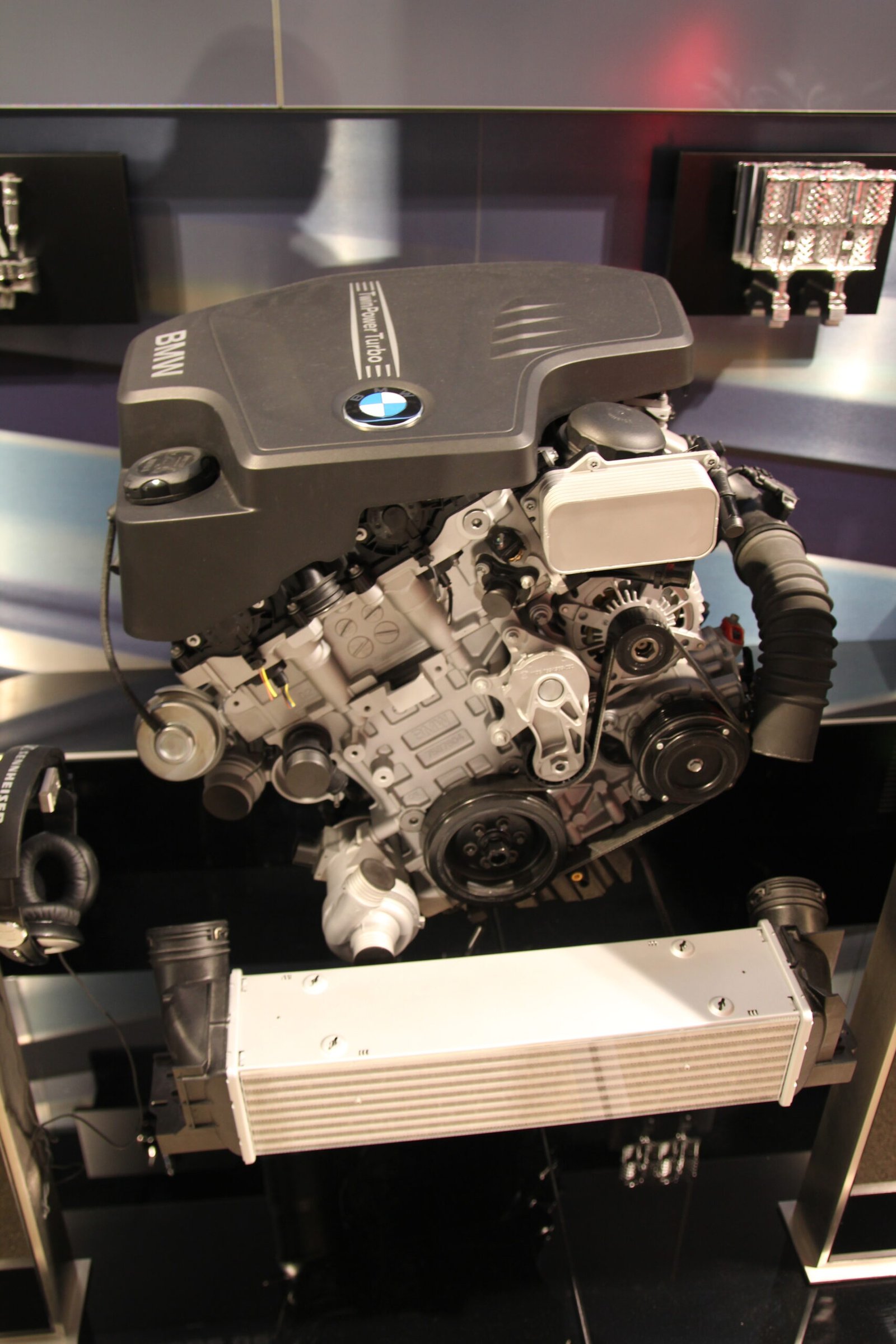
These engines, often found in models like BMW’s N47 diesel series, certain Minis, and Vauxhall’s 1.6 litre units, are notorious for this problem among UK drivers.
In this guide, we’ll break down the 4 key signs, the risks involved, and why early professional diagnostics can save you from costly engine rebuilds.
Common Causes of BMW Mini Vauxhall Timing Chain Rattle Cold Start
The BMW Mini Vauxhall timing chain rattle on cold start is primarily caused by the degradation of plastic components within the timing chain system. In engines from these manufacturers, particularly BMW’s N47 diesel engines, certain Mini variants, and Vauxhall’s smaller diesel units, plastic guides and tensioners are used to keep the chain taut. Over time, these plastic parts wear down, crack, or warp due to heat cycles and poor lubrication.
Cold starts exacerbate the problem because engine oil is thicker when cold, resulting in slower oil pressure build-up. Without adequate pressure, the chain becomes slack momentarily, causing it to slap against the guides and produce that characteristic rattle. This is a design vulnerability common in many UK-market vehicles from the 2000s and 2010s.
Other contributing factors include infrequent oil changes, using incorrect oil viscosity, or prolonged short trips that don’t allow the engine to reach optimal temperature. While regular maintenance helps, the inherent material choice in these guides means wear is often inevitable after 60,000 to 100,000 miles.
- Plastic guide and tensioner wear leading to chain slack
- Low oil pressure on cold starts
- Inadequate lubrication from old or wrong oil
- Engine heat cycles accelerating plastic degradation

Always use the manufacturer-recommended oil grade and change it every 10,000 miles or annually to minimise timing chain stress.
Sign 1: The Distinctive Cold Start Rattle
The most telling early sign of a failing timing chain in your BMW, Mini, or Vauxhall is a distinctive metallic rattle or ‘marbles in a tin’ noise right upon cold starting the engine. This BMW Mini Vauxhall timing chain rattle on cold start typically lasts between 1 to 5 seconds and is most prominent when the engine is completely cold, such as first thing in the morning or after sitting overnight.
As the oil warms and pressure builds, the noise usually fades away, leaving you to wonder if it was your imagination. However, it reliably returns on the next cold start. This symptom is often dismissed as normal, but in these specific engines, it’s a harbinger of plastic guide wear.
Listen carefully from the front of the engine bay; the sound emanates from the timing chain cover area. Recording a video of the noise on your phone is invaluable for showing a mechanic, as it helps confirm the issue without needing to replicate it in the workshop.
- Metallic rattling or diesel-like knocking for 1-5 seconds
- Occurs only on cold starts, quiets after warmup
- Heard from timing chain cover area
- Record for professional assessment
Film the cold start rattle with your phone’s video—include the dashboard clock to prove it’s cold.
- Start engine cold and listen carefully
- Record audio/video
- Note duration and conditions
Sign 2: Rattle Persisting Beyond Initial Warm-Up
If the rattle evolves to last longer than 10 seconds or persists intermittently even after the engine has warmed up, your timing chain issue has progressed to a more serious stage. This indicates significant wear in the plastic guides, allowing excessive chain slack even under normal oil pressure.
In BMW, Mini, and Vauxhall engines prone to this fault, such extended rattling signals that the tensioners are failing to compensate, increasing the risk of chain jump or stretch. UK drivers often notice this during longer journeys or in milder weather when cold starts aren’t as pronounced, but the underlying damage is worsening.
At this point, the noise may become a constant chatter under acceleration or at idle, making it impossible to ignore. Prompt inspection is crucial to prevent escalation.
- Noise lasts >10 seconds or continues after warmup
- Intermittent rattling during drive
- Indicates advanced guide and tensioner wear

Extended rattle means higher failure risk—book a diagnostic scan immediately to avoid breakdown.
Sign 3: Check Engine Lights and Misfires
As timing chain wear advances, it can cause the chain to stretch or skip teeth, leading to misalignment between the crankshaft and camshaft. This triggers the check engine light with diagnostic trouble codes such as P0016 (crankshaft/camshaft correlation) or misfire codes like P0300 in BMW N47 and similar Vauxhall engines.
Misfires may manifest as rough running, hesitation, or a shaking engine at idle. Oil pressure warning lights can also illuminate if debris from degraded plastic contaminates the system. These electrical symptoms are the engine’s electronic cry for help, directly linked to the mechanical rattle you heard on cold starts.
Ignoring this stage risks severe internal damage, as poor timing can bring valves into contact with pistons.
- Check engine light with cam/crank codes (e.g., P0016)
- Cylinder misfires or rough running
- Oil pressure warnings possible
Warning lights + rattle = potential valve damage. Do not delay diagnostics.
- Scan for OBD codes
- Note any misfire patterns
Sign 4: Power Loss and Rough Idling
In the late stages of timing chain failure, you’ll notice tangible performance degradation: sluggish acceleration, lack of power uphill, rough idling, or even stalling. This occurs because the chain’s excessive stretch disrupts valve timing, reducing engine efficiency and combustion quality.
For UK motorists in BMW, Mini, or Vauxhall vehicles, these symptoms combined with the original cold start rattle confirm imminent catastrophe. The engine may enter limp mode to protect itself, limiting revs and speed.
If you’re experiencing power loss alongside any prior signs, stop driving immediately to prevent total failure.
- Reduced power and acceleration
- Rough or shaky idle
- Stalling or limp mode activation
Power loss with rattle means chain snap is near—tow to a specialist.
The Serious Risks of Ignoring Timing Chain Failure Signs
Dismissing a BMW Mini Vauxhall timing chain rattle on cold start can lead to catastrophic engine damage. When the chain finally breaks or jumps, valves bend or shatter upon hitting pistons, cylinder heads crack, and camshafts fail—resulting in a complete engine rebuild.
Repair costs in the UK can escalate quickly into thousands of pounds, far exceeding proactive replacement. Moreover, sudden failure on the motorway poses safety risks, from loss of power to hazardous breakdowns.
Statistics from UK garages show many drivers face this after ignoring early rattles, turning a £1,500-£3,000 job into a full engine swap. Early action is always cheaper and safer.
- Bent valves and piston damage
- Total engine seizure
- High repair bills (£5,000+)
- Road safety hazards from sudden failure
Chain breakage = engine destruction. Prioritise safety and book inspection now.
Next Steps: Professional Diagnostics and Repair in the UK
Don’t attempt DIY fixes on a timing chain—seek a UK specialist with experience in BMW, Mini, and Vauxhall engines. Professional diagnostics involve OBD scanning for codes, listening to cold starts, borescope inspections of guides, and compression tests.
Expect a thorough check costing far less than repairs. If confirmed, timing chain replacement restores reliability, often including upgraded metal guides. Specialists like Apexx Engines offer tailored solutions for UK drivers.
Prompt action prevents escalation; many garages provide mobile diagnostics or collection services.
- OBD code scan
- Cold start listening test
- Borescope chain inspection
- Compression/leakdown tests
Experts use advanced tools for accurate diagnosis, saving time and money long-term.
- Find a timing chain specialist
- Book cold start diagnostic
- Discuss upgrade options
Safeguard Your BMW, Mini, or Vauxhall Engine Today
A persistent BMW Mini Vauxhall timing chain rattle on cold start is not something to ignore—it’s a clear warning from your engine. By spotting these four signs early, from the initial rattle to performance loss, you can act before irreversible damage occurs.
UK roads demand reliability, and professional diagnostics ensure peace of mind. Contact experts today to assess your timing chain health and keep motoring safely.
At Apexx Engines, we’re here to help with precise diagnostics and repairs tailored to your vehicle.
Key points
- A BMW Mini Vauxhall timing chain rattle on cold start is often the first sign of plastic guide wear—don’t dismiss it.
- Watch for four progression signs: initial rattle, persistent noise, warning lights, and power loss.
- Ignoring the rattle risks total engine failure; seek UK professional diagnostics immediately.
- Early intervention with specialists prevents expensive rebuilds and keeps you safe on the road.
- Regular oil changes help, but only expert inspection confirms timing chain health.
Frequently asked questions
What causes the timing chain rattle on cold start in BMW, Mini, and Vauxhall cars?
The rattle is mainly caused by wear in plastic guides and tensioners in the timing chain system, common in engines like BMW’s N47 diesel. On cold starts, thick oil leads to low pressure, making the chain slack and slap against the guides. Regular maintenance helps, but these plastic parts degrade over time due to heat and poor lubrication.
How can I tell if my cold start rattle is a failing timing chain?
Listen for a metallic ‘marbles in a tin’ noise lasting 1-5 seconds from the front of the engine bay on cold starts. If it persists beyond warmup, or comes with warning lights, misfires, or power loss, it’s likely the timing chain. Record the sound on video to show a mechanic for confirmation.
Is it safe to keep driving with a timing chain rattle on cold start?
Early rattles might be okay for short drives, but if it lasts longer or includes other signs like misfires or power loss, stop driving to avoid chain breakage. Ignoring it risks bent valves, piston damage, and total engine failure, which could leave you stranded. Get it checked promptly for safety.
What should I do next if I hear the timing chain rattle?
Book a professional diagnostic with a specialist familiar with BMW, Mini, and Vauxhall engines. They’ll do an OBD scan, listen to cold starts, and inspect the chain. Early action prevents costly rebuilds and keeps you safe on UK roads.
How much does timing chain replacement cost in the UK?
Proactive replacement typically costs £1,500 to £3,000, depending on the model and garage. Waiting until failure can push it over £5,000 for a full engine rebuild. Specialists often offer quotes after diagnostics to give an accurate price.
Spot the Rattle? Don't Wait for Disaster – Contact Apexx Engines Now!
Our specialists provide expert diagnostics for BMW, Mini, and Vauxhall timing chains to catch issues early and save you thousands. Get peace of mind with a professional check tailored to UK vehicles.
This article is for general information only and is not a substitute for a professional mechanical inspection or diagnosis. Always consult a qualified technician and obtain a proper assessment before making repair decisions.
Recent Posts