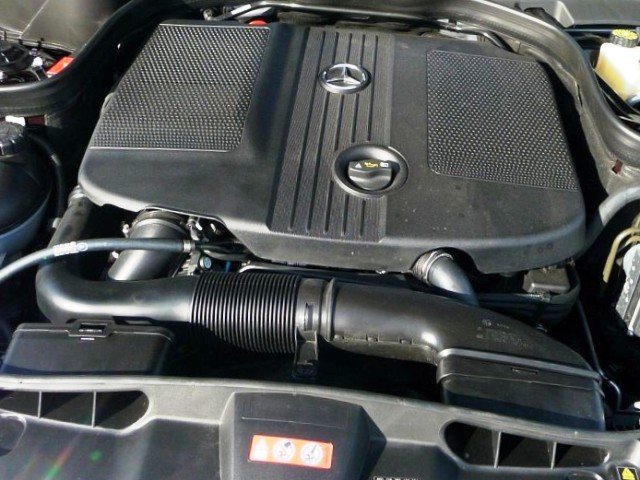
4 Signs Your Mercedes OM651 Oil Pump Is Failing (And How to Fix It)
Ignore the warning signs of mercedes om651 oil pump failure at your peril—your engine’s lifeblood depends on timely attention.
Why mercedes om651 oil pump failure matters for UK drivers
If you drive a Mercedes with the OM651 diesel engine, a drop in oil pressure can be a warning sign of mercedes om651 oil pump failure. This common yet serious issue affects popular models like the C220 CDI, E220 CDI, and various Sprinter vans across the UK’s roads.
Oil pump issues can lead to reduced lubrication, higher engine wear, and, in extreme cases, catastrophic failure. For UK car owners, van drivers and small fleets, understanding the signs and the right steps to diagnose them can save time and money whilst preventing potentially dangerous roadside breakdowns.
In this practical guide, we explain the four main signs of mercedes om651 oil pump failure, how professionals diagnose and recondition OM651 pumps, and what you can do to protect your investment. We’ll also cover when to stop driving immediately and seek professional help to avoid turning a manageable repair into an expensive engine rebuild.
Signs of mercedes om651 oil pump failure
Recognising the early warning signs of mercedes om651 oil pump failure can mean the difference between a straightforward repair and a costly engine rebuild. The OM651 oil pump is driven by the timing chain, and when problems develop, they typically manifest in predictable ways that alert drivers to potential issues.
The first and most critical sign is persistent low oil pressure warnings on your dashboard. If the oil pressure light illuminates during normal driving—not just at idle when the engine is warm—this suggests the pump may not be generating sufficient pressure to lubricate vital engine components properly. Unlike temporary pressure drops that might occur with very low oil levels, pump-related pressure loss tends to be consistent and worsening.
The second warning sign involves fluctuating oil pressure readings on vehicles equipped with pressure gauges. You might notice the needle dancing or dropping unexpectedly, particularly during acceleration or when the engine is under load. This erratic behaviour often indicates wear in the pump’s internal components or problems with the timing chain that drives it.
Unusual engine noises represent the third key indicator. A failing oil pump can cause increased engine noise, particularly a knocking or ticking sound from the top end of the engine. This occurs because reduced oil pressure means inadequate lubrication reaching critical components like the camshaft and valve train. These sounds are often most noticeable during cold starts or when accelerating.
The fourth sign combines multiple dashboard warnings appearing together. Modern Mercedes vehicles monitor various engine parameters, so oil pump issues might trigger not just oil pressure warnings but also engine management lights, reduced power modes, or even timing-related fault codes. When several warnings appear simultaneously, it often points to a common cause like oil pump failure affecting multiple engine systems.
- Oil pressure warning light stays on during normal driving
- Fluctuating or erratic oil pressure gauge readings
- Increased engine noise, particularly knocking or ticking sounds
- Multiple dashboard warnings appearing together
- Reduced engine performance or limp mode activation

Before assuming pump failure, check your oil level with the dipstick when the engine is cold and on level ground. Low oil levels can mimic pump problems but are easily resolved with a top-up. However, if oil levels are adequate and pressure warnings persist, treat it as a serious concern requiring immediate professional attention.
What causes om651 oil pump failure
Understanding what causes mercedes om651 oil pump failure helps UK drivers take preventative action and make informed decisions about repairs. The OM651 engine’s oil pump design makes it susceptible to specific types of wear and failure, often related to the timing chain system that drives it.
The primary cause of OM651 oil pump problems is timing chain stretch and wear. As the timing chain lengthens due to normal wear, it affects the precise timing of the oil pump drive, reducing pumping efficiency. This process accelerates when vehicles follow extended service intervals or use incorrect oil grades. In the UK’s stop-start traffic conditions, engines work harder, potentially accelerating chain wear and affecting pump performance.
Oil pump bearing wear represents another significant factor. The pump’s internal bearings can deteriorate over time, particularly if the engine has been run with contaminated oil or inadequate lubrication. Once bearing clearances increase, the pump loses efficiency and struggles to maintain proper pressure, especially when oil temperatures rise during extended motorway driving or in summer conditions.
Oil pressure regulator valve problems also contribute to apparent pump failure. The OM651 uses a pressure regulator to control oil flow, and when this valve sticks or fails, it can mimic pump problems by causing pressure fluctuations or reduced pressure. Carbon buildup from short journey driving, common in UK urban areas, can affect regulator operation.
Poor maintenance practices significantly increase failure risk. Using incorrect oil viscosity grades, extending service intervals beyond manufacturer recommendations, or neglecting oil changes allows contaminants to build up. These contaminants act like grinding paste inside the pump, accelerating wear of precision components and reducing pumping efficiency over time.
- Timing chain stretch affecting pump drive efficiency
- Internal pump bearing wear and increased clearances
- Oil pressure regulator valve sticking or failure
- Contaminated oil causing accelerated internal wear
- Extended service intervals beyond manufacturer specifications
- Incorrect oil grade or viscosity causing inadequate lubrication

OM651 engines are particularly sensitive to oil quality and change intervals. If you’ve purchased a used Mercedes without full service history, consider having the oil pump and timing chain system inspected proactively. Previous poor maintenance can cause premature failure even with good care going forward.
Diagnostics: how professionals identify om651 oil pump problems
Professional diagnostics for mercedes om651 oil pump failure follow a systematic approach to distinguish between pump problems and other issues that might cause similar symptoms. Qualified technicians use specialised equipment and procedures to accurately identify the root cause before recommending expensive repairs.
The diagnostic process typically begins with oil pressure testing using calibrated gauges. Technicians connect pressure testing equipment directly to the engine’s oil gallery to measure actual pressure at idle, during acceleration, and at operating temperature. This provides concrete data about pump performance rather than relying solely on dashboard warnings, which can sometimes give false readings due to sensor faults.
Electronic diagnostics form the second crucial step. Modern Mercedes vehicles store detailed fault codes and live data that help pinpoint oil system problems. Technicians use diagnostic scanners to read timing-related codes, oil pressure sensor data, and other engine parameters that might indicate pump or timing chain issues. This electronic analysis often reveals intermittent problems that might not be apparent during a brief visual inspection.
Physical inspection of the timing chain system comes next for suspected pump problems. This involves removing engine covers to examine chain tension, guide rail condition, and tensioner operation. Since the oil pump is driven by the timing chain, problems with chain stretch or guide wear often correlate with reduced pump efficiency and can help confirm diagnosis.
Oil analysis provides additional diagnostic information, particularly for engines with suspected internal wear. Laboratory analysis of used oil can reveal metal particles, contamination levels, and additive depletion that indicate internal engine condition. This information helps technicians determine whether pump problems have caused broader engine damage requiring more extensive repairs.
- Direct oil pressure measurement with calibrated test equipment
- Electronic diagnostic scanning for fault codes and live data
- Visual inspection of timing chain, guides, and tensioner condition
- Oil sample analysis to assess contamination and wear particles
- Pump flow rate testing where accessible
- Cross-referencing multiple data sources for accurate diagnosis
A proper OM651 oil pump diagnostic typically takes 2-4 hours and may require partial engine disassembly to access components. Reputable workshops will provide a detailed report explaining their findings and recommend the most cost-effective repair approach based on your vehicle’s condition and value.
Repair, reconditioning and replacement options for om651 oil pump
When mercedes om651 oil pump failure is confirmed, several repair and reconditioning options are available depending on the extent of damage and your budget. Professional workshops typically offer different approaches ranging from component replacement to complete engine reconditioning, each with distinct advantages for different situations.
Oil pump reconditioning represents the most cost-effective option when the pump housing and major components remain serviceable. This process involves disassembling the pump, replacing worn bearings, seals, and drive components, then reassembling to original specifications. Reconditioning works well for pumps with bearing wear but intact housings, typically costing significantly less than replacement whilst providing reliable long-term performance.
Complete oil pump replacement becomes necessary when internal components are severely worn or damaged beyond economical repair. New or remanufactured pumps restore full oil pressure and flow capacity, often coming with warranties that provide peace of mind. However, pump replacement usually requires timing chain system work, as accessing the pump means disturbing timing components that should be renewed as a precautionary measure.
Timing chain service often accompanies oil pump work, particularly when chain stretch contributed to the original pump problems. This comprehensive approach addresses both the symptom (pump failure) and the cause (chain wear), preventing repeat failures. While more expensive initially, combined timing chain and pump service often proves more economical than addressing issues separately over time.
Complete engine reconditioning becomes the preferred option when oil pump failure has caused broader engine damage. If inadequate oil pressure has damaged bearings, camshafts, or other internal components, a full rebuild restores the engine to like-new condition with comprehensive warranties. This approach suits high-mileage vehicles or cases where pump failure went unnoticed for extended periods, causing collateral damage throughout the engine.
- Oil pump reconditioning with new bearings and seals
- Complete pump replacement with new or remanufactured units
- Timing chain service including guides, tensioner, and chain
- Combined pump and timing system overhaul
- Full engine reconditioning for extensive damage cases
- Preventative component replacement during access
OM651 oil pump and timing work requires specific tools, knowledge, and safety procedures. Incorrect installation can cause timing errors leading to valve damage or complete engine failure. Always use workshops with proven Mercedes experience and appropriate equipment for this complex work.
- Verify workshop has Mercedes-specific diagnostic equipment
- Confirm availability of genuine or approved replacement parts
- Ask about warranty coverage on completed work
- Request detailed estimate including all necessary associated work
- Ensure timing procedure expertise and proper tools available
Prevention and maintenance to extend om651 oil pump life
Preventing mercedes om651 oil pump failure through proper maintenance proves far more economical than dealing with pump problems after they develop. UK drivers can take specific actions to maximise oil pump life and reduce the risk of unexpected failures, particularly given our challenging driving conditions and climate variations.
Following Mercedes’ recommended oil change intervals religiously forms the foundation of pump protection. The OM651 engine specifies particular oil grades and change frequencies that account for pump lubrication needs and timing chain requirements. In UK conditions, with frequent short journeys and variable temperatures, adhering strictly to these intervals—or even slightly reducing them—helps prevent the oil contamination and degradation that accelerates pump wear.
Using the correct oil specification is equally critical for OM651 oil pump longevity. Mercedes specifies particular viscosity grades and quality standards that ensure proper pump lubrication and timing chain operation. Cheaper oils or incorrect grades may seem economical initially but can cause premature wear, particularly in the pump’s precision bearing surfaces. Always verify oil meets Mercedes’ exact specifications rather than generic equivalents.
Regular oil pressure monitoring provides early warning of developing problems before they become serious. Modern Mercedes vehicles display oil pressure information through the dashboard, and drivers should familiarise themselves with normal readings and watch for changes. Any persistent pressure variations warrant immediate professional attention, as catching problems early often allows less expensive interventions than waiting until complete pump failure occurs.
Driving style modifications can significantly impact oil pump life, particularly for UK urban driving. Allowing proper warm-up time before demanding full performance helps ensure adequate oil circulation and pressure. Similarly, avoiding extended high-rev operation when oil temperatures are elevated reduces stress on pump components. For vehicles used primarily for short journeys, occasional longer drives help burn off contaminants and maintain oil quality between services.
- Adhere strictly to Mercedes oil change intervals and specifications
- Use only oil grades meeting exact Mercedes approval codes
- Monitor dashboard oil pressure readings for changes or fluctuations
- Allow adequate engine warm-up before demanding performance
- Include occasional longer drives to maintain oil condition
- Address any oil leaks promptly to maintain proper levels
British weather creates additional challenges for OM651 oil pumps. Cold starts increase oil viscosity, making the pump work harder, while short winter journeys prevent full warm-up. Consider using engine block heaters in very cold conditions and ensure your oil grade suits year-round UK temperatures.
- Check oil level monthly when engine is cold and on level ground
- Monitor dashboard for any oil pressure warnings or unusual readings
- Service vehicle according to Mercedes schedule, not generic intervals
- Keep service records to track oil change history and specifications used
- Address any oil leaks immediately to maintain proper system pressure
Conclusion: Protect Your Mercedes with Proactive OM651 Oil Pump Care
Mercedes om651 oil pump failure doesn’t have to mean catastrophic engine damage or enormous repair bills—if you recognise the warning signs early and take appropriate action. The four key indicators we’ve covered provide clear signals that professional attention is needed before problems escalate beyond economical repair.
Remember that oil pressure warnings demand immediate attention. If warning lights illuminate, stop driving safely and arrange professional recovery and diagnostics. Continuing to drive with inadequate oil pressure risks transforming a manageable pump repair into a complete engine rebuild costing thousands of pounds.
Prevention through proper maintenance remains your best defence against OM651 oil pump problems. Following Mercedes’ service schedules, using correct oil grades, and monitoring your engine’s behaviour can extend pump life significantly whilst providing early warning of developing issues. The modest cost of regular maintenance pales compared to emergency repairs or replacement engines.
When repairs become necessary, choose qualified specialists with Mercedes expertise and proper diagnostic equipment. OM651 timing and oil pump work requires specific knowledge and tools—attempting shortcuts or using inexperienced technicians risks making problems worse and potentially dangerous.
Key points
- Recognising mercedes om651 oil pump failure early can save thousands by preventing severe engine damage
- If oil pressure warning lights come on, stop safely and arrange professional diagnostics immediately
- Follow Mercedes’ recommended oil grade and change intervals to reduce wear and prolong pump life
- When diagnosed, rely on qualified technicians for timing chain and pump work—DIY fixes can be unsafe
- Regular UK-based maintenance can extend the life of the OM651 oil pump and protect your engine investment
Frequently asked questions
What are the main signs of OM651 oil pump failure that UK drivers should look out for?
The most common early sign is a persistent oil pressure warning on the dashboard, even during normal driving. You may also notice erratic oil pressure gauge readings if your vehicle has a pressure gauge. Unusual engine noises, such as knocking or ticking from the top end, can indicate reduced lubrication. When several warnings appear together, it often means the oil pump is affected.
If the oil pressure warning light comes on, what should I do?
Stop driving as soon as it is safe and turn off the engine. Check the oil level when the engine is cold and on level ground; if the oil level is correct and the warning persists, arrange recovery to a qualified workshop for diagnostics. Do not ignore the warning, as continuing to drive can cause serious engine damage.
Can low oil pressure be caused by something other than a failing pump?
Yes. Low oil level, using the wrong oil grade, or contaminated oil can mimic pump problems. An oil pressure sensor fault or a clogged filter can also reduce pressure. Always verify oil level and oil quality before assuming the pump is at fault.
How do professionals diagnose OM651 oil pump problems?
Technicians start with direct oil pressure testing using calibrated gauges to measure pressure at idle, under load, and at operating temperature. They then perform electronic diagnostics to read fault codes and live data from oil pressure sensors and timing. A visual inspection of the timing chain and its guides follows, since the pump is driven by the chain, and oil analysis may be used to detect wear and contamination.
What repair options are available if the OM651 oil pump is faulty?
Options include reconditioning the pump, replacing it with a new or remanufactured unit, and timing chain service to address drive wear. In cases of extensive damage, full engine reconditioning may be necessary. Work should be carried out by qualified Mercedes specialists with the correct tools and timing procedures.
Get expert help with OM651 oil pump issues from Apexx Engines
Our Mercedes-specialist technicians provide precise diagnostics, timing-chain service, and oil pump reconditioning to protect your engine.
This article is for general information only and is not a substitute for a professional mechanical inspection or diagnosis. Always consult a qualified technician and obtain a proper assessment before making repair decisions.
Recent Posts