4 Signs Your BMW 2.0 Diesel DPF Is Failing (And How to Regenerate It)
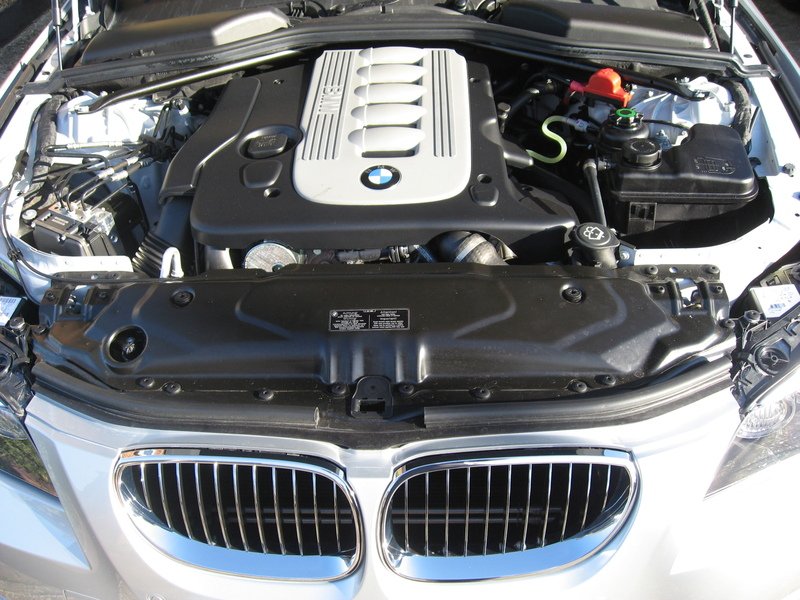
4 Signs Your BMW 2.0 Diesel DPF Is Failing (And How to Regenerate It)
Is your BMW flashing a check engine light or dropping into limp mode due to bmw 2.0 diesel dpf problems? Don’t panic—early detection can prevent costly engine damage.
Understanding BMW 2.0 Diesel DPF Problems
BMW 2.0 diesel engines power popular models like the 1 Series and 3 Series, but bmw 2.0 diesel dpf problems are a common headache for UK drivers due to the Diesel Particulate Filter (DPF) clogging from short trips and urban driving.
Ignoring these issues can lead to limp mode, reduced power, safety risks, and expensive repairs—but spotting the signs early allows for simple regeneration.
This guide breaks down the 4 key failure signs, regeneration steps, and when to call in professionals for DPF cleaning or engine reconditioning.
What is a DPF and How Does it Work in Your BMW?
The Diesel Particulate Filter (DPF) is a crucial component in modern BMW 2.0 diesel engines, designed to trap harmful soot particles from exhaust gases. This helps your vehicle meet strict Euro 6 emissions standards, which are mandatory in the UK to reduce air pollution from diesel cars.
In your BMW, such as the 1 Series or 3 Series, the DPF sits in the exhaust system. As you drive, it captures soot produced during combustion. To prevent clogging, the DPF relies on regeneration processes where trapped soot is burned off at high temperatures, turning it into harmless ash.
There are two main types of regeneration: passive and active. Passive regeneration happens automatically during longer motorway drives when exhaust temperatures naturally exceed 600°C, allowing soot to oxidise without intervention. Active regeneration, triggered by the engine control unit (ECU), injects extra fuel to raise temperatures if passive doesn’t suffice.
However, in typical UK driving—full of short urban trips and traffic jams—these high temperatures are rarely reached, leading to bmw 2.0 diesel dpf problems like soot buildup and blockage.
- Passive regeneration: Occurs naturally on long drives above 60 mph.
- Active regeneration: ECU-initiated, uses fuel injection for heat.
- Full regeneration cycle: Can take 20-40 minutes of steady driving.

UK diesel vehicles like BMW 2.0 models must have DPFs to pass MOT emissions tests and avoid fines. Regular function ensures legal roadworthiness.
Common BMW 2.0 Diesel DPF Problems and Their Causes
BMW 2.0 diesel DPF problems often stem from the filter’s inability to regenerate properly in real-world UK conditions. Short journeys under 20 minutes don’t allow exhaust temperatures to rise sufficiently, causing soot to accumulate over time.
Other causes include poor fuel quality, which produces more soot, and faulty sensors that misread DPF status, preventing regeneration. In models like the BMW 1 Series and 3 Series, oil dilution from frequent active regens can degrade lubricant quality, exacerbating issues.
Blockages increase exhaust back pressure, straining the turbocharger and potentially leading to engine damage if ignored. Urban driving in cities like London or Manchester amplifies these risks due to frequent stops.
- Short trips preventing passive regen.
- Low-quality or adulterated diesel fuel.
- Sensor failures (pressure, temperature).
- Frequent stop-start traffic.
- Oil contamination from regen fuel.

Excessive back pressure from a clogged DPF can warp the turbo or crack the engine block—stop driving if symptoms worsen to avoid breakdowns.
Sign #1: Persistent Check Engine Light
A persistent check engine light is one of the earliest indicators of bmw 2.0 diesel dpf problems. It illuminates when the ECU detects excessive soot levels or regeneration faults, often linked to error codes like P2459 (DPF regeneration frequency) or P2463 (soot accumulation).
Don’t dismiss it as a minor glitch—this light signals building pressure in the exhaust system. In BMW 2.0 diesels, it can flicker during failed regen attempts. Scanning with an OBD-II reader confirms DPF-specific issues.
Early action here can prevent escalation to limp mode or power loss, saving you from roadside breakdowns.
- Light stays on after restart.
- Accompanied by reduced performance.
- May flash during acceleration.
Affordable OBD scanners available at auto shops reveal exact codes, helping pinpoint DPF woes before they worsen.
Sign #2: Limp Mode Activation
Limp mode is the ECU’s safety net, limiting engine power to around 1,000-1,500 RPM and capping speed to protect components from DPF-induced back pressure. In BMW 2.0 diesel models, it activates when soot blockage exceeds safe limits.
You’ll notice sluggish acceleration and inability to exceed 40-50 mph. This is directly tied to bmw 2.0 diesel dpf problems, as the filter restricts exhaust flow, mimicking a choked airway.
While reversible, ignoring it risks turbo strain—pull over safely if it engages suddenly.
- Reduced revs and top speed.
- Dashboard warning messages.
- Safe but frustrating to drive.
Limp mode compromises overtaking and merging—stop driving immediately if power drops significantly to prevent accidents.
Sign #3: Sudden Loss of Power and Acceleration
Sudden loss of power during overtaking or uphill drives screams bmw 2.0 diesel dpf problems. A clogged DPF hampers exhaust expulsion, forcing the engine to work harder with less output—like breathing through a straw.
This differs from turbo failure, as DPF issues build gradually with other signs like the check engine light. In 1 Series or 3 Series, it strains pistons and valves over time.
Prompt diagnosis prevents escalation to full failure.
- Hesitation under load.
- Flat acceleration curve.
- No response from throttle.
Power loss affects control in traffic—park safely and seek diagnostics to avoid engine catastrophe.
Sign #4: Black Smoke and Poor Fuel Economy
Black smoke billowing from the exhaust is a visible cry for help from your BMW’s DPF. It indicates unburnt fuel escaping due to incomplete regeneration, a hallmark of bmw 2.0 diesel dpf problems.
Simultaneously, fuel economy plummets—expect MPG drops of 20-30% as the engine compensates for restriction. This not only hits your wallet but risks MOT failure on emissions.
In UK towns, this smoke also draws attention and potential fines.
- Thick black exhaust on startup.
- MPG warning on dashboard.
- Strong diesel smell.
Clogged DPFs fail emissions tests—address early to pass annual UK MOT without issues.
How to Regenerate Your BMW DPF: A Step-by-Step Guide
Regenerating your BMW DPF at home is feasible for minor blockages. Start with passive regeneration: find a quiet motorway stretch for 20-40 minutes at steady 2,000+ RPM above 60 mph. Monitor the dashboard for regen indicators like fan speed increase or temp rises.
For forced active regeneration, use a compatible OBD tool to initiate via the ECU—ensure AdBlue levels are good and oil isn’t diluted. Avoid interruptions, as partial regens worsen clogs.
Track progress with a scanner post-drive. If unsuccessful, don’t repeat endlessly.
Always warm up first and drive safely.
Check AdBlue, oil level/quality, and fuel before regen. Park in a safe, open area away from flammables.
Forced regen increases fuel use and heat—stop if smells or smoke intensify, and consult a professional.
- Ensure half-full fuel tank.
- Drive steadily at 60-70 mph.
- Monitor for 30 minutes minimum.
- Scan for codes before/after.
- Repeat only if partial success.
When to Seek Professional Help: DPF Cleaning and Engine Reconditioning
If DIY regeneration fails repeatedly or signs persist, professional intervention is essential. Specialists use ultrasonic cleaning or baking to remove stubborn ash from the DPF without replacement.
For severe bmw 2.0 diesel dpf problems affecting the engine, reconditioning restores components like turbos and injectors, often cheaper than a new unit. UK-wide services ensure quick turnaround.
Experts diagnose root causes, preventing recurrence—far safer than risking further damage.
- Repeated regen failures.
- Warning lights post-DIY.
- Engine knocking or overheating.
Professional cleaning achieves 99% regeneration success, extending DPF life by years.
Preventing Future BMW 2.0 Diesel DPF Problems
Prevention beats cure for bmw 2.0 diesel dpf problems. Incorporate weekly 20+ minute motorway runs to enable passive regen, even if it means planning routes.
Opt for premium diesel from reputable UK stations to minimise soot. Adhere to service schedules, including DPF status checks during MOT prep.
Proactive OBD scans every 5,000 miles catch issues early, ensuring reliable motoring.
- Use high-quality fuel additives sparingly.
- Avoid prolonged idling.
- Service every 10,000 miles.
- Long drives weekly.
Daily commutes under 10 miles guarantee DPF woes—plan longer routes or face blockages.
- Schedule long drives.
- Premium fuel only.
- Annual DPF scan.
- Monitor MPG trends.
Take Control of Your BMW's DPF Health Today
BMW 2.0 diesel DPF problems don’t have to sideline your car. By recognising the four key signs—check engine light, limp mode, power loss, and black smoke—you can act swiftly with regeneration or professional help.
Neglect leads to safety risks, soaring fuel costs, and hefty bills, but vigilance ensures smooth UK roads ahead. Whether DIY or expert, prioritise your DPF for peace of mind.
Contact specialists for diagnostics today—don’t wait for the next breakdown.
Key points
- Spot bmw 2.0 diesel dpf problems early through check engine lights, limp mode, power loss, and smoke to avoid engine damage.
- Perform DPF regeneration with long motorway drives or forced methods, but stop if issues persist.
- Seek professional DPF cleaning or engine reconditioning in the UK for stubborn blockages—it’s safer and more cost-effective.
- Prevent issues by avoiding short trips, using premium fuel, and scheduling regular diagnostics.
- Ignoring DPF warnings risks safety, higher fuel bills, and MOT failures—act now for smooth drives.
Frequently asked questions
What are the main signs of a failing DPF in my BMW 2.0 diesel?
The four key signs are a persistent check engine light, limp mode activation, sudden power loss during acceleration, and black smoke from the exhaust with poor fuel economy. These indicate soot buildup blocking the filter, increasing back pressure. Early detection allows simple fixes like regeneration.
How do I regenerate my BMW 2.0 diesel DPF at home?
Drive steadily on a motorway at over 60 mph for 20-40 minutes to trigger passive regeneration. For active regeneration, use an OBD scanner to initiate it via the ECU, ensuring good fuel and oil levels. Always monitor progress and stop if issues worsen.
When should I seek professional help for BMW DPF problems?
Call in experts if DIY regeneration fails repeatedly, warning lights persist, or you hear engine knocking. Professionals offer ultrasonic cleaning or baking for stubborn blockages. They also diagnose related issues like turbo strain for long-term reliability.
Can short trips cause DPF issues in my BMW?
Yes, short urban drives under 20 minutes prevent exhaust temperatures from rising enough for regeneration, leading to soot accumulation. This is common for UK commuters in traffic. Plan weekly longer motorway runs to avoid blockages.
What happens if I ignore DPF warning signs in my BMW?
Ignoring them risks turbo damage, engine failure, limp mode, and MOT emissions failure. You’ll face higher fuel costs, safety risks from power loss, and expensive repairs. Act promptly to prevent breakdowns.
Resolve Your BMW DPF Problems with Apexx Engines Today
Our UK specialists provide expert DPF cleaning, regeneration diagnostics, and engine reconditioning to get your 2.0 diesel BMW back on the road safely and efficiently.
This article is for general information only and is not a substitute for a professional mechanical inspection or diagnosis. Always consult a qualified technician and obtain a proper assessment before making repair decisions.
Recent Posts