4 Signs Your BMW N20 Engine Has Dangerous Carbon Build-Up (And How to Clean It)
4 Signs Your BMW N20 Engine Has Dangerous Carbon Build-Up (And How to Clean It)
Worried your BMW’s performance is slipping due to bmw n20 carbon build-up?
Understanding BMW N20 Carbon Build-Up and Your Next Move
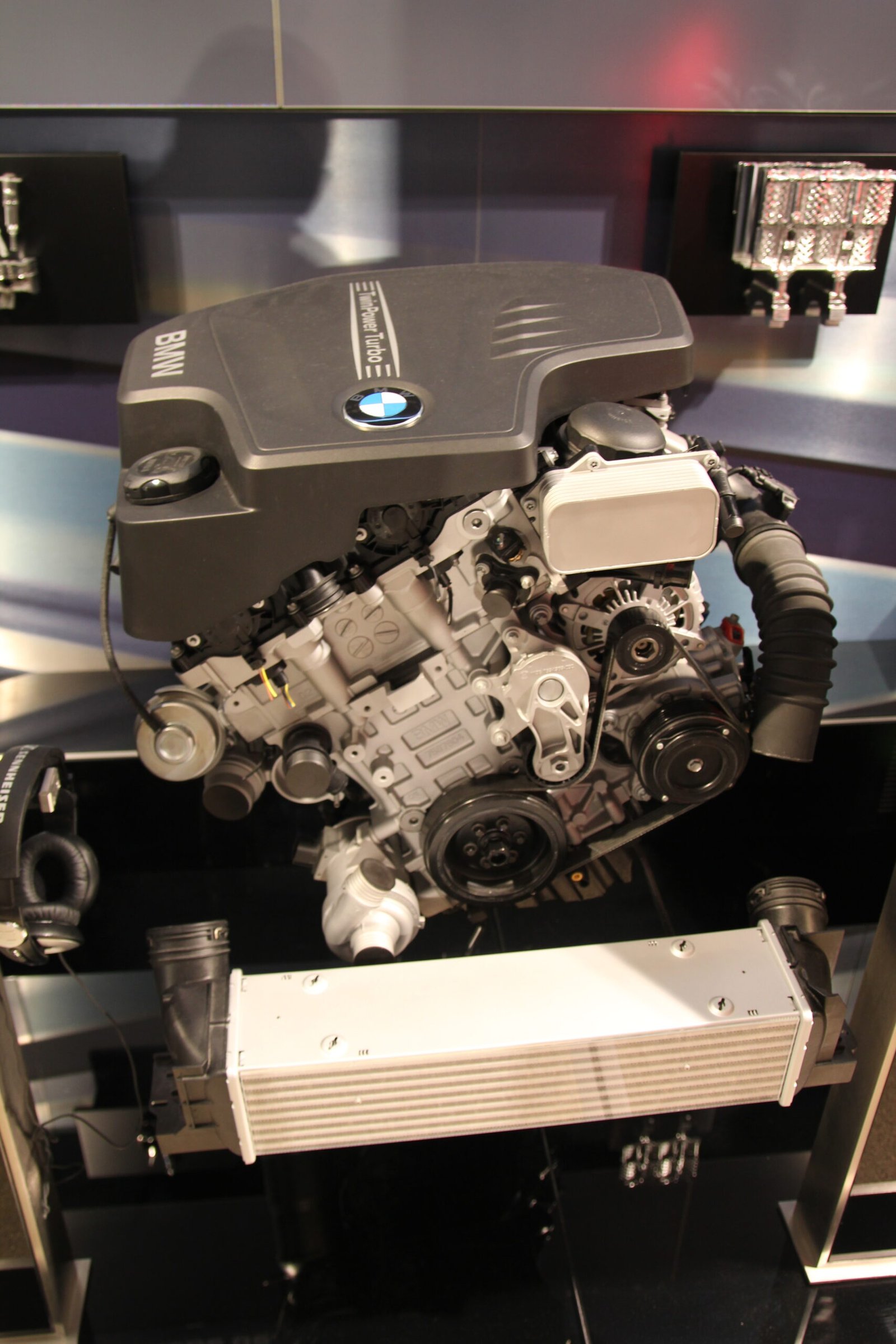
If you drive a BMW with the N20 engine, bmw n20 carbon build-up can quietly rob you of smooth running, power, and reliability. This turbocharged four-cylinder engine, found in popular models like the 3 Series, 4 Series, and X3, is particularly susceptible to carbon deposits on its intake valves due to its direct injection system.
This article explains what carbon build-up looks like on the N20, why it happens, and how professional diagnostics and targeted cleaning can restore performance—without risking valve damage. We’ll help you recognise the warning signs and understand your options for professional cleaning services available across the UK.
What is Carbon Build-Up on the BMW N20?
Carbon build-up on the BMW N20 engine occurs when oil vapours, fuel residues, and combustion byproducts accumulate on the intake valves over time. Unlike port injection engines that wash the valves with fuel, the N20’s direct injection system sprays fuel directly into the combustion chamber, leaving the intake valves vulnerable to deposits.
These deposits form when hot oil vapours from the crankcase ventilation system mix with air and condense on the cooler intake valve surfaces. Over thousands of miles, these sticky residues harden into carbon layers that can significantly restrict airflow into the cylinders.
The N20’s turbocharger adds another layer of complexity, as the higher operating temperatures and pressures can accelerate deposit formation. Combined with the engine’s high-performance nature, this makes regular monitoring and maintenance particularly important for UK drivers who want to maintain their BMW’s reliability and performance.
- Direct injection leaves intake valves unprotected from fuel wash
- Oil vapours condense on valve surfaces, forming sticky deposits
- Heat from turbocharging accelerates carbon formation
- Deposits harden over time, restricting crucial airflow

The N20’s direct injection system, whilst improving fuel efficiency and power, means fuel never touches the intake valves to clean them naturally. This design characteristic makes carbon build-up almost inevitable without proper maintenance.
4 Signs of bmw n20 carbon build-up
Recognising the early signs of bmw n20 carbon build-up can save you from costly repairs and restore your driving experience. The symptoms often develop gradually, making them easy to dismiss as normal wear, but addressing them promptly prevents more serious engine damage.
The first sign is rough idling or uneven engine operation, particularly when the engine is cold. You might notice the engine struggling to maintain steady revs at traffic lights or experiencing slight vibrations through the steering wheel. This happens because carbon deposits disrupt the precise air-fuel mixture the N20 needs for smooth operation.
Power loss during acceleration is another telltale sign, especially noticeable when overtaking or climbing hills. The restricted airflow from carbon build-up means your engine can’t breathe properly, resulting in sluggish performance and reduced pulling power that’s particularly frustrating on UK motorways.
Increased fuel consumption often accompanies these performance issues. When the engine struggles to draw in sufficient air, it compensates by working harder, leading to higher fuel usage and more frequent visits to the petrol station. Finally, intermittent engine warning lights may appear, particularly the engine management light, as the ECU detects irregular combustion patterns caused by the restricted airflow.
- Rough idling and uneven engine operation, especially when cold
- Noticeable power loss during acceleration and overtaking
- Increased fuel consumption despite normal driving habits
- Intermittent engine warning lights or fault codes

If you experience severe misfires, significant power loss, or persistent engine warning lights, stop driving immediately and seek professional diagnostics. Continuing to drive with severe carbon build-up can cause permanent valve damage.
- Monitor idle quality when engine is cold
- Note any reduction in acceleration performance
- Track fuel consumption changes
- Watch for engine warning lights
Why Carbon Build-Up on the N20 Matters
Carbon build-up on the N20 isn’t just about reduced performance—it poses genuine risks to your engine’s longevity and reliability. When deposits restrict airflow through the intake valves, the engine’s carefully calibrated air-fuel mixture becomes disrupted, leading to incomplete combustion and potential engine damage over time.
Misfires become increasingly common as carbon deposits interfere with valve sealing and airflow. These misfires don’t just affect driving comfort; they can damage the catalytic converter, leading to expensive exhaust system repairs that far exceed the cost of preventive carbon cleaning.
The restricted airflow forces your N20 to work harder to produce the same power, increasing stress on all engine components. This additional strain accelerates wear on turbocharger components, fuel injectors, and internal engine parts, potentially shortening the engine’s overall lifespan significantly.
In severe cases, thick carbon deposits can prevent intake valves from sealing properly against their seats, leading to compression loss and requiring expensive valve reconditioning or complete cylinder head work. What starts as a maintenance issue can quickly escalate into major engine repairs costing thousands of pounds.
- Disrupted air-fuel mixture causes incomplete combustion
- Misfires can damage expensive catalytic converters
- Increased engine stress accelerates component wear
- Severe deposits can cause valve sealing problems
Professional carbon cleaning typically costs a fraction of the repair bills that result from ignored carbon build-up. Catalytic converter replacement alone can cost more than several carbon cleaning services combined.
Cleaning Options and Professional Diagnostics
Professional diagnostics form the foundation of effective carbon cleaning on the N20 engine. A qualified technician will use borescope inspection to visually assess the extent of carbon deposits, perform compression tests to check valve sealing, and analyse fault codes to understand how the build-up affects engine operation.
Walnut blasting represents the gold standard for N20 carbon cleaning. This process uses crushed walnut shells as an abrasive medium to remove carbon deposits whilst being gentle enough to avoid damaging the intake valves or valve seats. The walnut shells are biodegradable and won’t harm your engine if any residue remains after cleaning.
Chemical cleaning methods can supplement walnut blasting for lighter deposits, using specialised solvents that dissolve carbon without aggressive mechanical action. However, these methods are typically less effective for heavy build-up and work best as preventive maintenance rather than corrective treatment.
DIY carbon cleaning attempts on the N20 carry significant risks and should be avoided. The precision required to safely remove deposits without damaging valves, the specialised equipment needed for effective cleaning, and the potential for expensive mistakes make professional service the sensible choice for UK drivers.
- Borescope inspection reveals exact extent of deposits
- Walnut blasting safely removes heavy carbon build-up
- Chemical cleaning works for lighter deposits
- Professional equipment ensures safe, thorough cleaning
Never attempt DIY carbon cleaning on the N20. Improper techniques can scratch valve surfaces, damage seals, or leave debris in the engine. The cost of professional cleaning is minimal compared to potential engine damage from DIY attempts.
- Choose technician experienced with BMW N20 engines
- Ensure they use proper walnut blasting equipment
- Request before and after borescope images
- Verify all debris is properly removed post-cleaning
Taking Action in the UK: What to Do Next
If you suspect bmw n20 carbon build-up in your BMW, start by booking a diagnostic appointment with a reputable UK garage experienced in BMW servicing. Look for technicians who specifically mention N20 experience and have the proper equipment for borescope inspection and walnut blasting.
During your diagnostic appointment, expect the technician to perform a visual inspection using a borescope, check for fault codes, and possibly conduct a compression test. This comprehensive assessment will determine whether carbon cleaning is necessary and help estimate the extent of work required.
Professional carbon cleaning services in the UK typically range from several hundred to over a thousand pounds, depending on the severity of deposits and your location. Whilst this might seem expensive, it’s considerably less than the cost of engine repairs that result from neglected carbon build-up.
After cleaning, monitor your BMW’s performance closely for improvements in idle quality, acceleration, and fuel consumption. A reputable service provider should offer some form of warranty on their work and be willing to address any concerns if problems persist after cleaning.
- Research BMW specialists with N20 experience in your area
- Book comprehensive diagnostic before committing to cleaning
- Budget appropriately for professional cleaning services
- Monitor performance improvements after service
Look for garages with BMW training, proper walnut blasting equipment, and positive reviews from N20 owners. Don’t hesitate to ask about their experience with your specific engine and request examples of their work.
- Research local BMW specialists
- Verify they have walnut blasting equipment
- Get quotes from multiple providers
- Confirm warranty coverage on cleaning work
- Schedule follow-up inspection if recommended
Keep Your BMW N20 Running Clean: Take Action with a UK Pro
bmw n20 carbon build-up is a predictable maintenance issue that requires professional attention to resolve safely and effectively. By recognising the warning signs early and acting promptly, you can restore your BMW’s performance and prevent costly engine damage.
Don’t let carbon deposits rob your N20 of its intended performance and reliability. Professional diagnostics and targeted cleaning services are readily available across the UK, offering a cost-effective solution that protects your investment and ensures continued driving pleasure.
Remember, attempting DIY cleaning on your N20’s direct injection system risks expensive damage that far exceeds professional service costs. Trust qualified technicians with the right equipment and experience to restore your BMW’s performance safely and effectively.
Key points
- bmw n20 carbon build-up is a common issue that reduces airflow and power on the N20 engine; early signs include rough idling, power loss, and increased fuel consumption
- Professional diagnostics and targeted cleaning, including walnut blasting, can safely restore performance and prevent further damage
- Don’t ignore warning lights, rough idling, or power loss—seek a UK-based diagnostic to avoid costly repairs
- DIY attempts on direct-injection N20s risk valve damage; trust a qualified technician with proper equipment and experience
- Regular maintenance and timely cleaning can help prevent severe N20 carbon build-up from returning and protect your engine investment
Frequently asked questions
What is carbon build-up on the BMW N20 and why does it form?
Carbon build-up on the BMW N20 occurs when oil vapours and fuel residues coat the intake valves. Because the N20 uses direct injection, fuel doesn’t wash the valves, so deposits can build up over thousands of miles. The turbocharged nature of the engine and high operating temperatures can accelerate this process, especially in UK driving conditions.
What are the common signs that my N20 has dangerous carbon build-up?
Rough idling or an uneven idle, particularly when the engine is cold, is an early sign. You may notice reduced power during acceleration and pulling away. There can also be higher fuel consumption and intermittent engine warning lights.
Can I clean it myself, or should I go straight to a garage?
DIY cleaning is not recommended. The N20 requires specialised equipment and expertise to avoid valve damage. A professional diagnostic and cleaning visit protects the engine and often provides warranty-backed results.
What cleaning options are available, and why is walnut blasting considered best?
A qualified technician will first inspect with a borescope and check valve sealing with compression tests. Walnut blasting uses crushed walnut shells to remove carbon deposits without harming valves, and is considered the gold standard for the N20. Chemical cleaners can supplement removal but are less effective for heavy build-up.
How much does professional cleaning cost in the UK, and is there any warranty?
Prices vary by severity and location, but professional cleaning typically costs a few hundred to over a thousand pounds. The cost is usually far lower than the potential damage from neglected build-up. Reputable UK garages will offer a warranty on the cleaning work.
Book a Diagnostic with Apexx Engines for your BMW N20 carbon build-up
Get expert diagnostics and walnut blasting from UK specialists. We’ll guide you through the process and back it with clear pricing and warranty on our work.
This article is for general information only and is not a substitute for a professional mechanical inspection or diagnosis. Always consult a qualified technician and obtain a proper assessment before making repair decisions.
Recent Posts