4 Signs Your BMW B48 Engine Has Dangerous Carbon Build-Up (And How to Clean It)
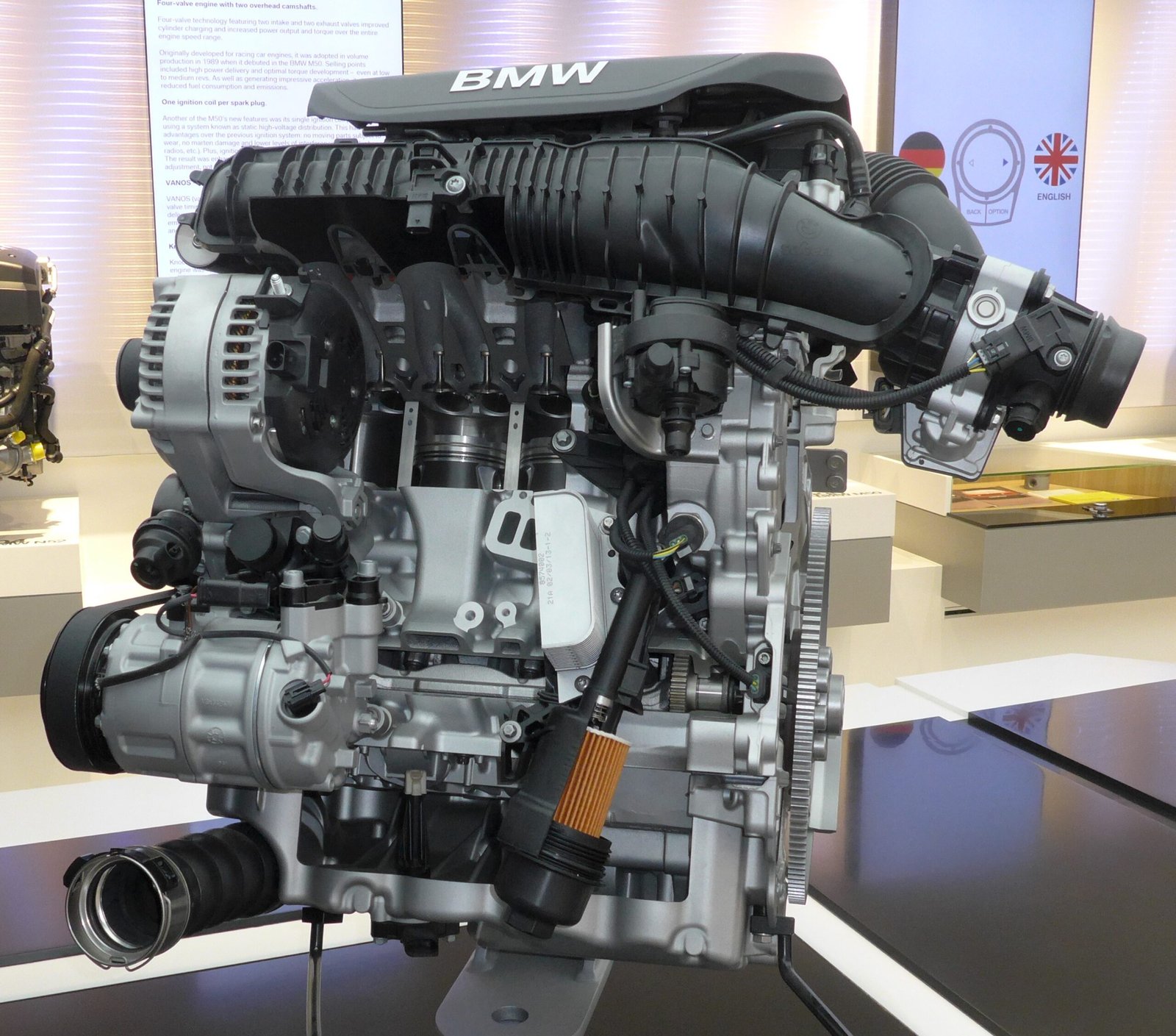
4 Signs Your BMW B48 Engine Has Dangerous Carbon Build-Up (And How to Clean It)
bmw b48 carbon build-up is a hidden performance killer that could leave you stranded with reduced power and unreliable acceleration.
Understanding BMW B48 Carbon Build-Up and Why It Matters for UK Drivers
bmw b48 carbon build-up is a common issue that UK car owners should understand because it quietly chips away at power, fuel efficiency, and reliability. The B48 is BMW’s turbocharged 2.0-litre petrol engine found in popular models like the 320i, X1, and MINI Cooper S, making this problem relevant to thousands of drivers across the country.
When deposits form on intake valves and within the combustion chamber, airflow becomes restricted, leading to hesitations during acceleration and uneven idle. Unlike older engines with port fuel injection that naturally clean the valves, the B48’s direct injection system leaves valves vulnerable to carbon accumulation over time.
This guide explains the four key signs of carbon build-up, why professional diagnostics matter for your safety, and how specialist cleaning strategies can restore performance without risking expensive engine damage. Understanding these warning signs could save you from costly breakdowns and keep your BMW running smoothly for years to come.
BMW B48 Carbon Build-Up Signs and Symptoms
Recognising the early warning signs of bmw b48 carbon build-up can prevent minor issues from escalating into major engine problems. Carbon deposits gradually accumulate on intake valves and combustion chambers, creating symptoms that become more noticeable over time.
The first sign many drivers notice is engine misfiring, particularly during acceleration or when the engine is under load. You might feel the car hesitate or stumble when pulling away from traffic lights or overtaking on dual carriageways. These misfires occur because carbon deposits disrupt the precise air-fuel mixture needed for smooth combustion.
Rough idling represents the second major symptom, with the engine feeling uneven or shaky when stationary. At traffic lights or in car parks, you may notice the engine struggling to maintain a steady idle speed, sometimes accompanied by slight vibrations through the steering wheel or dashboard.
Reduced power and acceleration form the third warning sign, with your B48 feeling noticeably less responsive than usual. Hills that were previously manageable may require more throttle input, and motorway acceleration might feel sluggish compared to when the car was newer.
The fourth key indicator is increased fuel consumption combined with black exhaust smoke during acceleration. Carbon deposits force the engine to work harder to achieve the same performance, leading to higher petrol bills and occasional visible emissions that suggest incomplete combustion.
- Engine misfiring during acceleration or under load
- Rough, uneven idling when stationary
- Reduced power and sluggish acceleration response
- Increased fuel consumption with occasional black exhaust smoke

If you experience persistent misfiring, sudden power loss, or the engine management light appears, stop driving and arrange professional diagnostics immediately. These symptoms can indicate severe carbon build-up that may damage other engine components if ignored.
- Monitor acceleration performance during your regular journeys
- Pay attention to idle quality when stationary
- Track fuel consumption changes over several fill-ups
- Watch for any engine warning lights on the dashboard
Causes and Risks of Carbon Build-Up in the BMW B48
Understanding what causes carbon build-up in the BMW B48 helps explain why this issue affects so many UK drivers, particularly those with urban driving patterns. The B48’s direct injection system sprays fuel directly into the combustion chamber rather than over the intake valves, which means the valves miss out on the natural cleaning effect that petrol provides in older port-injected engines.
Short trips and urban driving patterns significantly accelerate carbon formation because the engine rarely reaches optimal operating temperatures for extended periods. Many UK drivers use their cars primarily for school runs, shopping trips, or short commutes, rarely allowing the engine to fully warm up and burn off deposits naturally through higher-temperature operation.
Cold starts contribute heavily to the problem, as incomplete combustion during warm-up creates more carbon particles that stick to valve surfaces. During winter months, when engines take longer to reach operating temperature, this effect becomes more pronounced, especially for drivers who make frequent short journeys.
The risks of ignoring carbon build-up extend beyond reduced performance and fuel economy. Severe deposits can cause valve damage, affect sensor readings, and create hot spots that lead to pre-ignition or detonation. In extreme cases, large carbon chunks can break away and damage pistons or catalytic converters, resulting in repair bills running into thousands of pounds.
From a safety perspective, unpredictable misfiring or sudden power loss can be dangerous, particularly when overtaking or merging onto motorways. The reduced engine response can affect your ability to avoid hazards or maintain safe speeds in challenging driving conditions.
- Direct injection system lacks natural valve cleaning from fuel wash
- Short urban trips prevent engines reaching optimal cleaning temperatures
- Frequent cold starts increase incomplete combustion and deposit formation
- Low engine loads during city driving allow deposits to accumulate

Severe carbon deposits can cause unpredictable misfiring or power loss while driving, potentially creating dangerous situations during overtaking or emergency manoeuvres. Large deposits breaking away can also damage expensive components like pistons and catalytic converters.
- Assess your typical driving patterns and trip lengths
- Consider whether most journeys are short urban trips
- Note if the engine rarely gets fully warm during regular use
- Evaluate frequency of motorway or longer-distance driving
How Professionals Diagnose BMW B48 Carbon Build-Up
Professional diagnosis of bmw b48 carbon build-up requires specialist equipment and expertise that goes far beyond basic visual inspection. Qualified technicians follow a systematic approach to confirm the presence of deposits, assess their severity, and determine the most appropriate cleaning strategy for your specific situation.
The diagnostic process typically begins with a comprehensive scan of the engine management system to identify any stored fault codes or unusual sensor readings. Technicians pay particular attention to fuel trim values, which indicate how much the engine’s computer is compensating for changes in airflow caused by carbon restrictions on the intake valves.
Borescope inspection represents the most definitive diagnostic method, involving insertion of a flexible camera through the intake manifold or spark plug holes to visually examine valve surfaces and combustion chambers. This technique allows technicians to see exactly where deposits have formed and assess their thickness and extent without dismantling the engine.
Compression and leak-down tests provide additional confirmation by measuring how well each cylinder seals during the compression stroke. Carbon build-up on valves can prevent them from closing completely, leading to reduced compression readings that help quantify the severity of the problem.
Advanced diagnostics may include intake manifold pressure measurements and airflow analysis to determine how much the deposits are restricting breathing. This information helps technicians recommend the most cost-effective cleaning approach and set realistic expectations for performance improvements.
- Engine management system scan for fault codes and fuel trim analysis
- Borescope inspection to visually examine valve surfaces and deposits
- Compression and leak-down testing to assess valve sealing
- Intake airflow and manifold pressure measurements for severity assessment
Arrange professional diagnostics if you notice any combination of the warning signs mentioned earlier, particularly if symptoms worsen over time or affect daily driving. Early diagnosis can prevent minor carbon build-up from becoming a major engine problem requiring expensive repairs.
- Choose a workshop with BMW diagnostic experience and proper equipment
- Ensure technicians can perform borescope inspection if needed
- Ask for detailed explanation of findings and recommended treatments
- Request before-and-after documentation of cleaning results
Cleaning and Reconditioning for BMW B48 Carbon Build-Up
Professional cleaning of bmw b48 carbon build-up requires specialised techniques that safely remove deposits without damaging delicate valve surfaces or engine sensors. The most effective methods combine mechanical and chemical approaches, tailored to the severity of contamination found during diagnosis.
Walnut shell blasting represents the gold standard for carbon removal, using crushed walnut shells propelled by compressed air to gently abrade deposits from intake valve surfaces. This method is particularly effective because walnut shells are hard enough to remove carbon but soft enough to avoid scratching metal surfaces, making it ideal for the B48’s precision-engineered valves.
The walnut blasting process requires complete removal of the intake manifold to access the valves, with each intake port individually cleaned while preventing debris from falling into the cylinders. Qualified technicians use specialised vacuum systems to capture all shell fragments and carbon particles, ensuring nothing remains in the engine after cleaning.
Chemical cleaning methods complement mechanical approaches, particularly for combustion chamber deposits that walnut blasting cannot reach. Professional-grade solvents and detergents are introduced through the fuel system or directly into cylinders, breaking down carbon formations that mechanical methods miss.
For severely contaminated engines where simple cleaning proves insufficient, engine reconditioning may be necessary. This comprehensive approach involves partial engine disassembly, thorough cleaning of all affected components, replacement of worn seals and gaskets, and precision reassembly to restore factory performance standards.
The choice between cleaning methods depends on deposit severity, engine condition, and cost considerations. Experienced technicians will recommend the most appropriate approach based on diagnostic findings and your specific requirements for performance restoration.
- Walnut shell blasting for safe mechanical removal of valve deposits
- Chemical cleaning for combustion chamber and hard-to-reach deposits
- Professional vacuum systems prevent debris contamination
- Engine reconditioning for severely affected engines requiring comprehensive restoration
Avoid DIY carbon cleaning methods such as engine flushes or aggressive chemicals, which can damage sensors, seals, or catalytic converters. Professional equipment and expertise are essential for safe, effective cleaning that won’t cause expensive collateral damage to your B48 engine.
- Choose workshops experienced in BMW B48 walnut blasting procedures
- Verify technicians use proper vacuum systems to prevent contamination
- Ask about warranty coverage for cleaning work performed
- Discuss expected performance improvements before proceeding
Prevention and Maintenance to Slow Carbon Build-Up on the B48
Preventing carbon build-up in your BMW B48 requires a proactive approach that addresses the root causes while maintaining optimal engine conditions. While some carbon formation is inevitable in direct injection engines, simple changes to driving habits and maintenance routines can significantly slow the accumulation process.
Regular longer journeys represent the most effective prevention strategy, allowing the engine to reach and maintain optimal operating temperatures for extended periods. Plan weekly drives of at least 20-30 minutes on dual carriageways or motorways, where higher engine loads and temperatures naturally burn off light carbon deposits before they become problematic.
Fuel quality plays a crucial role in carbon prevention, with premium petrol containing detergent additives that help keep fuel systems and combustion chambers cleaner. While the higher cost may seem unnecessary for daily driving, the long-term engine protection often justifies the modest price difference, particularly for engines already showing early signs of deposit formation.
Maintaining proper service intervals becomes even more critical for direct injection engines prone to carbon build-up. Regular oil changes using BMW-approved lubricants prevent contaminated oil from contributing to deposit formation, while fresh air filters ensure optimal airflow that supports complete combustion.
Consider periodic use of quality fuel system cleaners designed specifically for direct injection engines, though these should complement rather than replace proper driving habits and maintenance. Professional servicing should include inspection of intake systems and early intervention if carbon formation is detected during routine maintenance.
For drivers whose usage patterns inevitably involve short trips and urban driving, extra vigilance in monitoring performance changes becomes essential. Early detection and treatment of carbon build-up costs far less than addressing severe contamination that requires extensive cleaning or reconditioning work.
- Regular longer journeys to maintain optimal engine operating temperatures
- Premium fuel with detergent additives to slow deposit formation
- Strict adherence to BMW service intervals and oil change schedules
- Periodic use of quality fuel system cleaners designed for direct injection
Combine weekly longer drives with premium fuel, timely servicing, and attention to early warning signs. This approach can extend the time between professional cleaning treatments and maintain better overall engine performance throughout your ownership.
- Schedule regular longer journeys to fully warm the engine
- Use premium petrol with detergent additives when practical
- Maintain BMW service intervals without delay
- Monitor engine performance for early warning signs
- Consider professional inspection if driving patterns are predominantly short trips
Maintaining Peak BMW B48 Performance: Safe, Professional Diagnostics and Cleaning
bmw b48 carbon build-up represents a manageable challenge when addressed with proper knowledge and professional expertise. Understanding the four key warning signs – misfiring, rough idling, reduced power, and increased fuel consumption – enables early intervention that prevents minor issues from becoming expensive major repairs.
The combination of direct injection technology and typical UK driving patterns makes carbon accumulation almost inevitable, but professional diagnostic and cleaning services can safely restore performance without risking engine damage. Walnut blasting and other specialist techniques offer effective solutions when performed by qualified technicians with proper equipment and experience.
Prevention through longer journeys, quality fuel, and regular maintenance significantly extends the intervals between professional cleaning treatments. While short urban trips and cold starts will always contribute to deposit formation, proactive driving habits and timely servicing can minimise their impact on engine performance and reliability.
If you’re experiencing any of the symptoms discussed in this guide, don’t wait for them to worsen. Professional diagnostics can quickly confirm whether carbon build-up is affecting your B48’s performance and recommend the most cost-effective treatment approach. Early action protects your investment and ensures your BMW continues delivering the performance and efficiency you expect.
Key points
- bmw b48 carbon build-up can quietly reduce power, efficiency, and drivability if left unchecked.
- Watch for signs like misfires, rough idling, and reduced acceleration response during daily driving.
- Professional diagnostics and cleaning, such as walnut blasting, restore performance more safely than DIY methods.
- Address deposits early to avoid costly valve damage or sensor problems that require extensive repairs.
- Prevent recurrence with regular maintenance, longer trips, and quality fuel choices.
Frequently asked questions
What are the tell-tale signs of carbon build-up on the BMW B48, and when should I worry?
Common early signs are misfires during acceleration, rough idling, reduced power, and higher fuel consumption with the occasional black exhaust smoke. These symptoms occur because carbon deposits restrict airflow and disturb the air–fuel mix. If you notice two or more of these together or the engine management light comes on, arrange professional diagnostics promptly.
Can walnut shell blasting safely remove B48 carbon deposits?
Yes, when carried out by trained technicians using specialised equipment walnut blasting is a widely trusted method for the B48. It mechanically removes carbon from the intake valves without scratching delicate surfaces. The process usually requires removing the intake manifold and using a vacuum system to prevent debris entering the cylinders.
Is it safe or sensible to try DIY cleaning?
DIY cleaners and engine flushes can do more harm than good to the B48’s sensors and seals. The B48’s direct injection makes deposits tricky to shift safely without specialist tools. Always seek professional diagnostics and cleaning for reliable, safe results.
How can I reduce future carbon build-up on my B48?
Plan regular longer journeys to let the engine reach its optimal operating temperature. Use petrol with detergent additives where practical and stick to BMW’s service intervals and oil changes. Periodic fuel system cleaners can help, but they should complement good driving and professional maintenance.
What does a professional diagnostic involve, and when should I book one?
A professional diagnosis starts with an engine management scan for fault codes and fuel trim readings. Technicians may use a borescope to inspect valve surfaces and, if needed, perform compression tests. If deposits are confirmed or symptoms persist, they’ll recommend the best cleaning or reconditioning plan.
What are my options if the carbon build-up is severe?
In severe cases, cleaning alone may not be enough. A combination of walnut blasting and chemical cleaning is common, with engine reconditioning as a last resort. Your technician will confirm the best course based on diagnostic findings and the engine’s condition.
Need expert help with BMW B48 carbon build-up? Contact Apexx Engines today.
Our specialists provide precise diagnostics and safe, proven cleaning solutions tailored to your BMW. Get expert assessment and a clear plan to restore performance.
This article is for general information only and is not a substitute for a professional mechanical inspection or diagnosis. Always consult a qualified technician and obtain a proper assessment before making repair decisions.
Recent Posts