bmw b48 carbon build-up: 4 signs and cleaning tips
Worried that bmw b48 carbon build-up is quietly robbing your engine of power and reliability?
Understanding BMW B48 carbon build-up
bmw b48 carbon build-up can restrict airflow in modern turbocharged engines, diminishing power and smoothness. In this guide, UK car owners, van drivers and small fleets will learn what to look for and why professional diagnostics matter.
The B48’s direct fuel injection makes carbon deposits more likely on intake valves and in the combustion chamber. Left unchecked, these deposits can trigger misfires, rough idling, and reduced performance—without obvious signs at first.
By recognising the warning signs early and choosing safer, professional cleaning options, you can protect reliability and avoid costly repairs.
What is bmw b48 carbon build-up?
Carbon build-up in BMW’s B48 engine occurs when carbon particles accumulate on intake valves, combustion chamber surfaces, and other internal components over time. This process happens naturally as fuel burns, but the B48’s direct injection system can accelerate deposit formation because fuel isn’t sprayed over the intake valves to help wash away residue.
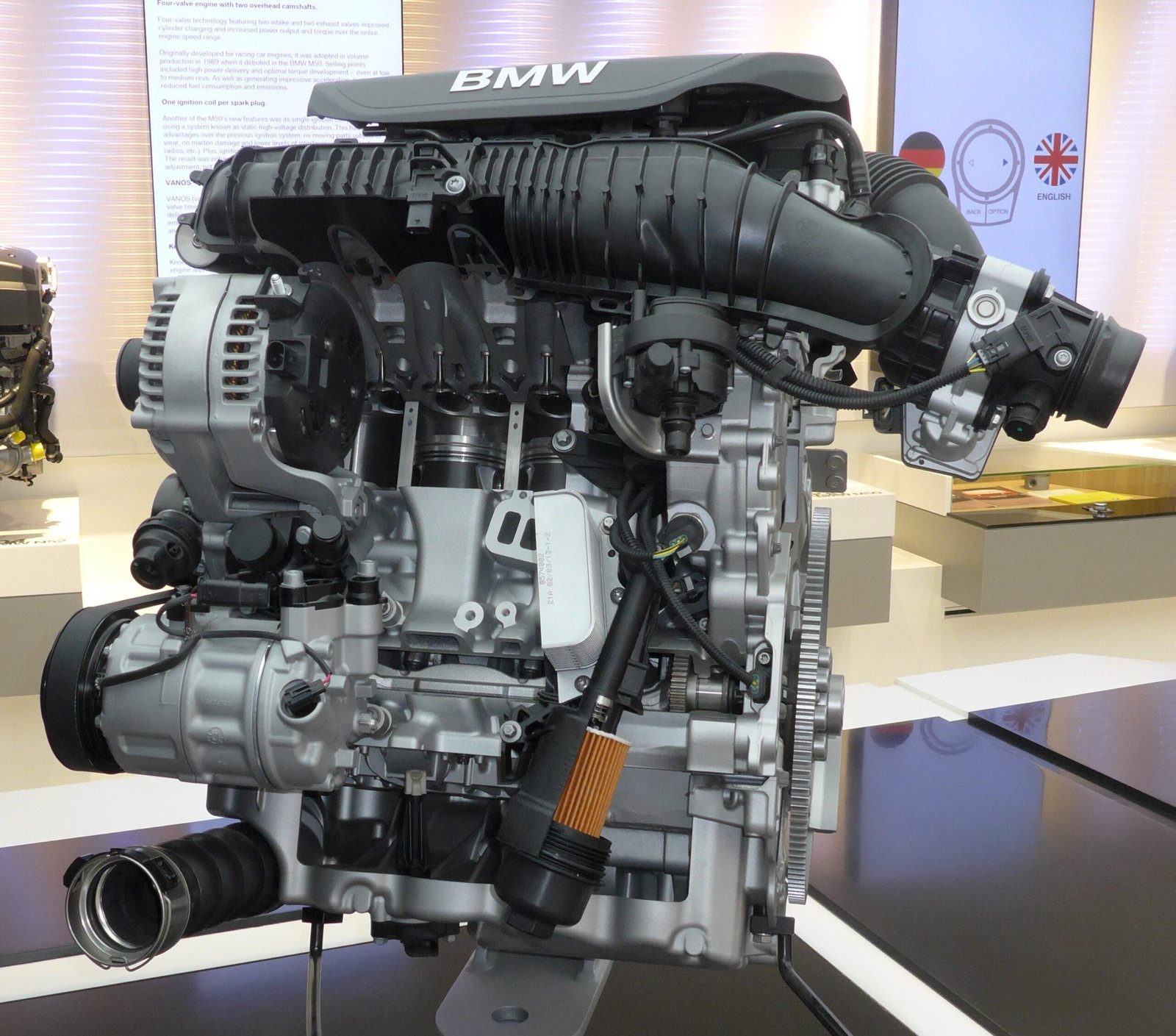
The B48 is a 2.0-litre turbocharged petrol engine found in many modern BMW models, including the 1 Series, 2 Series, 3 Series, and X1. Its advanced direct injection technology delivers fuel directly into the combustion chamber for improved efficiency and performance, but this design means intake valves receive less fuel contact to naturally clean them.
These carbon deposits gradually restrict airflow through the intake ports and can interfere with proper valve sealing. As layers build up, they create rough surfaces that disrupt smooth airflow patterns, reducing the engine’s ability to breathe efficiently and potentially affecting combustion quality.
- Carbon particles naturally form during fuel combustion
- Direct injection systems provide less natural valve cleaning
- Deposits accumulate on intake valves and combustion surfaces
- Restricted airflow reduces engine breathing efficiency

Unlike port fuel injection systems that spray fuel over intake valves (providing natural cleaning), direct injection delivers fuel straight to the combustion chamber. This means intake valves don’t receive the cleaning benefit of fuel contact, making carbon build-up more likely over time.
4 signs of bmw b48 carbon build-up
Recognising the early warning signs of carbon build-up helps you address the issue before it becomes more serious and expensive to resolve. These symptoms often develop gradually, making them easy to dismiss as normal wear, but they indicate that carbon deposits are beginning to affect your engine’s performance.
The first sign many owners notice is rough idling, where the engine feels unsteady or vibrates more than usual when stationary. This happens because carbon deposits on intake valves disrupt smooth airflow, causing uneven combustion that makes the engine work harder to maintain idle speed.
Reduced throttle response is another common indicator, where acceleration feels sluggish or delayed compared to when the car was newer. Carbon build-up restricts the volume of air entering the cylinders, limiting the engine’s ability to produce power efficiently when you press the accelerator.
Engine misfires represent a more serious stage of carbon build-up, where combustion becomes irregular enough to trigger the engine management system. You might feel hesitation during acceleration, notice the engine stumbling, or see warning lights on your dashboard as the system detects combustion problems.
- Rough idling with increased vibration at standstill
- Sluggish throttle response and delayed acceleration
- Engine misfires causing hesitation or stumbling
- Increased fuel consumption without obvious cause

If you experience severe misfires, significant power loss, unusual smoke from the exhaust, or multiple warning lights, stop driving immediately and seek professional assessment. Continuing to drive with serious combustion problems can cause additional engine damage.
- Monitor idle quality – note any new vibrations or roughness
- Pay attention to throttle response during normal driving
- Watch for dashboard warning lights, especially engine management
- Track fuel consumption to identify unusual increases
Diagnostics and cleaning: professional options
Professional diagnosis of carbon build-up typically begins with connecting diagnostic equipment to read engine management data and identify patterns consistent with restricted airflow or combustion irregularities. Specialists look for specific fault codes, live data readings, and performance parameters that indicate carbon-related issues rather than other potential problems.
Visual inspection using borescope cameras allows technicians to directly observe carbon deposits on intake valves and combustion chamber surfaces without disassembling the engine. This non-invasive method provides clear evidence of deposit severity and helps determine the most appropriate cleaning approach for your specific situation.
Compression and leak-down tests help assess whether carbon build-up has affected valve sealing or overall engine health. These measurements establish baseline performance levels and help professionals recommend whether cleaning alone will resolve the issues or if additional work might be needed.
Once diagnosis confirms carbon build-up, professionals can recommend the most suitable cleaning method based on deposit severity, engine condition, and your budget. They’ll explain what each option involves, expected results, and realistic timeframes for completion.
- Diagnostic equipment reads engine management data and fault codes
- Borescope inspection provides visual confirmation of deposits
- Compression testing assesses valve sealing and engine health
- Professional recommendations based on deposit severity
Professional carbon build-up diagnosis typically takes 1-2 hours, including computer diagnostics, visual inspection, and performance testing. This thorough assessment ensures the correct treatment approach and helps avoid unnecessary work or missed issues.
- Request diagnostic scan for fault codes and live data
- Ask for borescope inspection if available
- Get compression test results for baseline performance
- Obtain written estimate before authorising cleaning work
Professional cleaning methods for bmw b48 carbon build-up
Walnut shell blasting represents the most thorough mechanical cleaning method, where crushed walnut shells are propelled through the intake ports to physically remove carbon deposits from valve surfaces. This process requires removing the intake manifold to access the ports directly, but it provides excellent results for heavy carbon build-up without damaging delicate valve surfaces.
Chemical cleaning treatments use specialised solvents designed to dissolve carbon deposits without harming engine components. These treatments can be applied through the intake system or fuel system, depending on the product used, and offer a less invasive approach that doesn’t require significant disassembly.
Hydrogen cleaning is an emerging technology where hydrogen gas is introduced into the running engine to burn off carbon deposits at the molecular level. This method can be performed with the engine assembled and running, making it convenient, though it may be less effective for very heavy deposits compared to mechanical methods.
The choice of cleaning method depends on factors including deposit severity, engine accessibility, available time, and cost considerations. Professionals will recommend the most appropriate approach based on your specific situation and explain what results you can realistically expect from each option.
- Walnut blasting physically removes deposits through mechanical action
- Chemical treatments dissolve carbon using specialised solvents
- Hydrogen cleaning burns off deposits while engine runs
- Method selection depends on severity and practical considerations
Attempting to clean carbon deposits yourself using harsh solvents, manual scraping, or unproven methods can damage intake valves, seals, or other engine components. Professional cleaning ensures safe, effective removal without risking expensive damage to your engine.
- Research cleaning method options with your chosen specialist
- Understand expected results and timeframes for each approach
- Confirm warranty coverage for cleaning work performed
- Schedule cleaning during a convenient period for longer methods
Prevention and maintenance for UK owners
Regular motorway driving helps prevent carbon build-up by allowing the engine to reach full operating temperature and higher RPMs that can help burn off light deposits before they become established. UK owners should try to include some longer, sustained drives rather than only short urban journeys that don’t fully warm the engine.
Using quality fuel from reputable suppliers provides better detergent packages that help keep fuel systems cleaner and reduce deposit formation. While premium fuels cost more, they often contain enhanced cleaning additives that can help maintain engine cleanliness over time, particularly beneficial for direct injection engines.
Following BMW’s service schedule ensures regular oil changes with appropriate specifications, as clean oil reduces the formation of combustion byproducts that contribute to carbon deposits. Fresh oil also maintains better lubrication properties that help engine components operate efficiently and cleanly.
Periodic professional inspections allow specialists to monitor carbon accumulation trends and recommend cleaning before deposits become severe enough to cause noticeable symptoms. Early intervention is typically less expensive and more effective than waiting until problems develop.
- Include regular motorway drives to reach full operating temperature
- Use quality fuel with enhanced detergent packages
- Maintain BMW service schedule for timely oil changes
- Schedule periodic inspections to monitor deposit accumulation
Major UK fuel suppliers like Shell, BP, and Esso offer premium petrol grades with enhanced cleaning additives. While more expensive, these fuels can help maintain engine cleanliness and may extend intervals between carbon cleaning services, particularly in direct injection engines.
- Plan weekly motorway drives when possible
- Choose reputable fuel suppliers with quality additives
- Follow manufacturer oil change intervals strictly
- Book annual carbon build-up inspections for high-mileage vehicles
Conclusion: Protecting performance with proactive carbon care
bmw b48 carbon build-up is a manageable issue when addressed proactively through professional diagnosis and appropriate cleaning methods. Understanding the warning signs—rough idling, reduced throttle response, misfires, and increased fuel consumption—helps you identify problems early when they’re easier and less expensive to resolve.
Professional cleaning options like walnut blasting, chemical treatments, or hydrogen cleaning provide safe, effective removal of carbon deposits without the risks associated with DIY approaches. Choosing the right method depends on deposit severity and your specific circumstances, but all professional approaches offer better results than attempting cleaning yourself.
Prevention through regular motorway driving, quality fuel use, and adherence to service schedules helps minimise future carbon accumulation. Combined with periodic professional inspections, these practices help maintain your B48 engine’s performance and reliability throughout its service life, protecting your investment and ensuring continued driving enjoyment.
Key points
- bmw b48 carbon build-up can reduce airflow, cause misfires and power loss if not addressed.
- Professional diagnostics and carbon cleaning offer safe, effective removal compared with risky DIY approaches.
- Regular maintenance and monitoring help prevent recurrence for UK owners.
- If you notice rough idling, misfires, or reduced power, seek a professional assessment promptly.
Frequently asked questions
What causes carbon build-up on the BMW B48 engine?
Carbon build-up occurs when carbon particles accumulate on intake valves and combustion surfaces over time. The B48 uses direct fuel injection, which means fuel doesn’t wash away residues as it does with older designs, so deposits can form more quickly. If allowed to grow, these deposits can restrict airflow and affect combustion, reducing performance.
What early signs should I look out for?
Rough idling and noticeable vibrations at idle are common early signs. You may also experience slower throttle response and delayed acceleration. In some cases the engine may misfire, or a warning light may illuminate on the dashboard.
Why is carbon build-up a problem for performance?
It narrows the intake passages, reducing how freely the engine can breathe. This can lead to misfires, rough running, and higher fuel consumption. If left untreated, performance and efficiency can decline and repairs may be more costly.
What professional cleaning options are available?
Experts use methods such as walnut blasting, chemical cleaners, or hydrogen cleaning. Walnut blasting physically removes deposits but requires removing the intake manifold. Chemical cleaners offer a less invasive option, while hydrogen cleaning can work with the engine running.
How can I prevent carbon build-up in future?
Regular motorway driving helps the engine reach full operating temperature and burn off light deposits. Use quality fuel with strong detergents and keep to BMW’s service schedule for oil changes. Periodic professional inspections can monitor build-up trends and catch problems early.
Get expert help with your BMW B48 carbon build-up from Apexx Engines
Our UK-based engineers diagnose and clean carbon deposits safely, helping restore performance and peace of mind.
This article is for general information only and is not a substitute for a professional mechanical inspection or diagnosis. Always consult a qualified technician and obtain a proper assessment before making repair decisions.
Recent Posts