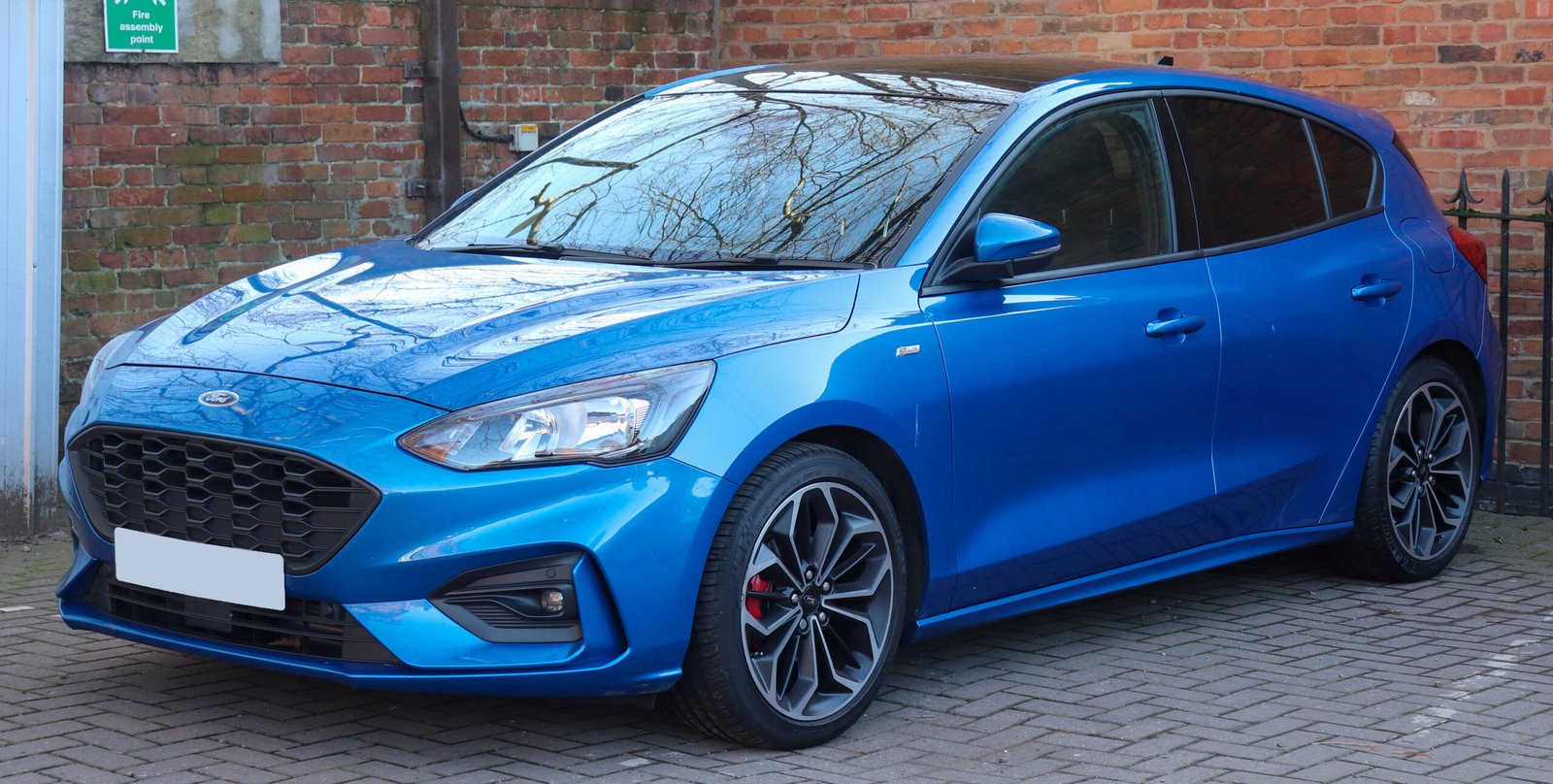
4 Signs Your Ford Focus RS 2.3 EcoBoost Turbo Is Failing (And How to Fix It)
Turbo trouble can derail your daily drive—spot the signs early with this plain-English guide.
Introduction
If you drive a Ford Focus RS with the 2.3 EcoBoost engine, the thought of ford focus rs 2.3 ecoboost turbo problems can be stressful. This guide helps you spot ford focus rs 2.3 ecoboost turbo problems early, so you can act without risking a breakdown.
This article is written for UK readers, with practical, non-technical guidance to help you understand the signs, the importance of diagnostics, and the options for safe reconditioning.
By the end of this guide, you’ll know when to seek professional help and how to approach a diagnostic with confidence.
Ford Focus RS 2.3 EcoBoost Turbo Problems: Four Signs Your Turbo Is Failing
The Ford Focus RS with the 2.3 EcoBoost engine can show four clear warning signs when the turbo starts to fail. Recognising these early helps you avoid unexpected breakdowns and costly repairs.
1) Loss of boost or reduced acceleration: you may notice the car feels flat at higher speeds or struggles to maintain speed even when you press the accelerator firmly. This usually points to a leak, worn seals, or a failing wastegate.
2) Excessive exhaust smoke: blue- or dark-grey smoke can indicate oil consumption through the turbo seals or a problem with the PCV or catch can. It’s not normal and warrants a diagnostic check.
3) Abnormal noises: a whining, grinding, or fluttering noise from the turbo area, especially on boost, is a common early sign of wear or bearing damage.
4) Frequent misfires or rough running: if the engine misfires under load or you notice rough running and reduced torque, the turbo system could be contributing to imbalanced air delivery and faulty fuel management.
- Loss of boost or sluggish acceleration
- exhaust smoke indicating oil ingress
- Unusual turbo whine, fluttering or grinding noises
- Frequent misfire or rough running under load

If you notice any of these signs, arrange a professional diagnostic promptly. Do not ignore symptoms, as turbo or engine damage can quickly worsen.
- [object Object]
How the 2.3 EcoBoost Turbo Should Work in the Focus RS
The 2.3 EcoBoost turbo is driven by exhaust gases and uses a small turbine to compress air before it enters the engine. This helps the engine breathe more efficiently, delivering more power without a large fuel penalty.
In normal driving, you should feel a predictable and responsive boost response, with the turbo spinning up smoothly as you apply throttle. Boost pressure rises with RPM and speed, and the engine remains controlled and quiet at low loads.
Early trouble often shows as either a lag before boost builds, a sudden change in exhaust note, or inconsistent boost readings during acceleration. Monitoring your boost gauge, or a diagnostic readout, can help spot these issues before they worsen.
- Turbo relies on exhaust pressure to spin a turbine
- Compressed air improves power and efficiency
- Normal boost is responsive and gradual, not abrupt
Boost behaviour should be steady; sudden leaps or no boost at all are early warning signs.
DIY Checks: Safe, Quick Diagnostics You Can Do
Before booking diagnostics, you can perform a few straightforward checks to gauge whether a professional assessment is needed urgently. Always prioritise safety and ensure the engine is cool before touching any components.
Start by observing how the car responds to throttle input. If boost seems slow to respond or does not rise consistently with engine speed, note the rpm range where this happens.
- Check boost response across a range of engine speeds
- Inspect exhaust for colour and smoke type (blue/black smoke is not normal)
- Listen for unusual turbo-related noises (whine, flutter, grinding)
- Check for warning lights on the dash and any diagnostic fault codes
Only perform checks where you are confident and away from hot components. If in any doubt, stop and seek professional help.
- [object Object]
Diagnostics and professional reconditioning: what to expect
A qualified technician will start with a full examination of the turbo system, looking for boost consistency, leaks, and signs of wear. They will review sensor data such as boost pressure, air temperature, and exhaust readings to build a picture of air delivery and engine response.
Common issues include boost leaks from hoses or intercoolers, faulty turbo seals allowing oil to pass into the intake, worn bearings, or a failing wastegate actuator. The technician may perform a smoke test to identify leaks and use a diagnostic scanner to correlate sensor readings with engine loading.
If a problem is confirmed, there are serious reconditioning options. A turbo rebuild, a cartridge or bearing replacement, or a full unit swap may be advised, depending on wear, access and cost. The aim is to restore reliable boost, efficiency, and map stability without compromising engine health.
Choose a reputable UK workshop with experience in forced induction systems and genuine OEM parts.
Prevention and care for the EcoBoost turbo
Beyond immediate repairs, keeping the EcoBoost turbo healthy comes down to consistent maintenance and sensible driving. Regular oil changes with the correct specification, and ensuring the engine air intake remains clean, help the turbo breathe easily.
- Stick to the manufacturer’s service intervals for oil changes
- Use the correct grade of engine oil as specified for the Focus RS
- Keep the air intake clean and free of debris
- Avoid aggressive driving and allow the engine to warm up and cool down properly
Regular servicing helps detect wear early and prevent oil leaks into the turbo.
Conclusion: Rebuild trust in your Focus RS with expert diagnostics
Turbo issues can feel daunting, but with timely diagnostics and reputable reconditioning, the Focus RS can return to dependable performance. Prioritise professional assessment if you notice persistent symptoms, and follow up with regular maintenance to sustain reliability.
By choosing a qualified UK workshop, you can protect your engine and maintain driveability, knowing you have taken sensible, informed steps to safeguard your investment.
If you notice any signs of turbo trouble, book a diagnostic with a qualified UK technician as soon as possible.
Conclusion: Rebuild trust in your Focus RS with expert diagnostics
Turbo issues can feel daunting, but with timely diagnostics and reputable reconditioning, the Focus RS can return to dependable performance. Prioritise professional assessment if you notice persistent symptoms, and follow up with regular maintenance to sustain reliability.
By choosing a qualified UK workshop, you can protect your engine and maintain driveability, knowing you have taken sensible, informed steps to safeguard your investment.
Key points
- ford focus rs 2.3 ecoboost turbo problems can be identified early through four clear signs.
- Seeking prompt diagnostics from a qualified UK workshop helps prevent costly engine damage.
- Understanding how the 2.3 EcoBoost turbo should behave makes misdiagnosis less likely.
- Professional reconditioning can restore performance and reliability when turbo components wear.
- Regular checks and maintenance reduce the risk of ford focus rs 2.3 ecoboost turbo problems recurring.
Frequently asked questions
What are the most common signs that the Ford Focus RS 2.3 EcoBoost turbo is failing?
The four signs to watch for are loss of boost or sluggish acceleration, excessive exhaust smoke, unusual turbo noises, and frequent engine misfires under load. These symptoms often point to issues with seals, leaks, worn bearings, or a failing wastegate. If you notice any of these, arrange a professional diagnostic promptly.
Is it safe to keep driving if I suspect turbo trouble?
If you experience a sudden loss of boost or a loud turbo whine, pull over safely and stop driving. Continuing to drive can cause further engine damage and higher repair costs. Seek a professional diagnostic as soon as possible.
What can I expect from a professional diagnostic for a turbo problem?
A UK technician will inspect the turbo system for leaks, test boost pressure, and review sensor data. They may perform a smoke test to locate leaks and use a diagnostic scanner to correlate readings with engine load. The aim is to confirm the cause and guide reconditioning options.
What are the typical reconditioning options if the turbo is worn?
Options include a turbo rebuild, bearing or cartridge replacement, or a full unit swap, depending on wear, access and cost. Genuine OEM parts are preferred for reliability. A technician will advise the best path based on inspection results.
How can I prevent turbo problems in the Focus RS?
Stick to the manufacturer’s service intervals for oil changes and use the correct oil specification. Keep the air intake clean and avoid aggressive driving; allow the engine to warm up and cool down properly.
Restore your Focus RS's turbo health with Apexx Engines
Our UK-based experts diagnose and recondition turbo systems to restore reliability. Get in touch for a professional assessment and tailored rebuild options.
This article is for general information only and is not a substitute for a professional mechanical inspection or diagnosis. Always consult a qualified technician and obtain a proper assessment before making repair decisions.
Recent Posts