Before Buying a Used Vauxhall Insignia 2.0 CDTI: 5 Engine Problems to Spot
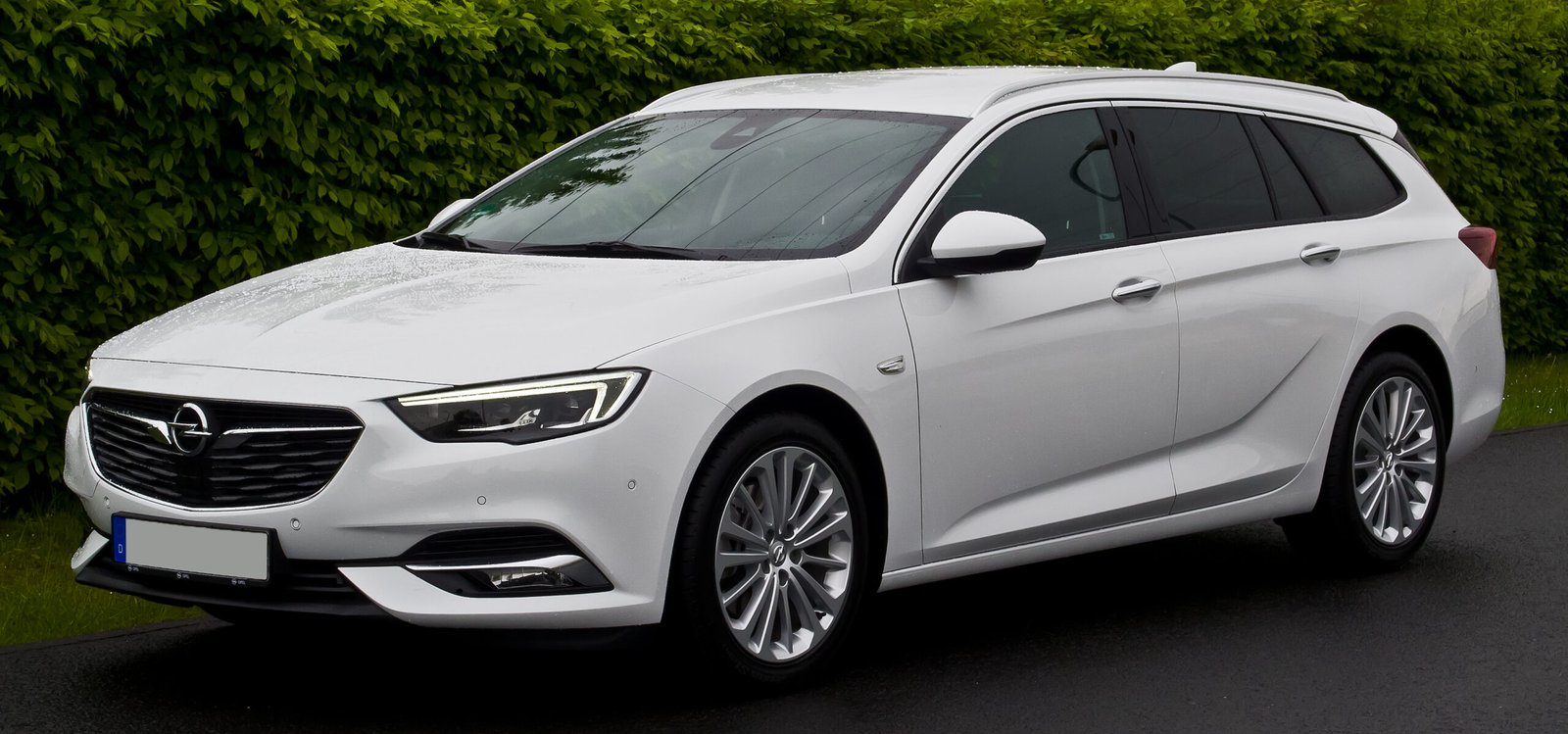
Before Buying a Used Vauxhall Insignia 2.0 CDTI: 5 Engine Problems to Spot
A single overlooked fault among Vauxhall Insignia 2.0 CDTI engine problems could lead to a costly engine rebuild costing thousands of pounds before you’ve even enjoyed your new used Vauxhall Insignia.
Buying a Used Vauxhall Insignia 2.0 CDTI: What You Need to Know
The Vauxhall Insignia 2.0 CDTI is a favourite among UK used car buyers for its blend of space, economy, and performance, but Vauxhall Insignia 2.0 CDTI engine problems can quickly erode that value with hefty repair costs.
From catastrophic timing chain failures to sneaky DPF issues, these common diesel engine faults affect high-mileage models from 2008-2017, often catching unwary buyers off guard.
This guide arms you with the knowledge to identify the top 5 issues during test drives and inspections, helping you negotiate or avoid problematic cars altogether.
Top 5 Vauxhall Insignia 2.0 CDTI Engine Problems
When considering a used Vauxhall Insignia 2.0 CDTI, it’s essential to be aware of the most common Vauxhall Insignia 2.0 CDTI engine problems that can turn a bargain into a financial burden. These diesel engines, particularly the A20DTH variants, are reliable when maintained properly, but neglect leads to expensive failures.
The top five issues buyers should watch for include timing chain stretch, swirl flap failure, DPF blockages, oil dilution, and turbocharger problems. Each can result in significant repair bills if not spotted early during your pre-purchase checks.
Timing chain issues often lead to catastrophic engine damage, while swirl flaps pose risks of debris entering the cylinders. DPF problems are exacerbated by urban driving, oil dilution reduces lubrication, and turbo failures cut power dramatically. Understanding these helps you make an informed decision.
- Timing chain stretch: Rattling noises and potential valve damage.
- Swirl flap failure: Power loss and cylinder scoring.
- DPF blockages: Limp mode and high fuel use.
- Oil dilution: Engine wear from contaminated lubricant.
- Turbocharger failure: Loss of boost and smoke.
1. Timing Chain Stretch and Failure
The timing chain in the Vauxhall Insignia 2.0 CDTI is a critical component that synchronises the crankshaft and camshaft. Unfortunately, premature stretching is one of the most notorious Vauxhall Insignia 2.0 CDTI engine problems, often due to inadequate lubrication from infrequent oil changes or poor-quality oil.
Affected models, especially those from 2008 to 2017 with over 100,000 miles, suffer from stretched chain guides and tensioners. If ignored, the chain can skip teeth or snap, leading to bent valves, piston damage, and a seized engine – a repair that costs thousands of pounds.
Spot it early with a cold start: listen for a diesel-like rattle from the front of the engine that fades as it warms up. Erratic idling, check engine light with codes like P0016, or metal shavings in the oil are red flags. Always review service history for changes every 10,000 miles using the correct spec oil.
- Cold start rattle lasting over 5 seconds.
- Check engine light (P0011, P0016, P0017).
- Chain noise under acceleration.
- Incomplete service records.

A snapped timing chain can destroy the engine completely. Stop driving if you hear persistent rattling and seek professional diagnosis immediately.
- Perform cold start test in a quiet area.
- Use OBD scanner for timing-related codes.
- Inspect oil filter for metal debris.
2. Swirl Flap Failure
Swirl flaps in the intake manifold improve low-speed torque but are a weak point in Vauxhall Insignia 2.0 CDTI engines. Made of plastic, they can break apart over time, especially in higher-mileage cars, sending debris into the cylinders and scoring the bores.
Symptoms include sudden power loss, rough idling, misfires, and sometimes a check engine light. You might notice metal particles in the oil or a gritty feel when checking the dipstick. During a test drive, rev the engine under load to check for hesitation.
Many owners opt for preventative removal of the flaps, which is a relatively straightforward modification. Repairs for damaged cylinders can be far more expensive, running into thousands if a full rebuild is needed.
- Rough running or misfires.
- Sudden loss of power.
- Debris in oil or filter.
- Smoke from exhaust on acceleration.

Consider swirl flap deletion kits for long-term reliability; they improve airflow without compromising emissions significantly.
- Rev engine to 3,000 RPM in neutral and listen.
- Check service history for intake manifold work.
- Scan for misfire codes (P0300 series).
3. DPF Blockages and Regeneration Issues
The Diesel Particulate Filter (DPF) traps soot to meet emissions standards, but in Vauxhall Insignia 2.0 CDTI models, it often clogs due to short urban journeys that prevent passive regeneration. This leads to frequent forced regens, limp mode, and dashboard warnings.
Common signs are reduced power, increased fuel consumption, acrid smoke on acceleration, and the DPF light illuminating. High-mileage cars or those used mainly for city driving are most at risk. Regeneration requires sustained motorway speeds, so check how the previous owner drove.
A diagnostic scan will reveal backpressure faults or regen counts. Cleaning is cheaper than replacement, but repeated issues signal deeper problems like faulty injectors or sensors.
- DPF warning light on dash.
- Limp mode (reduced power).
- Frequent regeneration cycles (fan noise, smell).
- Poor MPG despite regular servicing.
Driving with a blocked DPF can damage the engine and exhaust system. If limp mode activates, pull over safely and do not continue.
- Ask about driving habits (motorway vs city).
- Force a regen during test drive if possible.
- OBD scan for P2459 or DPF pressure codes.
4. Oil Dilution
Oil dilution occurs when excess fuel from repeated DPF regenerations mixes with the engine oil in the Vauxhall Insignia 2.0 CDTI, thinning it and compromising lubrication. This accelerates wear on bearings, camshafts, and other components.
Check the dipstick: diluted oil smells of diesel, appears thinner or milky, and the level may rise between changes. It’s worse in cars doing lots of short trips. Regular long drives help burn off excess fuel, and more frequent oil changes (every 5,000-10,000 miles) mitigate the issue.
Ignoring it leads to sludge buildup and premature engine failure. Always verify oil condition and service intervals during inspection.
- Diesel smell from oil filler.
- Rising oil level on dipstick.
- Thin, frothy oil texture.
- Overheating or low pressure warnings.
Change oil more frequently if the car is used for short trips. Use fully synthetic oil meeting Vauxhall specs (e.g., 5W-30 Dexos 2).
- Smell and visually inspect oil.
- Check service book for intervals.
- Monitor oil pressure gauge during test.
5. Turbocharger Failure
The turbocharger boosts performance in the 2.0 CDTI but fails commonly over 100,000 miles due to oil starvation, carbon buildup, or actuator issues. Vauxhall Insignia 2.0 CDTI engine problems here manifest as loss of power, whistling noises, blue smoke, or excessive exhaust smoke.
Listen for rattling at idle (wastegate rattle), feel for shaft play by hand (with engine off), and test boost under hard acceleration. A failing turbo contaminates the engine with oil via seals.
Rebuilds are possible and cheaper than new units, but neglect can damage the engine further.
- Whistling or surging power.
- Blue smoke on startup.
- Lack of turbo spool-up.
- Oil in intercooler pipes.
A failing turbo can lead to sudden power loss on motorways. Test boost carefully during drive.
- Hard acceleration test from 2,000 RPM.
- Check for oil residue around turbo.
- Scan for boost pressure faults (P0299).
Pre-Purchase Inspection Tips to Spot These Issues
Armed with knowledge of Vauxhall Insignia 2.0 CDTI engine problems, follow this pre-purchase routine to uncover hidden faults. Start with a visual check, progress to cold start, test drive, and diagnostics. Involve a trusted mechanic for high-stakes buys.
Key questions for the seller: service history, mileage confirmation, prior repairs, and driving patterns. Walk away from cars with missing records, active warning lights, or evasive answers.
These steps empower you to negotiate better or choose a safer option, ensuring your used Insignia delivers years of trouble-free motoring.
- Review full service history and MOTs.
- Cold start in quiet spot for noises.
- Aggressive test drive: motorway, hills, stops.
- OBD scan all modules.
- Oil, coolant, belts visual check.
- Professional pre-purchase inspection.
Budget for an independent inspection (£100-£200) – it could save thousands.
- Confirm service every 10k miles with correct oil.
- No active check engine or DPF lights.
- Oil level and condition good.
- No unusual noises or smoke.
- Passes all test drive checks.
Conclusion: Buy Your Insignia with Confidence
Spotting Vauxhall Insignia 2.0 CDTI engine problems early transforms buying a used Insignia from a gamble into a smart investment. By following our diagnostic tips, checklists, and warnings, you’ll avoid cars needing major engine work.
Opt for well-maintained examples with full history, and consider professional inspections. If issues arise post-purchase, specialist reconditioning can restore reliability without the full cost of a new engine.
Drive away in your Insignia knowing you’ve dodged the common pitfalls – safer roads ahead.
Key points
- Prioritise comprehensive checks for Vauxhall Insignia 2.0 CDTI engine problems to avoid thousands in repairs.
- Always perform a cold start test and listen for timing chain rattle.
- Scan for DPF and engine codes with an OBD tool before purchase.
- Inspect oil condition and service records diligently.
- Test drive aggressively to reveal power loss from swirl flaps or turbo issues.
- Consult a specialist for high-mileage examples to assess overall engine health.
Frequently asked questions
What are the most common engine problems in a used Vauxhall Insignia 2.0 CDTI?
The top issues include timing chain stretch, swirl flap failure, DPF blockages, oil dilution, and turbocharger problems. These can lead to major repairs if not spotted early. Checking during a test drive and inspection helps avoid costly surprises.
How can I spot a stretched timing chain on a Vauxhall Insignia 2.0 CDTI?
Listen for a rattling noise from the front of the engine on a cold start, lasting over 5 seconds. Look for check engine lights with codes like P0016 or metal in the oil. Always review service history for regular oil changes.
What are the signs of swirl flap failure?
Symptoms include rough idling, power loss, misfires, and debris in the oil. Rev the engine during a test to check for hesitation. Preventative removal is a common fix to avoid cylinder damage.
Why does the DPF clog in Insignia 2.0 CDTI and what to do?
Short urban trips prevent regeneration, causing blockages and limp mode. Signs are DPF lights, poor MPG, and smoke. Ask about driving habits and scan for codes during inspection.
How do I check for oil dilution?
Smell the dipstick for diesel, check if oil is thin or milky, and note rising levels. It’s common from DPF regens in short-trip cars. Change oil more frequently to mitigate.
Is a high-mileage Vauxhall Insignia 2.0 CDTI worth buying?
Yes, if well-maintained with full service history and no warning lights. Perform thorough checks for the common faults. A professional inspection is recommended for peace of mind.
Don't Risk It – Get Expert Vauxhall Insignia Diagnostics
At Apexx Engines, our specialists can inspect your potential purchase or fix existing issues with precision reconditioning. Contact us today for reliable advice and services tailored to UK motorists.
This article is for general information only and is not a substitute for a professional mechanical inspection or diagnosis. Always consult a qualified technician and obtain a proper assessment before making repair decisions.
Recent Posts