4 Signs Your Vauxhall Insignia Swirl Flap Is Failing (And How to Fix It)
4 Signs Your Vauxhall Insignia Swirl Flap Is Failing (And How to Fix It)
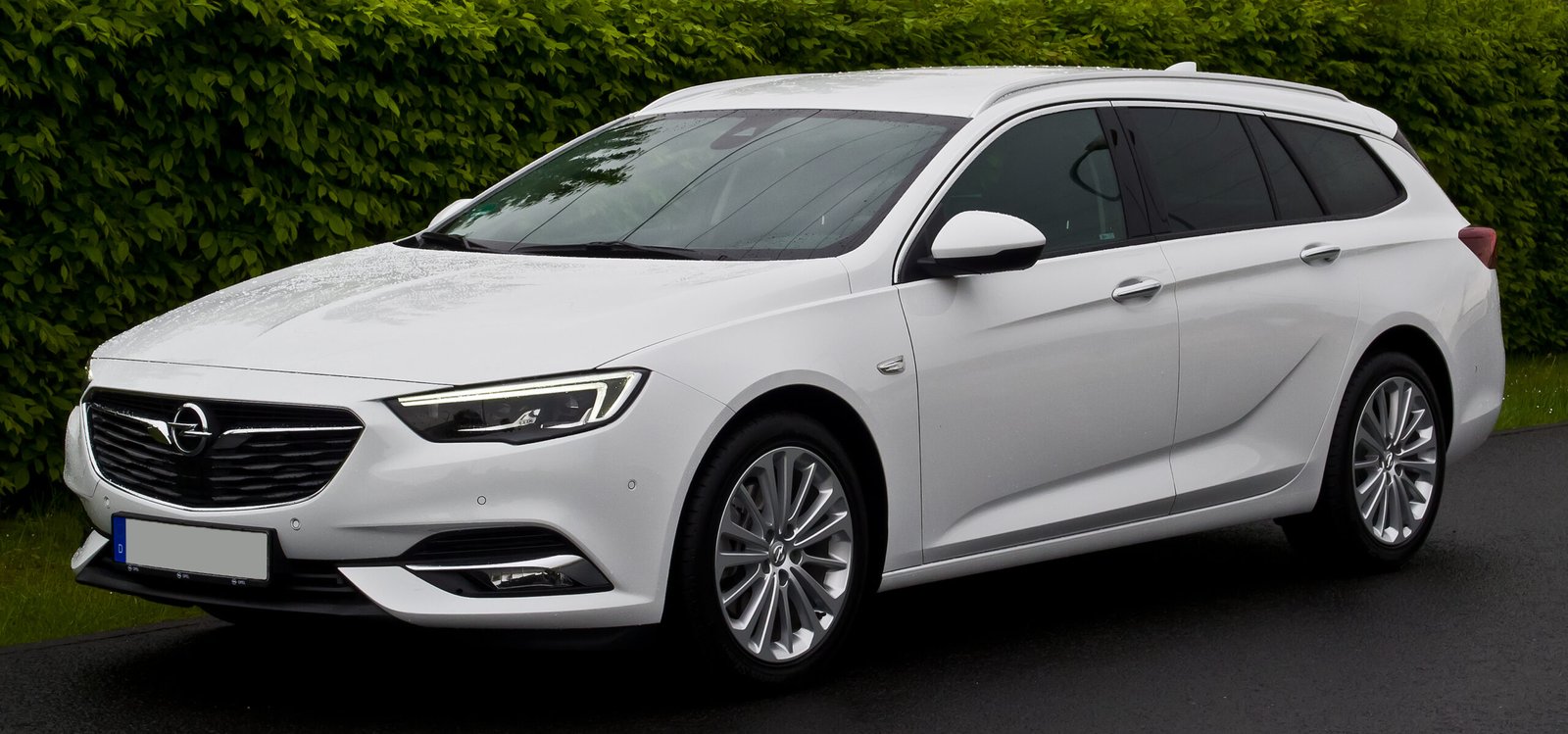
Is your Vauxhall Insignia diesel engine misfiring and shaking at idle? This could be vauxhall insignia swirl flap failure – a common yet fixable problem for UK drivers.
Vauxhall Insignia Swirl Flap Failure: What You Need to Know
Vauxhall insignia swirl flap failure is a prevalent issue in 2.0 diesel models, disrupting intake airflow and leading to rough performance that affects everyday driving and MOT compliance. These small flaps in the intake manifold create swirl for optimal fuel mix, but carbon buildup and wear cause them to jam or snap off.
Recognising the signs early can prevent escalation to DPF blockages, turbo strain, and expensive engine damage, saving you time and money while keeping you safe on UK roads.
In this guide, we detail the four key symptoms, underlying causes, potential risks, and reliable repair options through professional engine reconditioning.
Sign 1: Rough Idling and Engine Vibrations
One of the earliest and most noticeable signs of vauxhall insignia swirl flap failure is rough idling accompanied by engine vibrations. When the swirl flaps in your 2.0 CDTI diesel engine stick or fail to move properly, they disrupt the smooth airflow into the cylinders at low speeds. This leads to uneven combustion, making the engine feel like it’s struggling or misfiring while stationary.
Owners often describe it as the car ‘shaking like it’s got a problem’ at traffic lights, roundabouts, or during cold starts. This symptom can worsen over time, potentially leading to stalling, and it’s frequently mistaken for issues with injectors or spark plugs – though in diesel engines like the Insignia, swirl flaps are a prime suspect.
If left unchecked, these vibrations stress engine mounts and other components, amplifying wear. Pay attention if your Insignia feels unstable at idle; it’s urging you to investigate further.
- Intense shaking or juddering when the engine is idling.
- Rough running that improves slightly at higher revs.
- More pronounced during cold mornings or after short trips.
- Occasional stalling, especially in stop-start traffic.
Sign 2: Noticeable Loss of Engine Power
A clear indicator of vauxhall insignia swirl flap failure is a noticeable loss of engine power, particularly during acceleration. Faulty flaps restrict the air supply to the engine, reducing the turbo boost and making your Insignia feel sluggish, especially on motorways or uphill climbs.
This power deficit isn’t just frustrating; it compromises safety when you need quick acceleration to merge onto busy A-roads or overtake. Drivers report the car struggling to exceed 70 mph comfortably or hesitating under load, often triggering limp mode as a protective measure.
This symptom ties into broader diesel woes, as poor airflow strains the turbocharger and EGR system, potentially leading to compounded failures if not addressed promptly.
- Hesitation or lack of response when pressing the accelerator.
- Reduced top speed and poor overtaking ability.
- Sluggish performance on hills or under load.
- Frequent activation of limp mode during drives.
Sign 3: Excessive Black Smoke from the Exhaust
Excessive black smoke billowing from the exhaust is a stark visual sign of vauxhall insignia swirl flap failure. When flaps fail to create proper swirl, fuel doesn’t burn completely, producing unburnt particles that exit as thick, black soot – especially visible during acceleration or hard driving.
This not only increases fuel consumption but also overloads the Diesel Particulate Filter (DPF), risking blockages and MOT emissions failures under strict UK regulations. Higher emissions also mean dirtier air for you and fellow road users.
Spotting this smoke early is crucial, as it signals inefficient combustion that can accelerate wear on other components like the injectors and catalyst.
- Thick black smoke on acceleration or throttle.
- Increased fuel usage without changes in driving habits.
- Strong diesel smell from the exhaust.
- DPF warning light potentially illuminating soon after.
Sign 4: Dashboard Warning Lights and Limp Mode
Dashboard warning lights, particularly the check engine light, are a definitive sign of vauxhall insignia swirl flap failure. The engine control unit (ECU) detects irregular airflow, misfires, or emission spikes caused by faulty flaps, illuminating lights and often engaging limp mode to protect the engine.
Limp mode caps power and revs, making driving laboured and unsafe, especially on faster roads. Common fault codes (like P2014 or P2015) point directly to intake manifold or swirl flap issues in Vauxhall diagnostics.
Don’t ignore these lights – they demand an OBD scan from a specialist to confirm the root cause and prevent further damage.
- Check engine light (amber or red).
- Glow plug or emissions management light.
- Limp mode reducing speed to around 50-60 mph.
- Stored fault codes related to airflow or manifold.

P2014/P2015: Intake manifold flap issues. P0101: Mass airflow sensor errors often linked to swirl flaps.
Causes of Vauxhall Insignia Swirl Flap Failure
Vauxhall insignia swirl flap failure primarily stems from carbon soot accumulation due to EGR recirculation and incomplete DPF regeneration from short urban trips. Over time, this sticky residue causes the plastic flaps to jam in position or vibrate loose from their actuators.
High-mileage 2.0 CDTI engines are particularly prone, exacerbated by poor-quality fuel, neglected oil changes, or infrequent long drives needed for DPF cleaning. Mechanical wear from flap arms snapping under stress completes the failure cycle.
Understanding these causes highlights the importance of proactive servicing to mitigate risks in modern diesel designs.
- Heavy carbon buildup from EGR gases.
- Short journeys preventing DPF regeneration.
- Poor maintenance or skipped services.
- Low-quality fuel leading to incomplete combustion.
- High mileage (over 100,000 miles).
Risks of Ignoring Swirl Flap Failure
Ignoring vauxhall insignia swirl flap failure invites severe repercussions, from engine damage to safety hazards. Broken flap fragments can enter cylinders, scoring pistons or valves, while restricted airflow strains the turbo and DPF, leading to costly cascading failures.
Financially, repairs escalate from a few hundred for manifold work to thousands for full engine rebuilds. Legally, failed MOT emissions and unsafe limp mode power loss risk fines or points on your licence.
Prioritise safety: stop driving if symptoms are acute to avoid motorway breakdowns or accidents.
- Catastrophic engine damage from debris.
- Turbocharger and DPF failure.
- MOT emissions test failure.
- Increased fuel costs and breakdown risks.
- Reduced resale value due to fault history.

Stop driving if severe rough idling, power loss, or warning lights appear. Risks include sudden stalling on busy roads and component debris causing irreparable harm.
How to Fix Vauxhall Insignia Swirl Flap Failure
Fixing vauxhall insignia swirl flap failure begins with professional OBD diagnostics to pinpoint the issue accurately. Cleaning may suffice for early sticking, but jammed or broken flaps often require intake manifold removal and replacement with reinforced aftermarket or reconditioned units.
Engine reconditioning specialists disassemble, clean, inspect, and refit components to OEM standards, restoring performance economically without new engine costs. Post-repair, updated maintenance ensures longevity.
Avoid DIY attempts due to complexity; trust UK-wide experts for guaranteed results and warranties.
- Diagnostic scan confirms fault codes.
- Manifold removal and flap inspection/replacement.
- Thorough cleaning of EGR and intake.
- Professional reconditioning for durability.
- Follow-up DPF regen and test drive.
Cost-effective vs new parts. Full inspection prevents related issues. UK delivery and fitting available. Improved reliability for high-mileage Insignias.
Key points
- Vauxhall insignia swirl flap failure shows through rough idling, power loss, black smoke, and warning lights – don’t ignore these signs.
- Causes like carbon buildup and poor maintenance can lead to serious engine damage if not addressed promptly.
- Driving with faults risks safety, MOT failure, and escalating costs; stop immediately for severe symptoms.
- Professional diagnostics and engine reconditioning offer reliable, UK-wide fixes superior to temporary patches.
- Regular servicing prevents swirl flap problems and maintains optimal diesel performance.
Frequently asked questions
What are the main signs of Vauxhall Insignia swirl flap failure?
The key signs include rough idling and engine vibrations at standstill, noticeable loss of power during acceleration, excessive black smoke from the exhaust, and dashboard warning lights such as the check engine light. These symptoms arise from disrupted airflow in the intake manifold, often leading to limp mode and potential MOT issues for UK drivers.
Is it safe to keep driving with swirl flap problems in my Vauxhall Insignia?
It’s not safe to continue driving if you notice severe rough idling, significant power loss, or warning lights, as these can lead to sudden stalling, reduced control on motorways, or engine damage from debris. For milder symptoms, seek professional diagnostics promptly to avoid escalating risks and ensure compliance with UK road safety standards.
Can swirl flaps be cleaned rather than replaced?
Early-stage sticking due to carbon buildup might be resolved through professional cleaning of the intake manifold and EGR system, but jammed or broken flaps usually require replacement with reinforced parts during reconditioning. The best approach depends on the damage level, confirmed by an OBD scan from a diesel specialist.
How long does it take to fix Vauxhall Insignia swirl flap failure?
Repair times vary based on the extent of the issue and workshop workload, but diagnostics can be done same-day, while manifold removal, cleaning, or replacement typically takes 1-3 days including testing. Engine reconditioning specialists offer efficient UK-wide services to minimise downtime.
Will fixing the swirl flaps prevent DPF blockages?
Addressing swirl flap failure improves combustion efficiency, reducing soot production that overloads the DPF, but it doesn’t eliminate the need for proper maintenance like regular long drives for regeneration. Combined with EGR cleaning, it significantly lowers the risk of blockages and MOT emissions failures.
Spot These Signs in Your Insignia?
Don’t risk further damage or MOT failure – get a professional diagnostic from Apexx Engines today. We’ll provide a tailored assessment and quote for reliable reconditioning to restore your diesel performance.
This article is for general information only and is not a substitute for a professional mechanical inspection or diagnosis. Always consult a qualified technician and obtain a proper assessment before making repair decisions.
Recent Posts