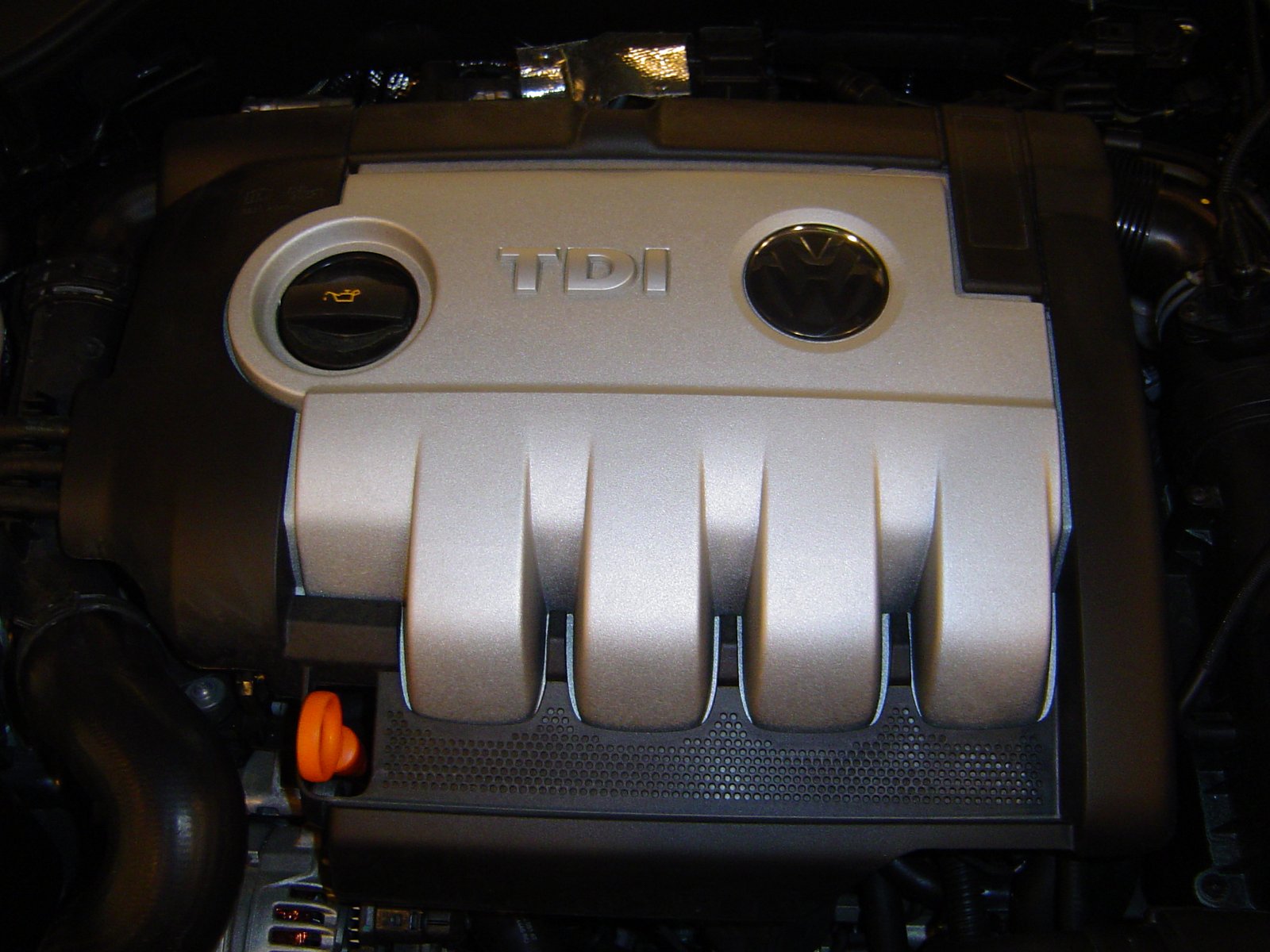
5 Signs of VW 2.0 TDI Turbo Problems You Can’t Ignore
Imagine merging onto the M25 in your VW Golf, only for the engine to suddenly limit power to 50mph – a classic first sign of VW 2.0 TDI turbo problems that no driver can afford to ignore.
Spotting VW 2.0 TDI Turbo Problems Early: Why It Matters
VW 2.0 TDI turbo problems are a common headache for owners of VW Golf, Passat, Tiguan, and Audi A3/A4 models across the UK, often leading to unexpected breakdowns and steep repair bills.
These issues stem from the high-stress demands on the turbocharger in these popular diesel engines, but spotting the signs early can prevent total engine failure and keep driving costs down.
In this comprehensive guide, we break down the 5 unmissable signs, explain the causes, highlight the risks, and show how professional reconditioning can get you back on the road safely.
1. Limp Mode Activation
Limp mode is one of the most alarming signs of VW 2.0 TDI turbo problems. Your car’s engine control unit (ECU) detects a fault, such as insufficient boost pressure from the turbo, and restricts power output to protect the engine. This typically limits your top speed to around 50-60 mph and reduces acceleration dramatically, making it feel like your VW Golf or Passat has lost its punch.
You’ll notice this most when trying to overtake or climb hills, where the turbo should kick in but doesn’t. It’s the car’s way of saying ‘something’s wrong with the turbo – stop pushing me!’ Common triggers include turbo underboost or overboost errors, often due to a failing variable geometry turbine (VGT) or actuator.
- Sudden drop in maximum speed to 50-60 mph
- Reduced throttle response and no boost build-up
- Dashboard may show engine warning light alongside limp mode
If limp mode activates, especially on a motorway, pull over safely at the next exit. Continued driving risks further engine damage and unsafe situations like failed overtakes.
- Check for warning lights
- Avoid hard acceleration
- Seek diagnostics immediately
2. Whistling or Whining Noises
A high-pitched whistling or whining noise from your VW 2.0 TDI engine is a classic auditory sign of turbo problems. This sound comes from the turbocharger’s compressor wheel spinning too freely due to worn bearings or damaged fins, often exacerbated by oil starvation. The noise typically grows louder under acceleration as the turbo spools up.
In VW Passat or Audi A4 models, owners report it sounding like a ‘tea kettle boiling’ or a ‘jet engine winding down’. If ignored, these noises signal impending turbo failure, leading to more severe VW 2.0 TDI turbo problems like complete boost loss.
- Whistling increases with engine revs
- May be accompanied by power hesitation
- Record the noise on your phone for the mechanic
Early whistling can be fixed cost-effectively with a turbo rebuild, but delaying leads to debris damaging the engine.
- Note when the noise occurs (idle, acceleration)
3. Blue Smoke from the Exhaust
Blue smoke billowing from your exhaust is a stark visual indicator of VW 2.0 TDI turbo problems, specifically oil leaking past worn turbo seals into the combustion chamber or exhaust. This happens when the turbo’s oil seals fail, allowing engine oil to burn, producing that distinctive blue haze, especially noticeable on startup or hard acceleration.
For VW Tiguan or Golf owners, this symptom often comes with a burnt oil smell. It’s not just unsightly – it points to internal turbo damage that can contaminate the engine with metal particles if not addressed swiftly.
- Blue-grey smoke on acceleration or startup
- Accompanied by oily residue around exhaust
- Burnt oil odour detectable inside the car
Blue smoke indicates oil leaks that increase fire hazard. Stop driving and have it inspected urgently to avoid catastrophic failure.
- Park safely and do not restart if heavy smoke
- Call for recovery if on road
4. Sluggish Acceleration and Power Loss
If your VW 2.0 TDI feels sluggish, with poor acceleration and lack of that familiar turbo ‘kick’, it could be early VW 2.0 TDI turbo problems. Unlike limp mode’s hard limit, this is a gradual loss of boost pressure, making overtaking on the A-roads frustrating and unsafe.
This often stems from issues like stuck VGT vanes or a faulty wastegate actuator, reducing the turbo’s efficiency. VW Golf and Passat drivers frequently report it after high mileage or neglected services.
- Hesitation or flat spot in mid-range power
- Higher fuel consumption due to inefficiency
- No dramatic power cut, but consistent weakness
Test on a safe road: if no boost by 2000 RPM, turbo health is compromised.
- Monitor fuel economy changes
- Compare with known good performance
5. Engine Warning Lights and Fault Codes
The glowing engine management light on your dashboard shouldn’t be dismissed as a minor glitch – in VW 2.0 TDI engines, it often flags turbo problems. Codes like P0299 (turbo underboost) or P0234 (overboost) point directly to the turbocharger.
Even intermittent lights can indicate building issues. Using a basic OBD-II scanner, available cheaply online, lets you read these codes yourself, but professional diagnostics are essential for accurate VW 2.0 TDI turbo problems diagnosis.
- Engine symbol (check engine light)
- Possible turbo-specific symbols
- Flashing lights indicate severe misfire risk
Dashboard lights mean the ECU has detected a fault. Continuing to drive can lead to limp mode or breakdown.
- Borrow/buy an OBD scanner
- Note the fault code
- Visit a specialist promptly
What Causes VW 2.0 TDI Turbo Problems?
VW 2.0 TDI turbo problems often arise from the complex variable geometry turbine (VGT) design, where vanes stick due to carbon buildup from short trips common in UK driving. Poor oil quality or infrequent changes starve bearings of lubrication, accelerating wear.
Other culprits include faulty electronic actuators failing to adjust boost, restricted oil feed lines from sludge, and high-mileage fatigue. These issues are prevalent in 100,000+ mile VW and Audi diesels.
- Carbon-sooted VGT vanes causing under/overboost
- Worn bearings from oil starvation
- Actuator solenoid or linkage failure
- Blocked oil feed/restrictor
Regular oil changes with VW-spec 507.00 oil prevent 80% of turbo failures.
The Dangers of Ignoring VW 2.0 TDI Turbo Problems
Ignoring VW 2.0 TDI turbo problems can turn a £1,000 rebuild into a £5,000+ full engine replacement. Sudden power loss on busy motorways poses real safety risks, while oil leaks from failed seals heighten fire chances.
Overboost from stuck vanes can shatter pistons, and metal debris from disintegrating turbos contaminates the entire engine, leading to seizure.
- Sudden limp mode during overtakes
- Engine seizure and stranding
- Piston/cylinder damage from pressure spikes
- Escalating repair costs 3-5x higher
Limp mode engages, blue smoke appears, or warning lights stay on. Risks include accidents, fires, and total engine write-off.
- Assess symptoms against this list
- Arrange inspection same week
Diagnosing and Fixing VW 2.0 TDI Turbo Problems
Diagnosing VW 2.0 TDI turbo problems starts with an OBD scan for codes, followed by boost pressure tests and visual inspection of the turbo for play or oil leaks. Specialists use advanced tools to pinpoint actuator or vane issues.
Fixing usually involves turbo removal and reconditioning: cleaning vanes, replacing bearings, seals, and balancing the wheel. This is far more reliable than a second-hand unit and cheaper than new. UK firms like Apexx Engines offer nationwide collection for VW TDI turbo rebuilds and full engine reconditioning.
Opt for remanufactured turbos tested to OEM specs for peace of mind.
- OBD fault code reading
- Boost gauge testing
- Turbo disassembly inspection
- Rebuild vs replace comparison
Costs 40-60% less than new, with 12-month warranties and like-new performance.
- Get a free diagnostic quote
- Choose specialists with VW experience
- Consider full engine health check
Don’t Let VW 2.0 TDI Turbo Problems Derail Your Journey – Act Now
VW 2.0 TDI turbo problems don’t have to spell disaster for your Golf, Passat, or Tiguan. By recognising signs like limp mode, noises, smoke, power loss, and lights early, you can avoid costly engine damage and stay safe on UK roads.
Professional diagnostics and turbo reconditioning from experienced specialists restore reliability without the premium price of new parts. Don’t delay – a quick check could save thousands.
Reach out to a trusted engine reconditioner today for peace of mind and get back to enjoyable driving.
Key points
- The 5 critical signs of VW 2.0 TDI turbo problems are limp mode, whistling noises, blue smoke, power loss, and warning lights – don’t ignore them.
- Causes like stuck vanes and bearing wear can lead to severe engine damage if not addressed promptly.
- Driving with these symptoms risks safety hazards like sudden power loss; stop immediately if limp mode or smoke appears.
- Professional diagnostics and turbo reconditioning offer a reliable, cost-effective fix over new parts.
- Contact UK engine specialists like Apexx Engines for expert VW 2.0 TDI turbo rebuilds and reconditioning.
Frequently asked questions
Is it safe to keep driving with signs of VW 2.0 TDI turbo problems?
No, it is not safe to continue driving if you notice symptoms like limp mode, blue smoke, or unusual noises from your VW 2.0 TDI engine. These can lead to sudden power loss on motorways, increased fire risk from oil leaks, or further engine damage. Pull over safely and arrange for professional diagnostics to avoid accidents and costly repairs.
How long does a VW 2.0 TDI turbo rebuild typically take?
A turbo rebuild for VW 2.0 TDI engines usually takes 3 to 7 working days, depending on the extent of damage, parts availability, and workshop workload. Specialists like Apexx Engines offer nationwide collection and delivery to minimise downtime, ensuring you’re back on the road as quickly as possible.
Is it cheaper to recondition or replace a VW 2.0 TDI turbo?
Reconditioning a VW 2.0 TDI turbo is generally much cheaper than buying a new or replacement unit, as it involves refurbishing your existing turbo with new bearings, seals, and balancing. Costs depend on the level of damage and labour, but it often saves 40-60% while providing reliable performance.
Will a reconditioned VW 2.0 TDI turbo last as long as a new one?
Yes, a professionally reconditioned VW 2.0 TDI turbo can last as long as a new one when done to OEM standards, with fresh components and thorough testing. Many come with warranties up to 12 months or more, offering peace of mind for UK motorists.
What should I do if my VW goes into limp mode?
If your VW 2.0 TDI enters limp mode, safely pull over at the earliest opportunity, especially on busy roads. This mode protects the engine from turbo-related faults like underboost, but driving further risks damage. Get an OBD scan for fault codes and professional inspection promptly.
Noticed VW 2.0 TDI Turbo Issues?
Don’t risk further damage or safety hazards – contact Apexx Engines today for expert diagnostics and a no-obligation quote on turbo rebuild or engine reconditioning. We serve VW owners UK-wide with reliable, cost-effective solutions.
This article is for general information only and is not a substitute for a professional mechanical inspection or diagnosis. Always consult a qualified technician and obtain a proper assessment before making repair decisions.
Recent Posts