4 Signs Your Classic Ford Engine Valve Seats Are Worn (And How to Rebuild Them)
Struggling with misfires or power loss in your classic Ford Cortina or Anglia? Classic Ford engine valve seat wear might be silently destroying your engine’s reliability.
Understanding Classic Ford Engine Valve Seat Wear
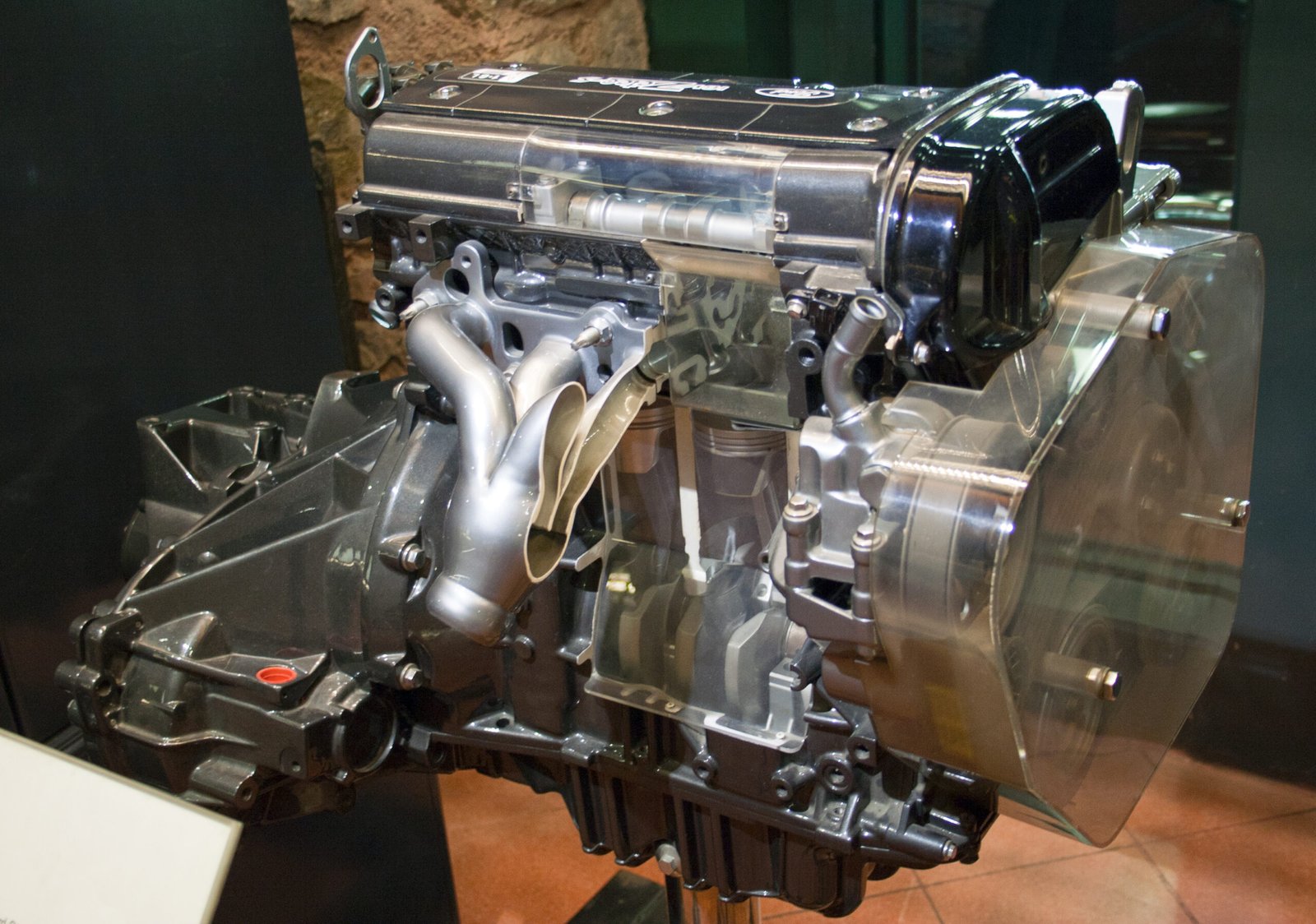
Classic Ford engine valve seat wear is a common yet often overlooked issue affecting vintage models like the Ford Cortina and Anglia, leading to performance degradation and higher repair costs.
These machined surfaces in the cylinder head ensure proper valve sealing for combustion, but they degrade over time, especially with modern fuels.
In this comprehensive guide, discover the four telltale signs, causes, and professional rebuild solutions from UK engine specialists.
Common Causes of Classic Ford Engine Valve Seat Wear
Classic Ford engine valve seat wear primarily stems from the incompatibility between original engine designs and today’s unleaded petrol. These engines, found in icons like the Cortina and Anglia, were engineered for leaded fuel, which provided a lubricating layer protecting the valve seats. Without lead, the seats erode faster, leading to recession where the valve sinks into the head and pitting or cracking.
High mileage exacerbates the problem, as constant heat cycles and valve impacts wear down the narrow contact area between valve and seat. Overheating, often from cooling system neglect common in classics, accelerates this by softening the metal. Inadequate lubrication from worn valve guides or incorrect oil grades further contributes to uneven wear.
The UK’s transition to unleaded fuel in the 1990s hit classic Fords hard, as many owners didn’t adapt with additives or reconditioning. Poor maintenance, such as infrequent valve adjustments, also plays a role in these models prone to such issues.
- Unleaded petrol erosion on lead-dependent seats
- Valve recession due to high mileage and heat
- Overheating from cooling failures
- Insufficient lubrication and improper maintenance

The shift to unleaded petrol has caused significant valve seat wear in pre-1990s Fords. Consider lead-replacement additives for short-term protection, but professional resurfacing offers a permanent fix.
Sign #1: Misfires and Rough Idling
One of the earliest indicators of classic Ford engine valve seat wear is misfires and rough idling. When seats wear, valves fail to seal completely, allowing combustion gases to escape or unburnt mixture to linger. This disrupts the smooth firing sequence, particularly noticeable at idle in your Cortina or Anglia.
You’ll feel the engine shaking more than usual, hear irregular popping from the exhaust, or notice hesitation when pulling away. In modified classics with electronic ignition, a check engine light might illuminate. This symptom often worsens in cold starts or under light load.
Simple home checks include observing the engine bay for vibrations and listening for uneven exhaust notes. If your classic Ford feels like it’s running on three cylinders, valve seat issues could be the culprit rather than plugs or leads.
- Shaking engine at idle
- Hesitation on acceleration
- Exhaust popping sounds
- Potential check engine light

Persistent misfires can lead to catalytic converter damage or sudden breakdowns. Stop driving and consult a specialist if symptoms persist.
- Check for engine shake at idle
- Listen for irregular exhaust
- Inspect spark plugs for fouling
Sign #2: Loss of Power and Acceleration
As classic Ford engine valve seat wear progresses, you’ll notice a distinct loss of power and sluggish acceleration. Worn seats reduce cylinder compression by preventing proper valve closure, limiting air-fuel intake and exhaust expulsion. This is especially evident under load, like climbing hills or overtaking.
Owners of high-mileage Cortinas or Anglias report their car feeling ‘bogged down’, requiring more throttle to maintain speed. Unlike carburettor dirtiness or ignition timing issues, this power loss persists across rev ranges and worsens over time.
Differentiating it: if cleaning the carb or points doesn’t help, and compression tests show variance between cylinders, suspect valve seats. This symptom signals advancing wear that demands attention to avoid further damage.
- Sluggish hill climbs
- Poor overtaking response
- Consistent power drop across RPMs
- Unaffected by basic tune-ups
Ignoring power loss risks complete engine seizure from uneven stress. Seek diagnostics promptly.
Sign #3: Excessive Oil Consumption
Excessive oil consumption is a sneaky sign of classic Ford engine valve seat wear, often linked to concurrent valve guide or stem seal wear. Poor seating allows higher vacuum to pull oil past guides into the combustion chamber, where it’s burned off.
You’ll find yourself topping up oil more frequently, perhaps every few hundred miles, without visible external leaks. This ties directly to valve train issues in older Fords, accelerating wear on piston rings and bores if unchecked.
Combined with other signs, it points to internal leakage. Regular dipstick checks reveal this; dark oil on plugs confirms burning.
- Frequent oil top-ups needed
- No external leaks visible
- Fouled spark plugs with oil
- Worsens with valve seat recession
Burning oil contaminates the combustion process, leading to scored bores and costly overhauls.
- Monitor oil level weekly
- Check plugs for oil fouling
Sign #4: Blue Smoke from the Exhaust
Blue smoke from the exhaust is a stark visual confirmation of classic Ford engine valve seat wear, indicating oil burning in the cylinders. Worn seats and guides permit oil to seep in, vaporising during combustion to produce that telltale blue hue, especially on startup or hard acceleration.
In Cortina and Anglia engines, this appears after prolonged neglect, alongside power loss. It’s more pronounced after idling and smells acrid. Environmentally, it increases emissions, potentially failing MOT tests.
This severe symptom warns of imminent breakdown; don’t delay professional inspection.
- Blue tint on startup
- Smoke under acceleration
- Acrid burning oil smell
- MOT emission failures
Blue smoke signals severe wear; continued driving risks total engine failure and roadside stranding.
Diagnosing and Rebuilding Worn Valve Seats
Diagnosing classic Ford engine valve seat wear requires specialist tools beyond basic compression tests. A leak-down test pinpoints cylinder leakage rates, while cylinder head removal reveals seat condition—recession over 0.05mm or pitting confirms the issue.
Rebuilding involves precise resurfacing: the head is machined on a valve seat cutter to restore angles, followed by induction hardening for unleaded compatibility. New valves, guides, and seals complete the job, ensuring like-new sealing.
At Apexx Engines, our UK-wide service handles Cortina and Anglia engines with state-of-the-art equipment, delivering durable repairs compliant with modern fuels. This restores full power and prevents recurrence.
Post-rebuild, expect improved idling, power, and oil economy, with engines lasting decades more.
- Leak-down and compression tests
- Head removal and inspection
- Seat cutting and hardening
- Valve and guide replacement
Specialist resurfacing prevents future wear, saves on full engine swaps, and maintains classic value. Contact Apexx for a no-obligation assessment.
- Book leak-down test
- Remove cylinder head for inspection
- Choose induction hardened seats
Rebuild Your Classic Ford Engine Today
Don’t let classic Ford engine valve seat wear rob you of reliable motoring. Recognising these signs early allows for targeted repairs that extend your engine’s life without the expense of a full replacement.
UK specialists like Apexx Engines offer proven reconditioning, using techniques tailored for vintage Fords facing modern challenges. Restore your Cortina or Anglia to peak performance safely and affordably.
Contact us today for expert diagnostics and rebuilds—keep your classic on the road for years to come.
Key points
- Classic Ford engine valve seat wear reveals itself through misfires, power loss, excessive oil use, and blue exhaust smoke.
- Root causes stem from unleaded fuels eroding original seat materials in Cortina and Anglia engines.
- Early professional diagnosis via leak-down tests prevents total engine failure.
- Valve seat resurfacing and reconditioning restore optimal performance and reliability.
- Trust UK engine rebuild specialists like Apexx Engines for cost-effective, high-quality repairs.
- Regular inspections keep your classic Ford roadworthy and enjoyable.
Frequently asked questions
What are the main signs of valve seat wear in a classic Ford engine?
The four key signs are misfires and rough idling, loss of power and acceleration, excessive oil consumption, and blue smoke from the exhaust. These symptoms occur because worn seats prevent proper valve sealing, leading to poor combustion. Early detection helps avoid major engine damage.
Why do classic Fords like the Cortina and Anglia suffer from valve seat wear?
These engines were designed for leaded fuel, which lubricated the valve seats, but modern unleaded petrol causes erosion and recession. High mileage, overheating, and poor maintenance worsen the issue. UK owners faced this after the 1990s fuel switch.
How can I diagnose valve seat wear in my Ford engine?
Start with basic checks like observing misfires or smoke, then get a professional leak-down test and compression test. Cylinder head removal confirms seat recession or pitting. Avoid DIY if you’re not experienced, as specialist tools are needed.
What is involved in rebuilding worn valve seats?
The process includes machining the seats with a cutter, induction hardening for unleaded compatibility, and replacing valves and guides. This restores sealing and prevents future wear. Apexx Engines offers this service UK-wide for classic Fords.
Is driving with valve seat wear dangerous?
Yes, it can cause sudden breakdowns, engine seizure, or MOT failures from emissions. Persistent misfires or blue smoke mean stop driving immediately. Seek professional diagnostics to stay safe on UK roads.
Can lead replacement additives prevent valve seat wear?
They provide short-term lubrication but don’t fix existing wear. Professional resurfacing is the permanent solution for classic Fords. Combine additives with regular checks for best protection.
Restore Your Classic Ford Engine with Apexx Experts
Don’t risk breakdowns from valve seat wear—get professional diagnostics and reconditioning from UK specialists. Contact Apexx Engines today for reliable, cost-effective repairs.
This article is for general information only and is not a substitute for a professional mechanical inspection or diagnosis. Always consult a qualified technician and obtain a proper assessment before making repair decisions.
Recent Posts