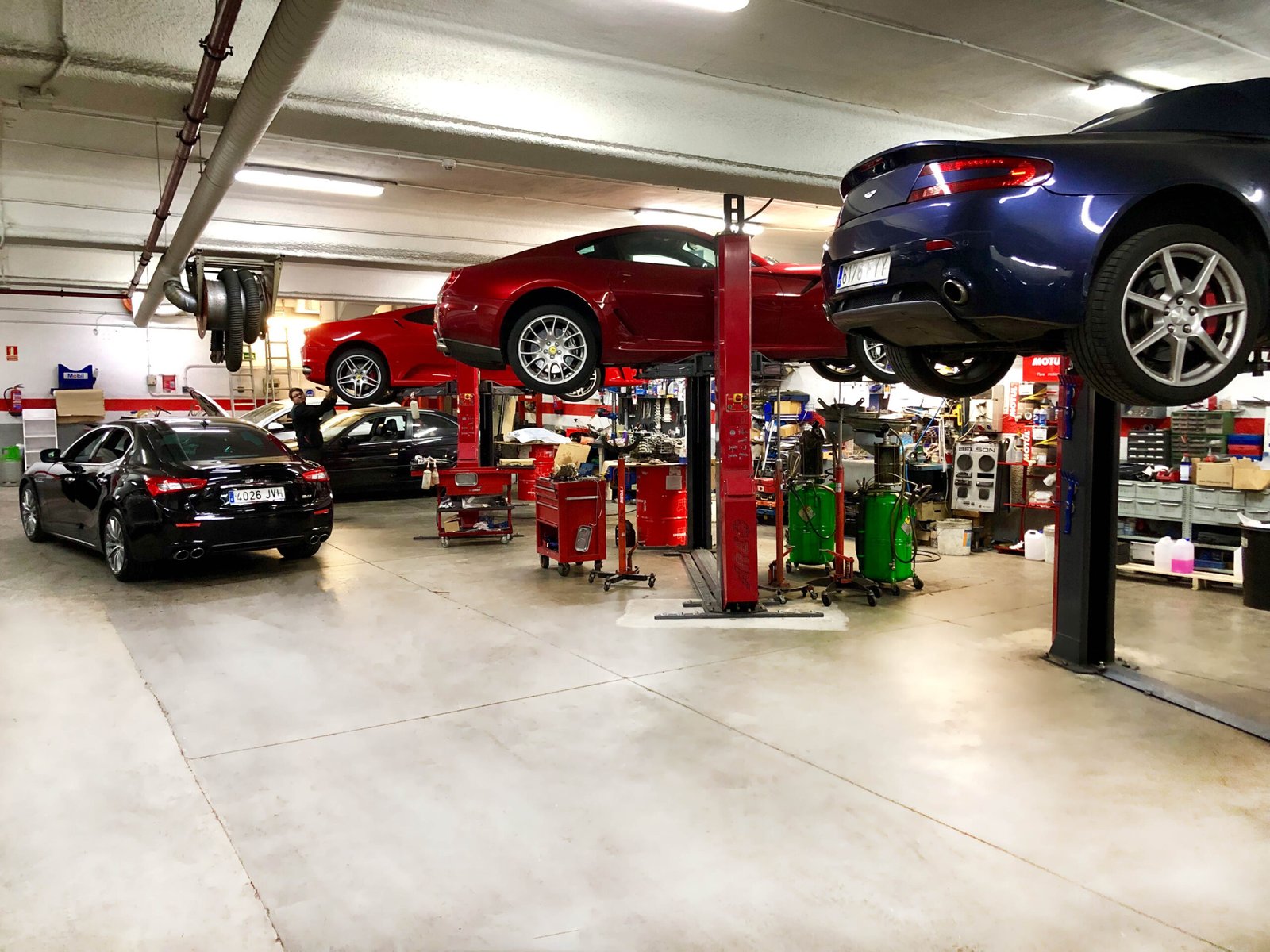
Picture your beloved classic car failing you mid-journey with smoke, excessive heat, or ominous knocks – these classic car engine rebuild symptoms demand immediate attention.
Why Spotting Classic Car Engine Rebuild Symptoms Early Matters
Classic car engine rebuild symptoms can creep up on even the most attentive UK owners, turning joyful drives into roadside nightmares with issues like power loss and strange noises.
Unlike modern engines, classics from British marques suffer from age-related wear unique to their design, making early detection crucial for safety and preserving value.
In this guide, we outline the top three signs your engine needs rebuilding, explain the causes, highlight risks, and show how professional reconditioning restores reliability.
Sign 1: Poor Compression
Poor compression is one of the most telling classic car engine rebuild symptoms, occurring when the engine cylinders fail to hold pressure effectively. This leads to a noticeable drop in performance, as the fuel-air mixture escapes before it can be fully combusted.
In classic cars, this often stems from worn piston rings, damaged valves, or valve seat recession – common issues in engines lacking modern materials. You’ll notice sluggish acceleration, difficulty starting, especially when cold, and a rough idle that feels like the engine is struggling to breathe.
Beyond the drivability issues, poor compression produces excessive exhaust smoke, particularly blue or white hues indicating burning oil or coolant. A simple at-home check involves a compression test using a gauge screwed into each spark plug hole while cranking the engine – healthy cylinders should read within 10% of each other.
- Reduced engine power and poor acceleration
- Hard starting or misfires
- Excessive smoke from the exhaust
- Rough idling or uneven running

Remove spark plugs, disable ignition and fuel, then test each cylinder. Readings below 100 PSI or big variances signal trouble – book professional diagnostics immediately.
- Perform a basic compression test if power loss is evident.
- Note smoke colour and frequency.
- Avoid prolonged driving to prevent further wear.
Sign 2: Persistent Overheating
Persistent overheating stands out as a critical classic car engine rebuild symptom, where the engine temperature climbs beyond normal operating levels despite a functioning cooling system. In older vehicles, this isn’t just a faulty thermostat; it often signals internal wear like a warped cylinder head or blown head gasket.
Classic car engines, with their cast iron blocks and simpler cooling designs, are prone to hotspots that modern multi-flow systems avoid. You’ll see steam from the radiator, a rising temperature gauge into the red, and possibly a sweet smell of coolant burning – all red flags that demand you pull over safely.
Initial checks include verifying radiator hoses for softness, coolant levels, and fan operation, but recurring issues point to deeper problems like eroded cylinder walls allowing combustion gases to enter the cooling system, pressurising it abnormally.
- Temperature gauge consistently high
- Steam or vapour from under the bonnet
- Coolant loss without visible leaks
- Engine pinging or pre-ignition under load

Stop driving immediately if overheating persists – continued operation risks warping heads, cracking blocks, or complete seizure, leading to costly repairs and safety risks.
- Check coolant level and radiator cap pressure.
- Inspect hoses and thermostat.
- Park and allow cooling before restart; seek diagnostics.
Sign 3: Knocking or Ticking Noises
Knocking or ticking noises from the engine bay are alarming classic car engine rebuild symptoms, often described as a deep ‘rod knock’ or metallic tapping that worsens with revs or load. This is typically worn main bearings or big-end bearings allowing crankshaft play.
High-mileage classics suffer from oil starvation and material fatigue in these critical components, leading to metal-on-metal contact. Accompanying signs include dropping oil pressure, vibrations through the steering, and a metallic sheen in used oil – ignore at your peril.
Unlike valve tappet noise (adjustable), true knocking escalates quickly to catastrophic failure, where pistons can seize or conrods punch through the block. If you hear it, shut down promptly and arrange a tow.
- Deep knocking on acceleration
- Ticking that syncs with engine speed
- Oil pressure light or low gauge reading
- Vibrations felt in cabin or pedals
Use a mechanic’s stethoscope to pinpoint noise source. Bearing knock is lowest in sump area; valve noise higher up.
- Identify if noise changes with revs or load.
- Check oil pressure gauge urgently.
- Do not drive – call for recovery.
Causes Behind Classic Car Engine Rebuild Symptoms
Classic car engine rebuild symptoms arise from decades of wear on components not designed for modern fuels, oils, or mileage expectations. Valve seat recession, where seats sink into the head due to lead-free petrol incompatibility, causes poor compression and misfires.
Piston ring wear allows blow-by gases, oil consumption, and power loss, while main bearing degradation from inadequate lubrication leads to knocking. Cooling passages clog with scale, exacerbating overheating in engines reliant on basic water pumps.
Neglect like infrequent oil changes accelerates these; original white metal bearings and cast pistons simply reach end-of-life after 100,000+ miles, unlike disposable modern units.
- Valve seat recession from unleaded fuel
- Worn piston rings and cylinder glazing
- Bearing wear due to oil breakdown
- Head gasket failure from age and heat cycles
The Risks of Ignoring These Symptoms
Ignoring classic car engine rebuild symptoms invites rapid escalation: poor compression leads to detonations damaging pistons, overheating warps heads requiring expensive machining, and knocking culminates in seized engines needing full replacement.
Safety hazards include sudden power loss on busy roads, oil fires from leaks, or breakdown in traffic – potential MOT failures too, as UK regulations demand roadworthy engines. Financially, a £500 diagnostic fix becomes £5,000+ for a seized block.
Insurance may deny claims for known issues, and resale value plummets with a ‘engine needs rebuild’ history.
- Catastrophic engine seizure
- Fire risk from oil/coolant leaks
- Breakdown stranding and recovery costs
- Legal MOT/insurance complications
Cease driving if knocking persists, overheating exceeds 10 minutes, or power loss endangers control. Safety first – better a tow than tragedy.
- Monitor symptoms daily if driving short distances.
- Budget for professional inspection.
- Document issues for insurance.
How Engine Reconditioning Fixes These Issues
Engine reconditioning addresses all classic car engine rebuild symptoms by completely overhauling the unit: the engine is stripped, inspected, and precision-machined to restore tolerances. Cylinders are honed, valves reseated or replaced, bearings renewed with modern tri-metal types.
New piston rings, gaskets, and timing components ensure like-new compression, cooling efficiency, and quiet operation. Specialists match OEM specs for classics, often improving on originals with unleaded conversions.
Turnaround is typically 2-4 weeks UK-wide, far cheaper than a donor engine search, preserving originality and value.
- Full strip-down and crack testing
- Cylinder boring/honing and piston fitment
- Valve grinding and seat inserts
- Bearing and oil pump renewal
Restores 90-100% original power, extends life by decades, nationwide collection/delivery available.
- Request OEM-spec parts list.
- Ask for dyno testing post-rebuild.
- Confirm warranty terms.
Choosing a Reputable Specialist for Your Classic
For classic cars, general garages lack the tooling and knowledge for precise reconditioning – seek specialists with decades of experience in British marques like Triumph, MG, or Jaguar.
Look for transparent diagnostics (no teardown surprises), written quotes, warranties (1-3 years), and UK-wide service including collection. Ask about processes: do they use CMM for measurements or wet-blast heads?
Apexx Engines exemplifies this with proven results, avoiding pitfalls like mismatched parts or rushed jobs that lead to repeat failures.
- Proven classic car portfolio
- Detailed inspection reports
- Engine dyno testing
- Comprehensive warranty
- Verify specialist certifications and reviews.
- Inquire about classic-specific tools.
- Compare quotes on scope, not just price.
- Request references from similar models.
Take Control of Your Classic Car’s Future
Recognising classic car engine rebuild symptoms early empowers you to act before minor wear becomes major expense. Professional reconditioning offers a reliable, cost-effective path to reviving your engine’s performance and safety.
Don’t risk your classic’s legacy or your wellbeing – arrange a diagnostic check today from a trusted UK specialist. With expert intervention, your pride and joy can deliver many more miles of trouble-free motoring.
Contact specialists like Apexx Engines for nationwide support and get back on the road confidently.
Key points
- Classic car engine rebuild symptoms such as poor compression, overheating, and knocking demand swift attention to avoid breakdowns.
- Root causes like worn rings, valves, and bearings are common in ageing engines but fully addressable through reconditioning.
- Driving with these signs risks safety hazards, further damage, and high costs – stop immediately if knocking persists or overheating occurs.
- Professional engine reconditioning restores power and reliability cost-effectively for UK classic owners.
- Choose experienced specialists offering diagnostics and nationwide service to keep your classic on the road.
Frequently asked questions
What are the main signs my classic car engine needs rebuilding?
The top classic car engine rebuild symptoms include poor compression causing power loss and smoke, persistent overheating despite a good cooling system, and knocking or ticking noises that worsen under load. These indicate worn piston rings, valves, or bearings common in older engines, and early detection prevents further damage.
Is it safe to drive a classic car with engine knocking?
No, engine knocking from worn bearings signals imminent failure and poses serious safety risks like sudden seizure on the road. Stop driving immediately, arrange a tow, and seek professional diagnostics to avoid accidents or costly breakdowns.
How long does an engine reconditioning take for a classic car?
Engine reconditioning typically takes 2-4 weeks depending on the extent of damage, parts availability, and workshop schedule. Specialists handle nationwide collection and delivery, keeping you updated throughout to minimise downtime.
Is reconditioning cheaper than replacing a classic car engine?
Reconditioning is often more cost-effective than sourcing and fitting a replacement engine, especially for rare classics, as it uses your existing block and avoids donor searches. Costs vary by damage level, labour, and parts, but it preserves originality and value.
Will a reconditioned classic car engine last as long as a new one?
A professionally reconditioned engine can last decades with proper maintenance, often matching or exceeding the original lifespan thanks to modern materials like tri-metal bearings and unleaded-compatible parts. Regular oil changes and checks ensure reliability for UK roads.
Spot These Symptoms in Your Classic?
Don’t let engine issues sideline your pride and joy. Contact Apexx Engines for expert diagnostics and a tailored reconditioning quote to restore safety and performance.
This article is for general information only and is not a substitute for a professional mechanical inspection or diagnosis. Always consult a qualified technician and obtain a proper assessment before making repair decisions.
Recent Posts