Ford Wet Belt Problems: The EcoBoost Engine Crisis Affecting 100,000+ UK Vehicles

What Are Ford Wet Belt Problems?
Ford wet belt problems stem from a fundamental design change in EcoBoost engines. Unlike traditional timing belts that operate externally, Ford submerged the timing belt inside the engine where it runs in hot engine oil. The goal? Reduce emissions by 1% and improve fuel efficiency. The reality? A national crisis affecting over 100,000 vehicles across Britain.
The Science Behind Wet Belt Failure
Your Ford’s wet belt is made from rubber compounds that weren’t designed for constant oil submersion. Over time, the oil degrades the rubber compound, causing the belt to shed microscopic particles. These particles circulate through your engine’s oil system, creating a cascade of Ford wet belt problems:
- Oil pump filter blockage
- Critical loss of oil pressure
- Main bearing and camshaft damage

Ford transit Wet Belt conversion
- Complete engine seizure
What makes Ford wet belt problems particularly insidious is the silent nature of the failure. Many owners experience no warning symptoms before catastrophic engine failure.
Pros and Cons of Wet Belt Technology
Understanding why Ford adopted wet belts helps explain the widespread Ford wet belt problems across the UK.
The Promised Benefits
- 1% reduction in CO2 emissions
- Slightly improved fuel economy
- Quieter engine operation
- Reduced external components
The Reality for UK Owners
- Premature failure at 60,000-100,000 miles (not the claimed 150,000)
- Catastrophic engine damage when belts fail
- Repair costs of £2,800-£3,900
- No warning signs before complete failure
- Contamination of entire oil system
For British motorists, the cons of Ford wet belt problems far outweigh the marginal environmental benefits.
Every Ford Model Affected by Wet Belt Problems
Understanding whether your vehicle is at risk is crucial. Here’s the complete breakdown of Ford models suffering from wet belt problems:
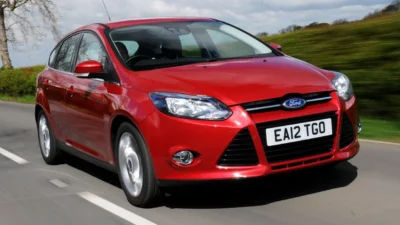
Ford Wetbelt Problems – EcoBoost 1.0L
Ford Cars with Wet Belt Problems
Ford Fiesta (2013–present)
Engine: 1.0L EcoBoost (3-cylinder)
Risk Level: Critical. Most common model we see for wet belt problems.
Ford Focus (2012–present)
Engines: 1.0L & 1.5L EcoBoost
Risk Level: High. The 1.5L variant shows Ford wet belt problems earlier than expected.
Ford Mondeo (2014–2022)
Engines: 1.0L & 1.5L EcoBoost
Risk Level: High. Family cars often exceed failure mileage.
Ford Puma (2019–present)
Engine: 1.0L EcoBoost
Risk Level: Moderate-High. Newer but already showing wet belt problems.
Ford Kuga (2016–present)
Engine: 1.5L EcoBoost
Risk Level: High. SUV weight puts extra strain on already compromised wet belt system.
Ford Vans with Wet Belt Problems
Ford Transit Connect (2013–present)
Engines: 1.0L & 1.5L EcoBoost
Impact: Commercial vehicle downtime makes wet belt problems especially costly.
Ford Transit Courier (2014–present)
Engine: 1.0L EcoBoost
Impact: Urban delivery vehicles often in the perfect mileage zone for failure.
Ford Transit Custom (2016–present)
Engine: 2.0L EcoBlue diesel
Impact: Yes, even diesel models experience wet belt problems in the oil pump drive.
Why Ford Wet Belt Problems Cost UK Owners £2,000+
The mathematics of Ford wet belt problems don’t add up in the owner’s favour. Ford claims a 150,000-mile lifespan, but our nationwide data shows failures occurring between 60,000-100,000 miles less than half the promised durability.
The True Cost of Wet Belt Failure
When Ford wet belt problems strike, you’re not just replacing a belt. The rubber contamination requires:
- Complete engine strip-down
- Oil pump and component replacement
- Forensic cleaning of oil galleries
- Main bearing replacements
- Potential full engine reconditioning or replacement (£2,800-£3,900)
Compare this to a traditional external timing belt change at £400-£600, and you see why Ford wet belt problems have become such a controversial issue.
Warning Signs: Is Your Ford Showing Wet Belt Problems?
Early detection of Ford wet belt problems can save your engine. Watch for these symptoms:
- Oil Pressure Warnings: The most critical sign of developing wet belt problems
- Cold Start Rattles: Especially on 1.0L EcoBoost engines
- Performance Loss: Hesitation that worsens over time
- Metal in Oil: Your garage should check during service
- Engine Management Light: P06DD and P0524 codes indicate pressure issues
Critical Warning: Many Ford wet belt problems show NO symptoms until complete failure. If you’re approaching 60,000 miles, you’re in the danger zone regardless of how healthy your Ford feels.
Preventing Ford Wet Belt Problems: What Actually Works
While Ford wet belt problems are inherent to the design, you can delay failure with rigorous maintenance:
Essential Prevention for UK Ford Owners
- Oil Changes Every 6,000 Miles: Not the 12,500 miles Ford suggests. Fresh oil reduces belt degradation.
- Ford-COMOAR Spec Oil Only: Generic oils accelerate Ford wet belt problems.
- Annual Inspections from 40,000 Miles: Have a specialist check for early warning signs.
- Proactive Replacement at 60,000 Miles: Don’t gamble on Ford’s 150,000-mile claim.
However, prevention has limits. Even perfectly maintained Fords develop wet belt problems due to fundamental material incompatibility.
Ford Wet Belt Problems Gone Wrong: Your Nationwide Solution
When Ford wet belt problems have already caused damage, a simple belt change is like putting a plaster on a broken leg. The rubber contamination throughout your engine requires professional intervention.
Why Choose Apexx Engines for Ford Wet Belt Problems?
We’re the UK’s leading specialists in EcoBoost engine reconditioning, with a dedicated process specifically for Ford wet belt problems:
- Complete Reconditioning: We don’t just replace belts; we restore engines
- Forensic Cleaning: Every oil gallery is cleared of rubber contamination
- Upgraded Components: Where available, we fit improved wet belt materials
- Pressure Testing: Every engine is dyno-tested before return
- Nationwide Coverage: We collect and deliver across England, Scotland & Wales
- Warranty Protection: 24-month warranty on all reconditioned engines
Don’t Let Ford Wet Belt Problems Destroy Your Vehicle
If your Ford Fiesta, Focus, Transit, or Puma is approaching 60,000 miles, or showing any warning signs, contact us immediately. Our nationwide collection service means distance is no barrier to solving your Ford wet belt problems.
Our state-of-the-art engine reconditioning facility serves customers from Cornwall to Scotland, offering the same expert level of service whether you’re in a major city or rural location.
Call us FREE today on 0800 206 2733 or email info@apexxengines.co.uk for a free, no-obligation quote.
Recent Posts