5 Signs of BMW N57 Turbo Problems You Can’t Ignore
Is a strange whining sound or sudden power drop turning your BMW 330d or 530d drive into a disappointment? These are telltale BMW N57 turbo problems that require urgent attention.
Understanding BMW N57 Turbo Problems
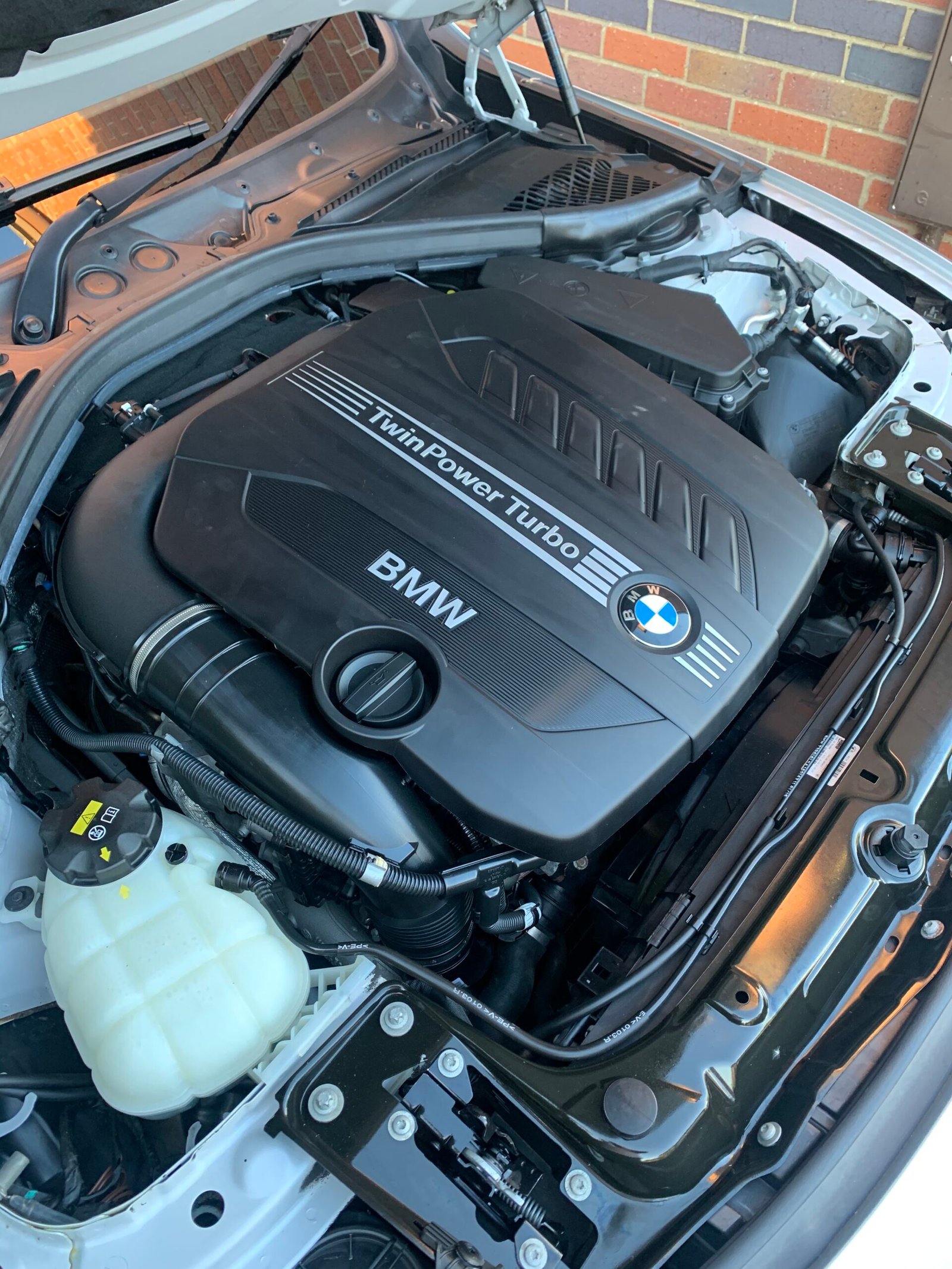
The N57 diesel engine powers popular UK BMWs like the 3 Series 330d, 5 Series 530d, 7 Series, and X models, delivering strong performance through its advanced turbocharger—but BMW N57 turbo problems are a common headache for high-mileage owners.
These issues not only reduce fuel efficiency and driving pleasure but can escalate to severe engine damage and safety risks if ignored.
In this guide, discover the 5 critical signs, the dangers of delay, and reliable reconditioning solutions.
How the BMW N57 Turbocharger Works
The BMW N57 is a 3.0-litre inline-six diesel engine renowned for its power and efficiency in models such as the 330d, 530d, and X5. At its heart lies a sophisticated variable geometry turbocharger (VGT), often a twin-turbo setup in higher-output variants, designed to deliver optimal boost pressure across the entire rev range.
Unlike fixed geometry turbos, the N57’s VGT uses adjustable vanes in the turbine housing. These vanes, controlled by an electronic actuator, close at low RPMs to spool up quickly and open at high RPMs to prevent overboost. Key components include the turbine and compressor wheels, bearings lubricated by engine oil, seals to prevent oil leaks, and intercooler pipes that channel compressed air to the engine.
Common failure points arise from the demanding UK driving conditions, such as frequent short trips that prevent full DPF regeneration, leading to soot buildup that affects vane movement. Poor oil quality or infrequent changes accelerate bearing wear, while actuator faults from electrical issues or carbon deposits are prevalent in high-mileage engines.
- Variable vanes adjust for low-end torque and high-end power.
- Oil-lubricated bearings are critical but prone to failure if starved.
- Actuator controls vane position electronically for precise boost.
The N57 turbo spins up to 200,000 RPM, using engine exhaust to drive the compressor. Regular oil changes with BMW-spec oil are vital to prevent premature wear.
1. High-Pitched Whining or Whistling Noises
One of the earliest BMW N57 turbo problems is a high-pitched whining or whistling noise from under the bonnet, particularly noticeable under acceleration or when engine revs increase. This sound, often likened to a dentist’s drill or a boiling kettle, is a hallmark of turbo distress and frequently discussed on UK BMW forums for 330d and 530d owners.
The noise typically originates from worn bearings inside the turbocharger, allowing the shaft to wobble and the impeller blades to rub against the housing. In severe cases, damaged compressor or turbine wheels can produce a siren-like whistle. Ignoring this can lead to complete turbo disintegration, sending debris into the engine.
- Noise rises with engine RPM and load.
- May be accompanied by slight vibration in the throttle pedal.
- Record the sound on your phone for the mechanic.
Avoid high revs or hard acceleration until diagnosed, as bearing failure can scatter metal shards throughout the engine.
2. Lack of Power and Poor Acceleration
A clear sign of BMW N57 turbo problems is a noticeable lack of power, where your BMW feels sluggish and fails to respond as it should. Drivers report excessive turbo lag, hesitation when overtaking, or an inability to reach expected top speeds, turning motorway merges into stressful events common on UK roads.
This symptom stems from insufficient boost pressure, often due to stuck variable vanes clogged with soot, a faulty actuator failing to adjust geometry, or leaks in the intercooler pipes or boost hoses. In twin-turbo N57 setups, one turbo may fail while the other compensates temporarily.
Without adequate boost, the engine runs leaner, reducing torque and potentially triggering limp mode to protect components.
- Flat spot in mid-range acceleration.
- Turbo spools but boost drops off suddenly.
- Worse in higher gears or uphill.
Poor acceleration endangers safe overtaking and merging—get it checked promptly.
3. Blue Smoke from the Exhaust
Blue smoke billowing from the exhaust is one of the most alarming BMW N57 turbo problems, indicating oil is leaking past worn turbo seals into the exhaust or intake system. This creates a bluish haze, especially visible on startup or under load, and carries the scent of burning oil.
Failed seals allow pressurised oil to bypass into the hot turbine side, burning incompletely and fouling components downstream. This not only accelerates turbo damage but contaminates the DPF and EGR system, compounding issues in UK diesels subject to strict emissions regs.
Distinguish blue smoke (oil) from black (overfueling) or white (coolant)—blue demands immediate action.
- Appears thicker on hard acceleration.
- Oil level drops noticeably.
- May leave oily residue in tailpipe.
Blue smoke signals critical seal failure—pull over safely and do not drive further to avoid fire risk from hot oil.
4. Excessive Oil Consumption or Leaks
Excessive oil use is a stealthy BMW N57 turbo problem, where you find yourself topping up oil more frequently than the recommended 1 litre per 10,000 miles. Visible leaks under the engine bay or blue smoke confirm the issue.
Worn turbo seals permit oil to escape into the intake (causing smoke on acceleration) or exhaust. During inspection, oily residue inside hoses or the intercooler points directly to the turbo. Neglect leads to oil starvation, seizing bearings and total failure.
Check dipstick regularly if other symptoms appear.
- Oil level drops between services.
- Puddles or stains under the car.
- Smoke worsens after oil top-ups.
Running low on oil risks catastrophic engine damage—monitor levels weekly.
5. Check Engine Light and Limp Mode
The check engine light (CEL) illuminating alongside limp mode is a definitive electronic flag for BMW N57 turbo problems. Limp mode limits RPM and speed to around 60 mph, safeguarding the engine from further harm.
Common codes include P0299 (underboost), P2263 (boost leak), or actuator-specific faults like P2562. These trigger when the ECU detects abnormal boost via sensors. In N57 engines with VGT or twin turbos, this often pairs with physical symptoms like whine or power loss.
An OBD-II scanner provides initial clues, but professional diagnostics are essential.
- Dashboard light with reduced performance.
- Error codes related to boost pressure.
- Resets temporarily but returns.
P0299: Turbo underboost. P0244: Wastegate solenoid issue. Scan with OBD tool for confirmation.
Risks of Ignoring BMW N57 Turbo Problems
Ignoring BMW N57 turbo problems invites catastrophe. A failing turbo sheds metal fragments that scour cylinder walls, pistons, and valves, often necessitating full engine reconditioning rather than a simple turbo swap.
Safety is paramount: sudden power loss mid-overtake poses collision risks on busy UK motorways. Oil leaks from breaches can ignite on hot exhausts, while stuck vanes prevent controlled acceleration.
Repair costs escalate exponentially—from £1,000+ for turbo work to £5,000+ for engine rebuilds. Early intervention preserves value and reliability.
- Engine destruction from debris.
- Fire hazard from oil leaks.
- Breakdown stranding and recovery fees.
Stop driving immediately if blue smoke, loud whining, or severe power loss occurs—these signal imminent failure.
Repairing BMW N57 Turbo Problems: Reconditioning vs Replacement
Addressing BMW N57 turbo problems starts with thorough diagnostics: boost pressure tests, borescope inspections, and OBD scans pinpoint the fault without guesswork.
Replacement with a new OEM turbo is expensive and doesn’t address underlying issues like oil quality. Reconditioning, however, strips the unit, replaces bearings, seals, and actuator with upgraded parts, balances impellers, and tests to exceed OEM specs—offering superior longevity at lower cost.
Specialists like Apexx Engines provide UK-wide collection, rapid turnaround, and expertise in N57 rebuilds, restoring factory performance safely.
- Reconditioning: Cost-effective, upgraded components.
- Replacement: Quick but pricier, no upgrades.
- Always pair with oil system flush.
Apexx Engines rebuilds N57 turbos with reinforced vanes and actuators, handling collection from anywhere in the UK for hassle-free service.
Protect Your BMW from N57 Turbo Failure
BMW N57 turbo problems like whining noises, power loss, and blue smoke demand swift attention to safeguard your engine and safety. Early detection via these five signs prevents minor issues from becoming major expenses.
Professional reconditioning offers a reliable, cost-effective path to full restoration, far outperforming basic replacements in durability for high-mileage UK drivers.
Don’t risk it—seek expert diagnostics today and keep your 330d or 530d performing at its best with proven specialists.
Key points
- BMW N57 turbo problems show through whining, power loss, blue smoke, oil consumption, and dashboard warnings—don’t ignore them.
- Prompt action averts engine destruction, safety risks like power failure, and high repair bills.
- Reconditioning by specialists restores full performance cost-effectively over replacement.
- Early diagnostics via OBD and inspection save your BMW 330d or 530d from roadside breakdowns.
- Reach out to Apexx Engines.co.uk for reliable UK BMW engine reconditioning today.
Frequently asked questions
What are the main signs of BMW N57 turbo problems?
The key indicators include high-pitched whining or whistling noises under acceleration, lack of power and poor acceleration, blue smoke from the exhaust, excessive oil consumption or leaks, and the check engine light with limp mode. Spotting these early helps prevent more serious engine damage.
Is it safe to drive my BMW with turbo whining noises?
No, it’s not safe to continue driving if you hear loud whining that increases with RPM, as this signals worn bearings that could lead to turbo failure and debris entering the engine. Get it checked by a professional as soon as possible to avoid safety risks like sudden power loss.
How long does it take to recondition a BMW N57 turbo?
The reconditioning process typically takes a few days to a week, depending on the extent of damage, availability of parts, and workshop workload. Specialists like Apexx Engines offer rapid turnaround with UK-wide collection for convenience.
Is reconditioning a turbo cheaper than replacement?
Yes, reconditioning is generally more cost-effective than buying a new turbo, as it involves replacing only worn components like bearings and seals with upgraded parts, while addressing root causes. Costs vary based on damage level, but it’s often half the price of a full replacement.
Will a reconditioned BMW N57 turbo last as long as a new one?
A professionally reconditioned turbo can last as long or longer than a new one, thanks to upgraded components, precise balancing, and thorough testing. Proper maintenance with quality oil and regular services ensures reliability for high-mileage UK driving.
Worried About Your BMW N57 Turbo?
Don’t risk engine damage or safety issues—contact Apexx Engines for professional diagnostics and a tailored reconditioning quote. We handle UK-wide collection for hassle-free service.
This article is for general information only and is not a substitute for a professional mechanical inspection or diagnosis. Always consult a qualified technician and obtain a proper assessment before making repair decisions.
Recent Posts