5 Signs of BMW N47 Swirl Flap Problems You Can’t Ignore
If your BMW 1, 3, or 5 Series diesel is idling roughly, misfiring, or losing power, it could be the start of serious BMW N47 swirl flap problems leading to engine catastrophe.
Why BMW N47 Swirl Flap Problems Affect UK Drivers
BMW N47 swirl flap problems plague many UK owners of popular 1, 3, and 5 Series models, causing everything from shaky idles to complete engine failure if left unchecked.
These issues stem from degrading plastic swirl flaps in the intake manifold, which break apart and get ingested into the engine, scoring vital components.
In this post, discover the 5 unmissable signs, the risks involved, and proven solutions to get your BMW back on the road safely.
What Are Swirl Flaps in BMW N47 Engines?
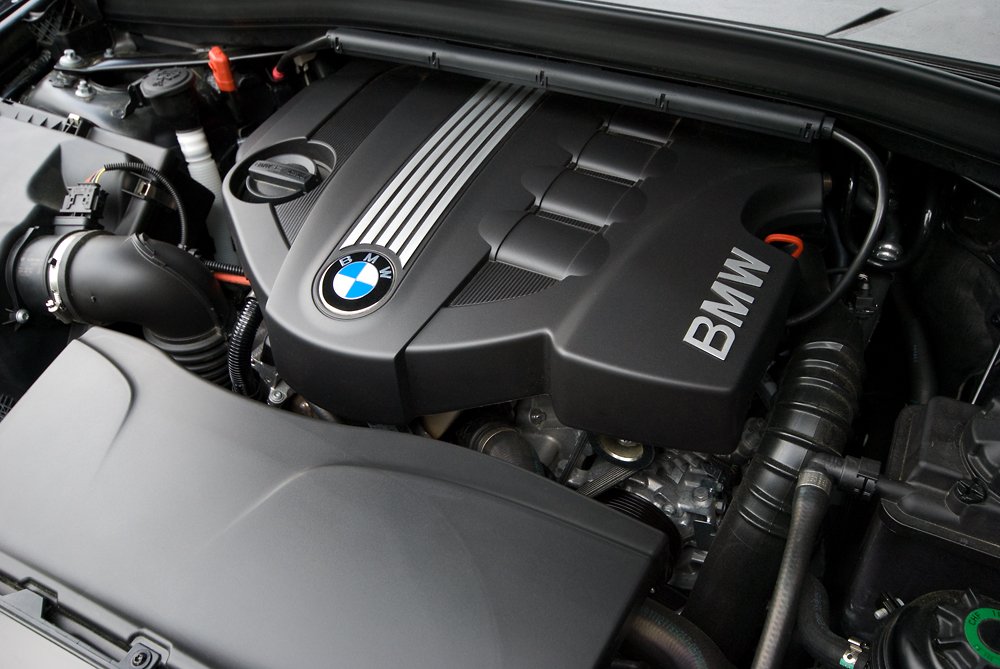
Swirl flaps are small plastic valves located inside the intake manifold of your BMW N47 diesel engine. Their job is to create a swirling motion in the incoming air at low engine speeds, such as when idling or driving slowly in traffic. This swirl helps mix the air and fuel more effectively, leading to better combustion, improved fuel efficiency, and lower emissions – all crucial for meeting strict UK emissions standards.
However, in the BMW N47 engine, these flaps are made from plastic that degrades over time due to repeated heat cycles, carbon deposits from diesel combustion, and general material fatigue. As they wear, the flaps can become loose, crack, or completely break off. Once detached, they pose a serious risk of being sucked into the engine’s cylinders, causing significant damage.
- Enhance low-RPM torque and drivability
- Reduce harmful emissions for better environmental compliance
- Common in many modern diesel engines including the BMW N47

At low revs, swirl flaps partially close to force air through smaller ports, generating turbulence that improves fuel atomisation and combustion efficiency. This is especially noticeable during cold starts or urban driving.
Sign 1: Rough Idling and Engine Vibration
One of the first signs of BMW N47 swirl flap problems is rough idling, where your engine doesn’t run smoothly when stationary. Instead of a steady purr, you’ll notice the revs fluctuating or the whole car shaking, especially at traffic lights or junctions. This happens because loose or partially broken swirl flaps disrupt the smooth airflow into the engine at idle speeds, upsetting the delicate balance needed for stable operation.
Vibrations can transmit through the steering wheel, pedals, and even the seat, making it uncomfortable and alerting you to an issue. Many UK BMW owners report this as the initial symptom, often mistaken for other minor problems until it worsens.
- Engine RPM hunts up and down at idle
- Noticeable shaking in the cabin and chassis
- Worse after cold starts or in stop-start traffic

Don’t dismiss rough idling as normal wear – it could signal impending swirl flap detachment. Get it checked promptly to avoid escalation.
- Observe idle behaviour at next stop
- Note if vibrations worsen over time
Sign 2: Engine Misfires and Fault Codes
Engine misfires are a clear indicator of advancing BMW N47 swirl flap problems. You’ll feel a stuttering or jerking sensation, particularly under acceleration or when climbing hills. This occurs as fragments from degrading flaps interfere with the air-fuel mixture entering the cylinders, causing incomplete combustion in one or more cylinders.
Your dashboard may light up with fault codes, such as P0300 (random misfire) or specific cylinder codes like P0301. These can be read with an OBD scanner, which many garages or even DIY tools can access. UK drivers often share stories of ignoring early misfires, only to face bigger bills later.
- Hesitation or stumbling during acceleration
- Rough running under load
- OBD codes: P0300, P0301-P0304, or intake-related faults
P0300 indicates random/multiple cylinder misfires often linked to swirl flap debris affecting airflow.
- Scan for fault codes with OBD tool
- Monitor for worsening under load
Sign 3: Sudden Loss of Power and Poor Acceleration
A sudden loss of power, often described as the engine going into limp mode, is a serious symptom of BMW N47 swirl flap problems. Your BMW may struggle to accelerate, making motorway merging or overtaking hazardous. This stems from broken flaps blocking or turbulently directing intake air, starving the engine of proper airflow.
This sign indicates more advanced damage, where flap pieces may already be loose or ingested. Safety is paramount here – reduced power can be dangerous on UK roads with high speed limits.
- Feels like turbo failure or limp mode
- Poor throttle response
- Overtaking becomes risky and unpredictable
Sudden power loss while driving can lead to accidents. Pull over safely and seek professional help immediately.
- Test acceleration safely in a low-risk area
- Avoid high-speed driving until diagnosed
Sign 4: Unusual Rattling or Knocking Noises
Listen out for unusual rattling or knocking from the engine bay – a telltale sign of BMW N47 swirl flap problems. Rattling often comes from loose flaps vibrating against the manifold, while deeper knocking suggests debris hitting pistons. These noises typically grow louder under acceleration or at higher revs.
Recording the sound on your phone can help mechanics diagnose quickly. Many N47 owners in the UK forums report this as the precursor to major failure.
- Rattle from intake area at idle/acceleration
- Metallic knocking inside engine
- Noises absent when engine cold
Record noises at different RPMs and conditions to share with your specialist.
- Record engine sounds safely
- Compare to known N47 swirl flap audio online
Sign 5: Persistent Check Engine Light
A persistent check engine light (CEL) is your BMW’s way of flagging BMW N47 swirl flap problems. It triggers due to detected irregularities in intake airflow, actuator failures, or misfires caused by flap issues. Simply resetting the light without addressing the root cause allows damage to progress unseen.
Common codes include those for the swirl flap motor or airflow sensors. In the UK, MOT tests will fail a vehicle with an illuminated CEL, so don’t ignore it.
- CEL stays on even after restart
- Accompanied by reduced performance
- Codes related to intake manifold or misfires
An active check engine light will cause MOT failure. Address promptly to avoid inspection issues.
- Get codes read professionally
- Avoid clearing without diagnosis
The Dangers of Swirl Flap Ingestion in BMW N47 Engines
The real nightmare with BMW N47 swirl flap problems is ingestion, where broken plastic pieces are drawn into the cylinders. This scores the cylinder bores and pistons, leading to loss of compression, excessive oil burning, and blue smoke from the exhaust. Over time, this escalates to catastrophic engine failure.
Ignoring these signs can turn a manageable repair into a full engine rebuild or replacement, costing thousands. Safety risks include sudden breakdowns on busy UK motorways.
- Piston and bore scoring
- Oil consumption and smoke
- Potential for complete seizure
- High repair costs if delayed
If you hear knocking or suffer severe power loss/misfires, stop driving immediately to prevent irreparable ingestion damage.
How to Fix BMW N47 Swirl Flap Problems
Fixing BMW N47 swirl flap problems typically involves removing the intake manifold to inspect and replace or delete the flaps. Many specialists opt for swirl flap removal kits or upgraded metal manifolds to prevent recurrence, often done as part of a full engine reconditioning process.
Professional diagnosis with borescope inspection confirms ingestion damage. UK-wide engine specialists like Apexx Engines offer comprehensive services, restoring your engine to full reliability without the need for a new unit. Turnaround is usually quick, getting you back on the road sooner.
DIY attempts are not recommended, as improper handling can cause further debris ingestion or void warranties.
- Intake manifold removal and inspection
- Swirl flap deletion or upgrade
- Borescope check for internal damage
- Full reconditioning if ingestion occurred
Swirl flap removal eliminates the failure risk while often improving airflow and throttle response.
- Seek specialist diagnosis
- Ask about swirl flap delete options
- Request reconditioning quote
Protect Your BMW Engine Today
BMW N47 swirl flap problems are common but avoidable with early detection. By recognising signs like rough idling, misfires, power loss, noises, and check engine light, you can prevent ingestion damage and save on costly repairs.
Prioritise safety by stopping if symptoms suddenly worsen, and consult a reputable UK engine reconditioning specialist for accurate diagnosis and fixes like swirl flap removal.
Your BMW deserves reliable performance – act now to safeguard its future.
Key points
- Spot BMW N47 swirl flap problems early through rough idling, misfires, power loss, noises, and check engine lights.
- Ingestion risks severe damage like scored pistons – stop driving if symptoms worsen suddenly.
- Professional diagnostics and engine reconditioning restore reliability without new engine costs.
- Swirl flap removal or upgrades prevent recurrence in BMW N47 diesels.
- Contact UK specialists for fast, expert service on your 1, 3, or 5 Series.
Frequently asked questions
What are the main signs of BMW N47 swirl flap problems?
The key signs include rough idling and engine vibration, misfires with fault codes, sudden loss of power, unusual rattling or knocking noises, and a persistent check engine light. These symptoms indicate degrading plastic swirl flaps in the intake manifold that can break off and cause serious engine damage if ignored.
Is it safe to drive my BMW with suspected swirl flap issues?
It depends on the severity, but if you notice sudden power loss, severe misfires, or knocking noises, stop driving immediately as these suggest possible ingestion of flap fragments into the cylinders, risking catastrophic damage. For milder symptoms like rough idling, get it checked promptly by a professional to avoid escalation.
How do you fix BMW N47 swirl flap problems?
Repairs usually involve removing the intake manifold to inspect the flaps, then either replacing them, deleting them with a kit, or upgrading to a more durable manifold. If damage has occurred, engine reconditioning may be needed. Always use a specialist for accurate diagnosis and to prevent further issues.
Will removing swirl flaps affect my car’s performance or MOT?
Swirl flap removal often improves airflow and throttle response without harming performance, and it eliminates the risk of failure. It shouldn’t affect your MOT as long as emissions remain within limits, but confirm with a specialist who can ensure compliance with UK standards.
How long does it take to repair BMW N47 swirl flap problems?
Repair time varies based on the extent of damage and workshop workload, but intake manifold work and swirl flap deletion typically take a few days. Full engine reconditioning might take longer, usually one to two weeks, depending on parts availability and inspection findings.
Spot These Signs in Your BMW N47?
Don’t wait for engine failure – contact Apexx Engines today for expert diagnostics, swirl flap repairs, or reconditioning tailored to your 1, 3, or 5 Series. Get back on UK roads safely and reliably.
This article is for general information only and is not a substitute for a professional mechanical inspection or diagnosis. Always consult a qualified technician and obtain a proper assessment before making repair decisions.
Recent Posts