4 Signs of Vauxhall CDTI Swirl Flap Problems You Can’t Ignore
Is your Vauxhall CDTI diesel engine misfiring or losing power? Vauxhall CDTI swirl flap problems could be turning your reliable motor into a ticking time bomb.
Understanding Vauxhall CDTI Swirl Flap Problems
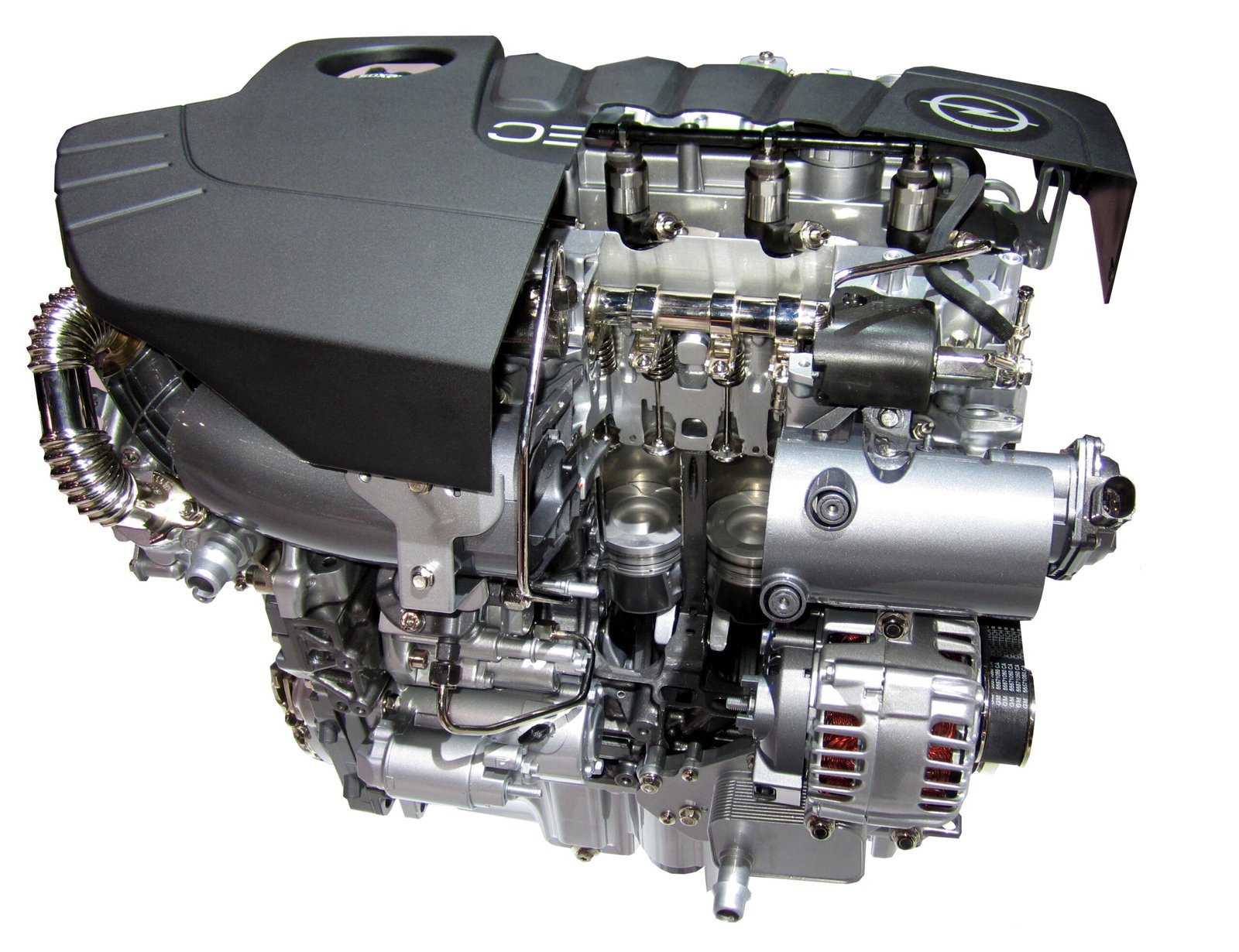
Vauxhall CDTI swirl flap problems are increasingly common in 1.9 and 2.0 CDTI diesel engines powering popular models like the Astra, Zafira, Vectra, and Insignia. These small plastic flaps, situated in the inlet manifold, are designed to control airflow and create a swirling motion for better combustion at low engine speeds.
However, due to heat, carbon buildup, and age, they degrade and can break apart, with fragments entering the cylinders. This leads to misfires, power loss, rough running, and potentially severe engine damage – a major concern for UK drivers with high-mileage vehicles.
Spotting these four unmissable signs early allows for timely intervention, preventing costly repairs or engine replacement. This guide covers the symptoms, risks, and professional solutions to keep your Vauxhall running smoothly.
What Are Swirl Flaps and Why Do They Fail?
Swirl flaps are integral components in the inlet manifold of Vauxhall CDTI diesel engines, such as those found in the 1.9 and 2.0 CDTI variants powering the Astra, Zafira, and Vectra. Their purpose is to generate turbulence in the incoming air at low RPMs, which enhances the mixing of air and fuel. This improves combustion efficiency, reduces emissions to meet Euro standards, and provides better low-speed torque for everyday driving.
These flaps are typically made from plastic for lightweight design and are controlled by an electric actuator linked to the engine’s ECU. Over time, however, they face harsh conditions: extreme heat from exhaust gases, oily residues, and carbon deposits from incomplete combustion. In high-mileage vehicles, especially those with irregular servicing, the plastic warps, cracks, or becomes brittle.
When failure occurs, the flaps can detach entirely or shed pieces, which are then ingested into the engine. This ingestion disrupts normal operation and sets off a chain of mechanical issues.
Common failure triggers include prolonged exposure to high temperatures causing material degradation, soot accumulation jamming the mechanism, and actuator motor faults from electrical issues.
- Heat cycles make the plastic brittle and prone to cracking.
- Carbon buildup from neglected DPF or EGR maintenance sticks flaps in place.
- High mileage (over 100,000 miles) accelerates wear.
- Poor oil quality or infrequent changes exacerbate soot formation.
Swirl flaps were a common feature in Euro 4 and 5 diesel engines but have been phased out in newer models due to reliability concerns.
Sign 1: Persistent Engine Misfires
One of the most alarming signs of Vauxhall CDTI swirl flap problems is persistent engine misfires. This occurs when broken flap fragments interfere with the intake valves, pistons, or combustion chamber, preventing proper fuel ignition. You’ll feel it as a distinct shaking or stumbling sensation, particularly during acceleration or under load.
Misfires often produce a strong petrol-like smell from unburnt diesel fuel escaping through the exhaust. The engine management light may flash, indicating a severe misfire condition that could damage the catalytic converter if ignored. In Vauxhall CDTI engines, this symptom frequently triggers OBD codes in the P0300 series, such as P0301 for cylinder 1.
Early detection is crucial because continued driving amplifies damage from ingested debris.
- Shaking or jerking during acceleration.
- Irregular engine rhythm, like a cough or stutter.
- Petrol-like exhaust odour.
- Flashing check engine light.
A flashing engine light means stop driving immediately to prevent catalytic converter damage.
Sign 2: Rough Idle and Engine Hesitation
Rough idling is another clear indicator of Vauxhall CDTI swirl flap problems. At traffic lights or in neutral, the engine may vibrate excessively, surge, or hunt for revs as flap debris disrupts steady airflow. This instability can lead to stalling, especially when cold starting.
Engine hesitation manifests as a delay or lurch when pressing the accelerator, common on roundabouts or junctions. Degraded flaps alter the air intake dynamics, confusing the ECU’s fuel mapping. This symptom typically intensifies as the engine warms up, signalling advanced flap wear.
Drivers often mistake this for fuel system issues, but in CDTI engines, it’s a hallmark of swirl flap failure.
- Excessive vibrations at idle.
- Surging RPMs without throttle input.
- Stalling risk at stops.
- Delayed response to accelerator.
Sign 3: Noticeable Loss of Power
A noticeable loss of power is a frustrating symptom of Vauxhall CDTI swirl flap problems, making overtaking or hill climbs feel laborious. Restricted or turbulent airflow from damaged flaps reduces the engine’s ability to build boost from the turbocharger, mimicking a failing turbo.
You’ll experience sluggish acceleration, lower top speeds, and poor mid-range pull. Fuel consumption rises as the ECU compensates by injecting more diesel. In models like the Astra or Zafira CDTI, this often coincides with black smoke from the exhaust under load.
This sign indicates significant debris ingestion, compromising overall engine efficiency.
- Sluggish 0-60 times.
- Struggle on inclines or when laden.
- Lack of turbo ‘whoosh’ feeling.
- Higher fuel use without explanation.
Power loss on motorways can be dangerous – get checked urgently.
Sign 4: Persistent Check Engine Light
A persistent check engine light is a definitive warning of Vauxhall CDTI swirl flap problems. The ECU detects irregularities in airflow or actuator position, illuminating the dashboard light. Common codes include P20E8 (swirl flap control circuit), P1135 (air intake fault), or P0300 series for misfires.
Even if the light is steady rather than flashing, it warrants investigation. Accompanying symptoms like unusual rattling noises from the inlet or blue smoke suggest flap fragments. Ignoring this allows progressive damage to escalate.
A professional OBD scan reveals the exact codes, pinpointing swirl flaps in most CDTI cases.
- Steady or flashing MIL (Malfunction Indicator Lamp).
- Codes: P20E8, P1135, P0300-P0304.
- Rattling from inlet manifold.
- Possible smoke from exhaust.
What are the main signs of Vauxhall CDTI swirl flap problems?
The key signs include persistent engine misfires, rough idle and hesitation, noticeable loss of power, and a persistent check engine light. These symptoms arise when broken flap fragments disrupt airflow and combustion in 1.9 and 2.0 CDTI engines found in models like the Astra, Zafira, and Vectra.
Is it safe to keep driving with suspected swirl flap issues?
No, it’s not safe to continue driving if you notice severe misfires, significant power loss, unusual noises, or a flashing check engine light, as this risks catastrophic engine damage and potential stranding. Stop driving immediately and seek professional diagnostics to assess the extent of any debris ingestion.
What are the risks of ignoring Vauxhall CDTI swirl flap problems?
Ignoring these issues can lead to broken flap fragments scoring pistons, cylinder walls, and valves, resulting in oil consumption, compression loss, overheating, and eventual engine seizure. This escalates repair costs dramatically and poses safety risks like sudden power failure on UK roads.
How much does it cost to fix swirl flap problems?
Costs vary depending on the damage extent, model, mileage, and whether it’s a simple manifold replacement or full engine reconditioning. Factors like labour, parts, and any cylinder repairs influence the price, but professional assessment provides an accurate quote tailored to your vehicle.
Can swirl flaps be removed as a fix, and how long does repair take?
Removing or blanking swirl flaps is a common fix for undamaged engines, allowing reliable operation without them. Full repairs for ingestion damage may involve reconditioning and take from a few days to a couple of weeks, depending on workshop workload and parts availability; always consult specialists for the best approach.
The Serious Risks of Ignoring Swirl Flap Problems
Ignoring Vauxhall CDTI swirl flap problems can lead to devastating engine damage. Broken plastic fragments are sucked into the cylinders, scoring piston crowns, cylinder walls, and valves. This causes excessive oil consumption, blow-by gases, and rapid wear.
In advanced stages, scored bores lead to compression loss, overheating, and eventual seizure. Repair costs skyrocket from inlet manifold replacement to full engine rebuild or replacement. Safety risks include sudden power failure on busy roads.
High-mileage CDTI engines are notorious for this; early action preserves value and safety.
- Piston and bore scoring from debris.
- Oil burning and blue smoke.
- Engine seizure risk.
- Expensive rebuilds (£2,000+).
Stop driving if experiencing severe misfires, noises, or power loss to avoid catastrophic failure and roadside stranding.
How to Diagnose and Fix Vauxhall CDTI Swirl Flap Problems
Diagnosing Vauxhall CDTI swirl flap problems starts with an OBD-II scan to retrieve fault codes. Visual inspection of the inlet manifold may reveal missing flaps or debris, but a borescope examination confirms cylinder damage without full teardown.
Repairs vary: simple flap removal kits blank off the ports for newer-style running, but if ingestion has occurred, full manifold replacement or engine reconditioning is needed. Specialists strip the head, hone bores, and replace affected parts for like-new performance.
UK workshops like Apexx Engines use OEM-equivalent parts and dyno testing for reliability. Factors affecting cost include mileage, damage extent, and model.
Prevention involves regular servicing, quality oils, and DPF/EGR maintenance.
- OBD scan for codes.
- Borescope for internal check.
- Flap deletion or manifold replacement.
- Full recondition for damaged engines.
Engine reconditioning often costs less than a new unit and restores full power.
Take Control of Your Vauxhall’s Health Today
Vauxhall CDTI swirl flap problems present clear signs like misfires, rough idle, power loss, and check engine lights. Addressing them promptly prevents ingestion damage and ensures your Astra, Zafira, or Vectra remains safe and reliable.
Professional diagnostics via OBD and borescope are essential for accurate assessment. Opt for reputable specialists experienced in CDTI engines to avoid temporary fixes that fail later.
Don’t risk further damage – arrange a check today and drive with confidence knowing your engine is protected.
Early intervention saves money, enhances safety, and extends your vehicle’s life significantly.
Key points
- Vauxhall CDTI swirl flap problems manifest as persistent misfires, rough idle, power loss, and check engine lights – don’t ignore them.
- Failure can cause swirl flap ingestion, leading to cylinder scoring and potential engine destruction if untreated.
- Seek expert diagnostics straight away to mitigate safety risks and escalating repair costs.
- Engine reconditioning by professionals restores performance effectively for high-mileage diesels.
- Consistent maintenance and vigilance keep your Vauxhall Astra, Zafira, or Vectra on the road longer.
Worried About Your Vauxhall CDTI Swirl Flaps?
Spot any of these signs? Don’t delay – get a professional diagnosis to prevent costly engine damage. Apexx Engines offers expert checks and reconditioning quotes for your Astra, Zafira, or Vectra.
This article is for general information only and is not a substitute for a professional mechanical inspection or diagnosis. Always consult a qualified technician and obtain a proper assessment before making repair decisions.
Recent Posts