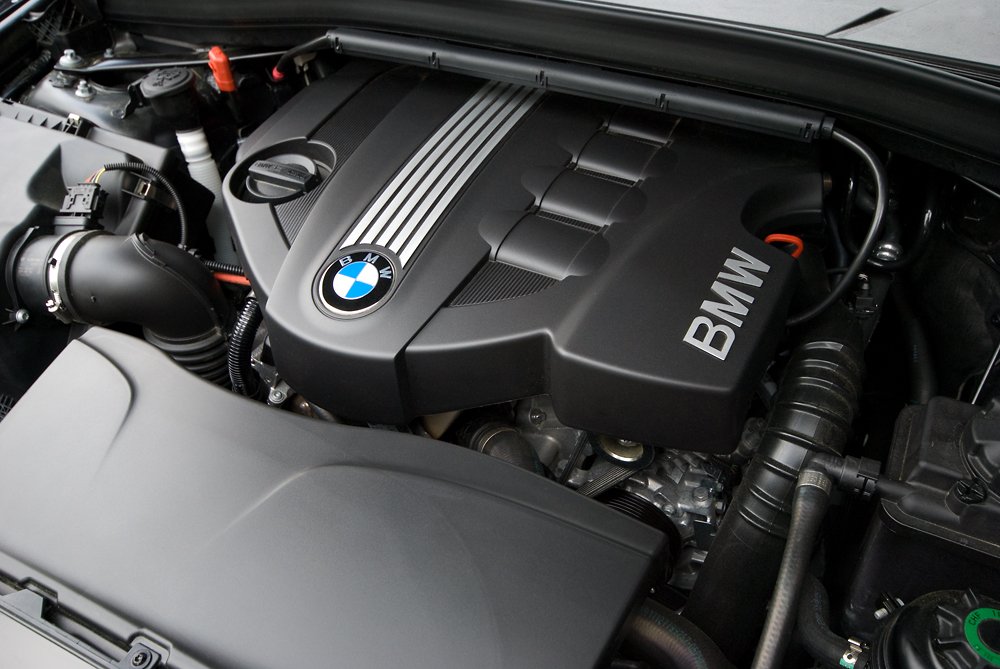
Why BMW N47 Timing Chain Problems Demand Your Immediate Attention
That chilling chainsaw-like rattle from your BMW diesel on a cold UK morning could signal the start of BMW N47 timing chain problems leading to total engine destruction.
Why BMW N47 Timing Chain Problems Demand Your Immediate Attention
BMI N47 timing chain problems have affected thousands of UK owners of 1, 3, and 5 Series diesel models produced between 2007 and 2014. These issues often stem from faulty plastic guides and tensioners that wear prematurely.
Spotting the early signs of BMW N47 timing chain problems is crucial to prevent catastrophic engine failure, which could leave you facing exorbitant repair bills. In this guide, we outline the three unmissable signs you cannot ignore, along with expert insights on causes, risks, and solutions.
Because the timing chain is mounted at the rear of the engine, DIY inspections or fixes are impractical and risky. Professional diagnosis and reconditioning by specialists familiar with the N47 engine are essential for restoring reliability and safety.
Why the BMW N47 Timing Chain is Prone to Failure
The BMW N47 diesel engine, found in popular models like the 1 Series, 3 Series, and 5 Series from 2007 to 2014, features a timing chain mounted at the rear of the engine block. This location, while space-efficient, makes access for maintenance or inspection extremely challenging without removing the engine.
The primary culprits behind BMW N47 timing chain problems are the plastic chain guides and hydraulic tensioners. These plastic components degrade over time, especially during cold starts when oil pressure is low, leading to ‘oil starvation’. The guides crack and shed particles, which contaminate the oil and accelerate wear on the chain and sprockets.
BMW issued recalls and extended warranties for some N47 engines due to these widespread issues, but many UK vehicles have surpassed the coverage period. With typical mileage exceeding 80,000 miles, chain stretch becomes inevitable, exacerbated by the UK’s damp climate and stop-start urban driving, which promotes sludge buildup in the oil.
Unlike timing belts that require scheduled replacement, chains were marketed as ‘lifetime’ components, but real-world experience shows otherwise. Understanding these predictable failure modes empowers owners to act before minor wear escalates.
- Rear-mounted chain design complicates repairs.
- Plastic guides vulnerable to cold-start oil starvation.
- Hydraulic tensioners fail under prolonged stress.
- High mileage (80,000+ miles) triggers chain elongation.

Most N47 timing chain failures occur after 80,000-100,000 miles. Track your odometer and service history closely.
Sign 1: The Infamous Cold Start Rattle
The hallmark of emerging BMW N47 timing chain problems is the dreaded cold start rattle—a loud, metallic clattering noise lasting 1-3 seconds when you first turn the key on a chilly morning.
This sound, often likened to a ‘chainsaw’ or ‘diesel knock’, emanates from the rear of the engine as the plastic guides collapse momentarily before oil pressure builds sufficiently to tension the chain. It’s distinct from normal injector rattle or exhaust clatter because it originates deeper within the engine bay.
If ignored, this initial warning progresses to more persistent noises. Many UK BMW owners report hearing it first on frosty winter starts, a clue that cold-thickened oil delays lubrication to the critical chain area.
Record the noise on your phone during a cold start and play it for a mechanic—it’s invaluable for diagnosis without needing an immediate engine pull.
- Loud metallic rattle for 1-3 seconds on cold starts only.
- Sounds like chainsaw or bag of spanners shaking.
- Disappears once engine warms up.
- Worsens in cold UK weather.

Don’t dismiss this as ‘normal diesel noise’—it’s the first sign of guide wear that can lead to chain failure.
- Listen carefully on next cold start.
- Compare to videos of N47 rattles online.
- Note frequency and duration.
Sign 2: Persistent Rattling at Idle or Under Load
Once BMW N47 timing chain problems advance beyond cold starts, you’ll notice rattling that persists at warm idle or intensifies under load, such as during acceleration or climbing hills.
This evolution indicates fragmented guide material circulating in the oil or a failing tensioner unable to maintain proper chain slack. The noise may change pitch, becoming more of a ‘marble in a tin can’ rattle, especially on overrun or deceleration.
Oil analysis might reveal plastic debris, confirming wear. In UK traffic with frequent stop-start, this symptom signals the chain is elongating, misaligning camshaft and crankshaft timing.
Prompt diagnosis at this stage can prevent escalation—delaying risks sudden snaps during motorway driving.
- Rattle continues after warm-up.
- Louder on acceleration or idle.
- Worsens on downhill overrun.
- May accompany oil discolouration.
Persistent rattle means wear is severe—seek professional inspection without delay to avoid roadside breakdowns.
Sign 3: Check Engine Light and Performance Loss
In later stages of BMW N47 timing chain problems, the check engine light (CEL) illuminates, often with fault codes like P0011 or P0012 indicating camshaft-crankshaft correlation errors from chain stretch.
Accompanying symptoms include rough idling, misfires, hesitation under acceleration, and reduced power—your BMW feels sluggish, with poorer fuel economy as valve timing slips.
Internally, the stretched chain allows valves to open slightly out of sync, risking contact with pistons if it jumps teeth. OBD scanners confirm these codes, but visual inspection requires engine removal.
At this point, drivability suffers, and safety is compromised—pull over safely if lights appear.
- CEL with P0011/P0012 codes.
- Rough idle and misfires.
- Power loss and poor economy.
- Limp mode activation possible.
P0011/P0012: Cam-crank timing misalignment. P0016: Crankshaft position error.
- Scan for codes with OBD tool.
- Monitor power delivery.
- Avoid hard acceleration.
The Risks of Ignoring BMW N47 Timing Chain Problems
Ignoring BMW N47 timing chain problems can lead to chain snap, causing valves to collide with pistons, bending valves, damaging cylinder heads, and potentially ruining the block—total engine failure.
Sudden failure often occurs without warning during highway speeds, stranding you and posing safety risks from loss of power. Repair costs escalate from £2,000 for early reconditioning to £5,000+ for full replacement.
Insurance may not cover if deemed poor maintenance, and resale value plummets with known N47 issues. The UK’s MOT standards demand reliable engines, complicating inspections post-failure.
Catastrophic damage isn’t just costly—it’s preventable with early intervention.
- Bent valves and piston damage.
- Full engine rebuild or replacement (£5,000+).
- Sudden failure on motorways.
- Insurance claim denials possible.
If you hear persistent rattling or see CEL, do not drive—risk of engine destruction is imminent, endangering you and others.
Diagnosing and Fixing BMW N47 Timing Chain Issues
Diagnosing BMW N47 timing chain problems requires engine removal due to the rear position—specialists use borescopes initially, but confirmation needs full teardown.
Reputable UK workshops like Apexx Engines replace the chain, guides, and tensioners with upgraded metal-reinforced parts, often reconditioning the full engine for comprehensive reliability.
Turnaround is typically 2-3 days, with costs depending on damage extent and extras like head skimming. Patch fixes risk recurrence; full reconditioning addresses oil pump and cam wear too.
Choose specialists with N47 experience—look for BMW warranties, customer reviews, and transparent processes to ensure your investment lasts 100,000+ miles.
- Engine-out inspection mandatory.
- Upgrade to reinforced guides/tensioners.
- Consider full recondition for best results.
- Factors: mileage, oil condition, extras.
Diagnosis: 1 day. Recondition: 2-3 days total. Upgraded parts included.
- Find N47 specialist near you.
- Request chain and guide inspection.
- Ask about upgraded parts.
- Get a detailed quote.
Protect Your BMW from N47 Timing Chain Failure
BMI N47 timing chain problems are a known issue, but recognising signs like cold start rattles, persistent noise, and check engine lights allows you to act before disaster strikes.
Professional reconditioning by experienced UK engineers restores your engine’s performance and safety, often at a fraction of replacement cost. Don’t risk it—get a specialist diagnosis today.
With proactive maintenance and timely repairs, your BMW can continue delivering reliable service on UK roads for years to come.
Key points
- BMW N47 timing chain problems typically begin with cold start rattles from worn plastic guides—don’t dismiss it.
- Persistent noise or check engine lights signal advancing failure; stop driving to prevent engine destruction.
- Early professional reconditioning by UK experts like Apexx Engines restores reliability and avoids higher costs.
- Regular oil changes with quality synthetic help, but can’t fix inherent design flaws.
- Act now on these signs for peace of mind on UK roads.
- Track mileage over 80,000 and listen for changes.
- blog_body_html
Frequently asked questions
What are the main signs of BMW N47 timing chain problems?
The primary signs include a loud metallic rattle on cold starts lasting 1-3 seconds, persistent rattling at idle or under load once the engine is warm, and check engine light activation with codes like P0011 or P0012, often accompanied by power loss or rough idling. These symptoms indicate wear on plastic guides and chain stretch, common in UK 1, 3, and 5 Series diesels over 80,000 miles.
Is it safe to keep driving with a cold start rattle in my BMW N47?
No, it’s not safe to ignore a cold start rattle as it signals early wear on the timing chain guides, which can progress to chain failure and catastrophic engine damage. Stop driving if the noise persists or worsens, especially with warning lights, and seek professional diagnosis immediately to avoid risks on UK roads.
How long does it take to fix BMW N47 timing chain problems?
Repairing BMW N47 timing chain issues typically takes 2-3 days at a specialist workshop, including engine removal, inspection, replacement of the chain, guides, and tensioners with upgraded parts, and reassembly. Timings can vary based on the extent of damage and workshop workload, so contact a professional for an accurate estimate.
Is reconditioning better than replacing the entire BMW N47 engine?
Reconditioning is often more cost-effective than a full engine replacement for BMW N47 timing chain problems, as it addresses the specific issues like worn guides and chain while restoring overall engine health. Costs depend on damage level, parts, and labour, but it can save thousands compared to new engines, with specialists offering warranties for reliability.
Will a reconditioned N47 engine last as long as a new one?
A professionally reconditioned BMW N47 engine, with upgraded metal-reinforced guides and tensioners, can last over 100,000 miles or more with proper maintenance like regular oil changes using quality synthetic oil. While not identical to factory new, it restores reliability when done by experienced UK engineers familiar with N47 flaws.
Hear a Rattle in Your BMW N47?
Don’t risk engine failure—get a professional diagnosis from Apexx Engines specialists. We’ll provide a tailored quote for reconditioning to restore your engine’s reliability safely.
This article is for general information only and is not a substitute for a professional mechanical inspection or diagnosis. Always consult a qualified technician and obtain a proper assessment before making repair decisions.
Recent Posts