4 Signs Your Audi A3 2.0 TFSI Has Carbon Build-Up (And How to Clean It)
Struggling with rough idling, misfires, or sluggish acceleration in your Audi A3? Audi A3 2.0 TFSI carbon build-up is likely the silent performance thief affecting your direct injection engine.
Understanding Audi A3 2.0 TFSI Carbon Build-Up
Audi A3 2.0 TFSI carbon build-up is a common issue for UK owners of these popular direct injection engines, leading to frustrating symptoms like rough running and power loss.
Unlike port-injected engines, TFSI designs leave intake valves exposed to oil vapours and residues, causing hard carbon deposits over time—especially after 50,000 miles.
In this guide, discover the 4 telltale signs, safe diagnosis, effective cleaning methods like walnut blasting, and why professional reconditioning restores your A3 to peak performance.
What Causes Audi A3 2.0 TFSI Carbon Build-Up?
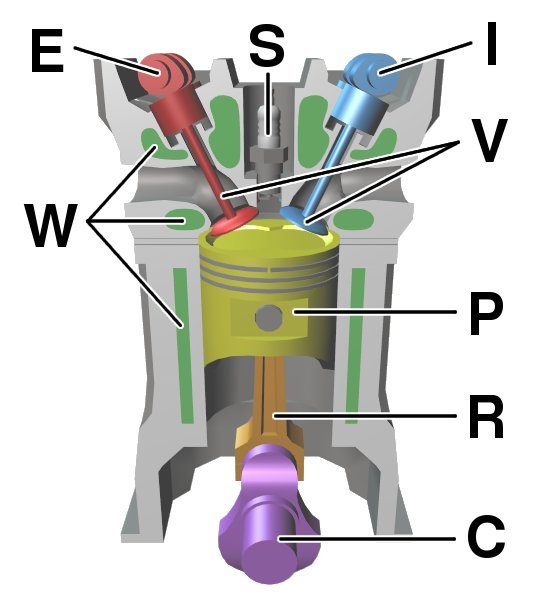
The Audi A3 2.0 TFSI engine employs direct injection technology, where fuel is sprayed directly into the combustion chamber rather than mixing with air in the intake manifold. This innovative design boosts efficiency and power but has a downside: the intake valves do not benefit from the cleaning action of liquid petrol that occurs in traditional port injection systems.
As a result, intake valves are exposed to oil vapours from the positive crankcase ventilation (PCV) system, combustion byproducts, and unburnt fuel residues. Over time, these substances bake onto the valve surfaces under high engine temperatures, forming a hard, black layer of carbon deposits. This build-up is particularly prevalent in TFSI engines after around 50,000 to 80,000 miles.
Several factors accelerate this process in UK driving conditions. Frequent short trips prevent the engine from reaching optimal operating temperatures, allowing moisture and residues to accumulate. Low-quality or inconsistent fuel supplies can contribute to incomplete combustion, while stop-start urban driving—common in cities like London or Manchester—exacerbates the issue. Even standard oil consumption from the PCV adds to the oily film that turns into carbon.
- Direct fuel injection bypasses valves, leaving them uncleaned
- PCV blow-by introduces oil vapours onto valves
- Short trips and cold starts common in UK hinder complete burn-off
- High mileage and urban driving speed up deposit formation
Sign 1: Rough Idle
One of the earliest indicators of Audi A3 2.0 TFSI carbon build-up is a rough idle. At traffic lights or in stationary positions, you might notice the engine trembling or shaking more than usual. The rev counter may fluctuate erratically between 500 and 900 RPM, a phenomenon known as ‘hunting’, as the engine control unit (ECU) struggles to maintain a stable idle speed.
This roughness stems from uneven airflow into the cylinders due to carbon-clogged intake valves. Some cylinders receive less air, disrupting the precise air-fuel mixture required for smooth operation. Drivers often feel these vibrations through the steering wheel, pedals, or even the entire car body, making the experience uncomfortable and concerning.
Ignoring this sign can lead to worsening performance and more serious problems. Early intervention with a diagnostic scan can confirm if carbon deposits are the culprit, preventing escalation to misfires or power loss.
- Engine shakes or vibrates at idle
- RPM fluctuates (hunting)
- Vibrations felt in steering wheel or seat
- Worsens on cold starts

A rough idle may seem minor, but it signals airflow disruption that can progress to misfires and engine damage if untreated. Monitor closely and seek diagnosis promptly.
Sign 2: Engine Misfires
Engine misfires are a more advanced symptom of Audi A3 2.0 TFSI carbon build-up, often appearing after prolonged neglect of rough idling. You may experience sudden jerks or hesitations during acceleration, especially under load like overtaking on the motorway. Unusual popping or sputtering sounds from the exhaust can also occur, particularly noticeable during gear changes.
These misfires happen because carbon deposits severely restrict airflow to one or more cylinders, causing a lean air-fuel mixture. The ECU detects this via oxygen sensors and may log fault codes such as P0300 (random misfire) or P0301-P0304 (specific cylinder). A flashing check engine light is a critical warning sign indicating active misfires that could damage the catalytic converter.
Driving with misfires risks further harm, including burnt valves or piston damage from overheating. If the check engine light flashes, pull over safely and avoid further driving until inspected.
- Jerks or hesitation on acceleration
- Popping sounds from exhaust
- Check engine light (solid or flashing)
- Common codes: P0300-P0304
Flashing check engine light means active misfires—stop immediately to prevent catalytic converter damage and potential engine failure.
Sign 3: Reduced Engine Power
A noticeable drop in engine power is another hallmark of significant Audi A3 2.0 TFSI carbon build-up. Your once-responsive A3 may feel sluggish, struggling to overtake on A-roads or merge onto motorways. The torque curve flattens, with acceleration from 0-60 taking noticeably longer, and you might enter ‘limp mode’ where the ECU limits revs to around 3,000-4,000 RPM to protect the engine.
This power loss results from reduced airflow through the carbon-encrusted valves, effectively choking the engine’s breathing. Owners report a 20-30% reduction in performance, making everyday driving less enjoyable and potentially unsafe in situations requiring quick response, such as roundabouts or dual carriageways.
Progressive worsening means addressing it sooner restores full power safely. Professional cleaning can bring back the smooth, potent drive your A3 was designed for.
- Sluggish acceleration and overtaking
- Flat power delivery
- Limp mode activation (limited revs)
- Felt most on highways and hills
Reduced power compromises overtaking safety—have it checked before highway driving to avoid accidents.
Sign 4: Poor Fuel Economy and Check Engine Light
As carbon build-up in your Audi A3 2.0 TFSI worsens, fuel economy plummets, and the check engine light (CEL) illuminates steadily. Previously respectable MPG figures might drop by 15-25%, with the trip computer showing higher consumption even on familiar routes. This occurs because the ECU compensates for lean conditions by enriching the fuel mixture, wasting petrol.
Common diagnostic codes include P0171 or P0174 (system too lean bank 1 or 2), triggered by oxygen sensor readings affected by poor combustion from restricted air intake. The persistent CEL serves as a dashboard reminder that something needs attention, often accompanied by increased emissions detectable at MOT tests.
Poor economy not only hits your wallet but signals broader efficiency loss. Cleaning the valves typically restores MPG and extinguishes the light reliably.
- MPG drops 15-25%
- Steady check engine light
- Lean codes: P0171/P0174
- Higher emissions at MOT

Tracking MPG weekly can spot carbon issues early—sudden drops warrant a scan.
How to Clean Audi A3 2.0 TFSI Carbon Build-Up
Cleaning Audi A3 2.0 TFSI carbon build-up requires careful diagnosis and proven methods. Begin with an OBD-II scan to read fault codes and monitor live data for misfire counts or lean conditions. A borescope inspection via the throttle body or spark plug holes visually confirms thick black deposits on the intake valves—a definitive sign.
The most effective cleaning technique is walnut blasting, where finely ground walnut shells are blasted onto the valves using compressed air. This gentle abrasive removes carbon without scratching delicate surfaces, unlike harsher chemical dips or hydrogen carbon cleaning, which often fail to reach all areas or provide lasting results.
Post-cleaning, the engine undergoes testing for smooth idle, power restoration, and code clearance. Professionals ensure manifolds are reassembled correctly to prevent leaks. While DIY kits exist, they risk incomplete cleaning and damage—entrust to experts for best outcomes.
Walnut shells are biodegradable, non-sparking, and precisely remove deposits without metal abrasion, ideal for TFSI valves.
Amateur cleaning can scratch valves or leave residue, leading to repeat issues or warranty voids. Always use professionals.
- Perform OBD scan for codes
- Inspect with borescope
- Walnut blast valves (professional recommended)
- Test idle, power, and emissions post-clean
- Clear codes and road test
Why Choose Professional Reconditioning for Your Audi A3
Opting for professional reconditioning of your Audi A3 2.0 TFSI ensures thorough carbon removal and engine optimisation. Specialists utilise advanced tools, including cylinder head removal for complete valve access, guaranteeing 100% cleaning without shortcuts. This contrasts with partial manifold-off methods that miss hidden deposits.
Benefits extend beyond cleaning: expect restored power, improved MPG, smoother idle, and extended engine life. Many services include complementary inspections of valve seats, seals, and timing components, preventing future failures. Warranties provide peace of mind, covering workmanship for thousands of miles.
For UK Audi owners, firms like Apexx Engines offer nationwide collection and delivery, minimising disruption. Investing in pros saves time, avoids repeat visits, and delivers factory-fresh performance economically.
- Full cylinder head access for complete cleaning
- Performance and efficiency gains
- Comprehensive inspections included
- Warranties and UK-wide service
- Cost-effective long-term solution
Revive Your Audi A3: Next Steps for Carbon Cleaning
If your Audi A3 2.0 TFSI shows any of these four signs—rough idle, misfires, power loss, or poor fuel economy—carbon build-up is likely robbing your engine of performance. Acting promptly prevents costlier repairs like catalytic converter replacement or engine overhaul.
Professional walnut blasting and reconditioning restore smooth operation, power, and efficiency safely. Avoid DIY pitfalls and contact UK specialists today for a no-obligation assessment.
Revive your A3 and enjoy the refined drive it was built for. Reach out to Apexx Engines for expert TFSI carbon cleaning tailored to your needs.
Key points
- Audi A3 2.0 TFSI carbon build-up causes rough idle, misfires, power loss, and CEL—check for these 4 signs early.
- Walnut blasting is the gold standard for cleaning intake valve deposits safely and effectively.
- DIY cleaning risks engine damage; professional reconditioning restores full power and efficiency.
- Untreated build-up leads to catalytic failure and costly repairs—act promptly for safety.
- Contact UK experts like Apexx Engines for reliable TFSI carbon cleaning and reconditioning.
Frequently asked questions
What are the four main signs of carbon build-up in my Audi A3 2.0 TFSI?
The four key signs are rough idle with engine shaking, misfires causing jerks on acceleration, reduced engine power making overtaking sluggish, and poor fuel economy with a steady check engine light. These symptoms worsen over time if ignored, leading to potential catalytic converter damage. Spot them early to avoid costly repairs.
Why does carbon build-up occur in Audi A3 2.0 TFSI engines?
Direct injection technology sprays fuel directly into cylinders, bypassing intake valves and leaving them exposed to oil vapours from the PCV system. UK driving like short trips and urban stop-start accelerates deposits after around 50,000 miles. This is a common issue in TFSI engines without the cleaning effect of port injection.
What is the best way to clean carbon from Audi A3 2.0 TFSI valves?
Walnut blasting is the most effective method, using biodegradable walnut shells blasted onto valves to remove deposits without damage. Professionals perform it after diagnosis with OBD scans and borescopes. It restores smooth idle, power, and efficiency reliably.
Is it safe to drive my Audi A3 with carbon build-up symptoms?
Mild rough idle is okay short-term, but stop immediately if the check engine light flashes or there’s severe power loss to prevent engine or catalytic damage. Continuing risks safety on UK roads and expensive fixes. Get a professional check promptly.
Can I clean the carbon build-up myself on my Audi A3?
DIY cleaning is not recommended as it often leaves residue or scratches valves, leading to repeat problems. Specialist tools and experience are needed for thorough results. Professionals like Apexx Engines offer safe walnut blasting with warranties.
Revive Your Audi A3 2.0 TFSI Today!
Don’t let carbon build-up rob your engine’s performance. Contact Apexx Engines for expert diagnosis, walnut blasting, and reconditioning to restore power, smoothness, and efficiency.
This article is for general information only and is not a substitute for a professional mechanical inspection or diagnosis. Always consult a qualified technician and obtain a proper assessment before making repair decisions.
Recent Posts